
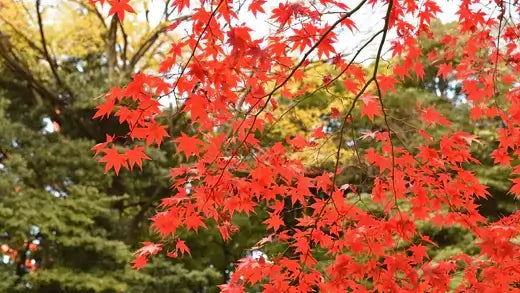
The Scarlet Red Maple Tree: Its Beauty Is Fiery
The Scarlet Red Maple tree is known as Acer rubrum and is a marvel of nature. This magnificent Red Maple tree leaf-shedding tree is a winter, summer, spring, and fall delight. In every spring and summer, it is home to beautiful and lush foliage. In the fall it is covered with beautiful crimson leaves, and in the winter it is a sculptural wonder of nature. This guide will explore the Scarlet Red Maple's tree's defined and beautiful characteristics and looks, uses, habitats, and how to grow and take care of them.
The Scarlet Red Maple Tree Characteristics
The Scarlet quick factsRed Maple tree has a fall foliage that glows like a flame in the fall. This tree belongs to the family Aceraceae and is a native to eastern North America. It is a medium to large tree and grows to about 40 to 60 feet in height, though it can get even taller if the conditions are good. It is rounded and symmetrical with a thick and full lushed branch that creates a canopy.
There are between three and five somewhat pointed lobes in each leaf. They are shaped like traditional maple leaves and are palmately lobed. They turn a dark green color in the spring and summer before becoming the intensely brilliant red of autumn. The red color comes from anthocyanins chlorophyll and the warm weathered leaves the tree grows in winter. It gets the warm vibrant coloring during autumn after holding the green leaves over for a long summer. The tree is then able to be winter ready and is able to be grown in the vegetation winter dormant. The tree is then able to be planted sustainably for autumn color.
Even come winter, this tree is a favorite. And it's a favorite for a reason. This tree produces tiny red flowers in spring. And again, the little red flowers are a sight to see. They bloom prior to the appearance of leaves which again shows off the pride of the Scarlet Red Maple tree.
The Many Uses of the Scarlet Red Maple
The Scarlet Red Maple tree is significant for the natural world and people. I truly see the value of the Scarlet Red Maple beyond how pretty the tree is.
BrightenEnvironmental Importance
As an indigenous species, the tree carries on the essential role of providing shelter for a variety of wildlife in the eastern part of North America. Woodpeckers, finches, and sparrows use its branches for shelter and nesting. Seeds are a feast for small mammals like squirrels, and chipmunks. Other food like early spring flowers is also an excellent nectar source for pollinators when food is scarce. Its dense canopy! air cooling and shading the understory plants and animals below.
Landscape and Ornamental Value
From a cultural and aesthetic perspective, the Scarlet Red Maple is greatly celebrated for its beauty. Surrounding homes, and planting along streets and in parks, Red Maple has become very popular in urban and suburban areas. It has become very popular among landscapers, and homeowners aimed at visually improving their property, due to its ability to a wide range of soil and climate conditions. Planting it next to other evergreens like the Eastern White Pine, or shrubs with contrasting foliage like Golden Forsythia, the Scarlet Red Maple forms a beautiful combination of color and texture all throughout the year.
Economic Uses
Scarlet RED MAPLE trees are useful because of how stunning their wood is when harvested. They are really popular as fine wood products like furniture, cabinets, flooring, and other wood fixtures. They also look really good when stained because of their light color and consistent patterns in the wood. People find good use in the artistic side of wood and use their wood for all kinds of artistic wood projects and this is why it is worth so much.
Habitat and Cultivation
Scarlet RED MAPLE is one of the most versatile tree species. They can be found in lowland swamps, upland forests, and along riverbanks. This species is able to colonize all kinds of soils and moisture levels. They are spread out from eastern Canada all the way to Florida and also Texas. They are cultivated for their pretty leaves, especially in the fall. They are easy to cultivate while also providing stunning autumnal scenery once fully grown.
In order to cultivate RED MAPLE trees successfully it is important to know what they like. They like full sun not longer than partial shade, they like good drainage, they like slightly acidic soils, and they like slightly moist conditions. They also need a large amount of space when being planted. Once grown they will have canopies of 30-50 feet.
You should prune it, especially while it is young, to help it grow with a fair contour, plus, it may be necessary to remove any diseased or dead stems, branches, or leaves. Watering consistently is especially necessary to help it establish itself and grow properly during the first few years and dry spells. Mulching is great for preventing the growth of weeds and helps the soil stay moist for longer in the ground along with keeping the temperature more stable.
Find Your Perfect Tree at TN Nursery
At TN Nursery, we have the Scarlet Red Maple and other trees for sale.
Is it time to add the delightful, Scarlet Red Maple that is full of gorgeous colors, to your backyard? We have the Scarlet Red Maple among other trees and plants to help you add that natural beauty. We are happy to help you to add the plants you have in your dreams. View the trees and plants we have in stock today.
FAQs
What are the disadvantages of a red maple tree?
Shallow soil. Red maples are known for their beauty. However, red maples and their beauty come with some issues like foundation and sidewalk damage if you aren't careful with placement. Fast growth and beauty can mean damage from storms and stressed leaves during dry, hot weather.
How big does a scarlet maple get?
A scarlet maple, when fully grown and matured, would typically be about 40 to 60 feet tall, spanning a width of about 30 to 50 feet, with some being able to achieve heights of over 90 feet tall given optimal care and conditions. So, be sure to provide enough space to allow the tree to grow.
Is red maple a good yard tree?
Absolutely! It is a wonderful yard tree! It provides plenty of shade for the summer, great colors in the fall, and grows pretty fast. It is also good for a lot of different soil types, so it is a very useful tree for most yards!
Where is the best place to plant a red maple tree?
The best place would be somewhere that gets a lot of sun and has well drained soil that is slightly acidic. It also should be planted a good distance away from buildings and power lines so that there are no issues with large roots growing from the tree.
How far away from a house should you plant a red maple tree?
It is recommended that you plant red maples a minimum of 25 to 30 feet away from your house. This distance helps ensure that the maple tree can spread its canopy without overhanging the roof and that the strong root system doesn't cause any damage.
Are red maple trees toxic to dogs?
Red maple trees (and the leaves in particular, especially when wilted) are very toxic to horses, but in general, dogs and cats are considered to be safe. However, any plant material in a yard should be viewed as a chew hazard and should be discouraged to pets.


