
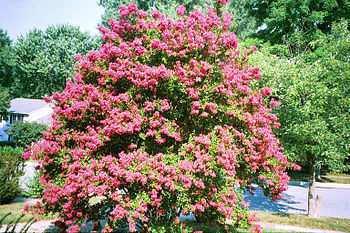
The Red Rocket Crepe Myrtle is the best tree for you if you like bright colours in your yard. This tree brings summer fields to life with its bright red flowers and quick growth. People who own homes and work in landscaping love it because it is tall, has smooth bark, and has bright red flowers.
It's easy to grow and take care of the Red Rocket Crepe Myrtle, and it looks great. In the summer, it can withstand hot weather, dry soil, and even adverse growing conditions. This is why it's a well-liked pancake myrtle tree in the South and other places, too.
You can find high-quality Red Rocket Crepe Myrtles at TN Nursery, along with other beautiful types like the Natchez Crepe Myrtle and the Muskogee Crepe Myrtle. Each of these trees makes a scene look beautiful with its own colour.
Understanding the Red Rocket Crepe Myrtle
The Red Rocket Crepe Myrtle tree leaves fall off in the fall, and its deep, fire-red flowers stand out in the summer. The dark green leaves of the tree look beautiful next to these flowers, which make any garden a colourful paradise.
This type grows quickly and can get up to 20–30 feet tall, which makes it a great choice for adding height to your garden or providing shade. The leaves turn bright orange or red in the autumn, giving the tree colour all year.
The Red Crepe Myrtle is amazing because it can grow in a wide range of soils and temperatures. It grows well in warm regions when other plants might not do as well. It likes full light.
Ideal Growing Conditions and Planting Tips
If you plant a Red Rocket Crepe Myrtle in the right way, it will grow nicely for a long time. To help your tree grow well, do these things:
- Pick the right place- Choose a spot in the sun that will get at least six hours of sunlight every day. They love being in the sun.
- Type of soil- These trees do best in soil that drains well, but they can grow in poor soil, too.
- Planting depth- Make a hole that is twice as wide as the root ball, but not deeper. Put the tree in place, cover it with dirt, and give it lots of water.
You can also look at the Red Crepe Myrtle, which is another popular type that TN Nursery sells. It has rich red flowers that look like the Red Rocket but are smaller.
Care and Maintenance for Healthy Crepe Myrtles
After you plant your pancake myrtle tree, it's easy and fun to take care of it. To keep it healthy and full of flowers, follow these easy steps:
1. Watering
Water the plant often during the first growing season to help the roots take hold. When they are fully grown, pancake myrtles can handle dryness and don't need much care.
2. Pruning
In late winter or early spring, before it starts to grow new leaves, cut back your Red Rocket Crepe Myrtle. Trim off any branches that are weak or dead, and shape the tree so air can flow through it. Do not trim too much, as this can damage the tree's shape and flowering. This is also known as crepe murder.
3. Fertilizing
If you want your tree to grow well and have bright flowers in the spring, feed it a balanced slow-release fertiliser.
4. Getting rid of pests and diseases
Crepe myrtles are tough trees, but they can get powdery mildew or aphids from time to time. If you need to, use natural sprays or light soap that kills bugs.
If you take good care of your Red Rocket Crepe Myrtle, it will bloom beautifully everysummer for many years to come.
Top Crepe Myrtle Varieties to Add to Your Landscape
There are many crepe myrtle varieties at TN Nursery that will work with different settings and tastes if you want to add more colour to your yard. They are the following:
1. Natchez Crepe Myrtle
People love the Natchez Crepe Myrtle for its pretty white flowers and smooth, cinnamon-colored bark. It gets 25 to 30 feet tall, which makes it great for garden edges or pathways. If you're outside, its white flowers will add a calm and classic touch.
2. Muskogee Crepe Myrtle
The Muskogee Crepe Myrtle is a great choice if you like soft purple flowers. It has blooms that last a long time—up to 100 days in the summer. It doesn't get diseases, doesn't need much crepe myrtle care , and is great for adding colour to your yard.
3. Red Crepe Myrtle
Beautiful red flowers that stay bright all summer long come from the Red Crepe Myrtle. As the Red Rocket is bigger, this type is better for small yards or garden edges.
There are a lot of different colours and sizes for these crepe myrtle types, so it's easy to find the right one for your place.
Benefits of Growing Crepe Myrtles
- Bees, butterflies and hummingbirds love pancake myrtles, which means they are good for pollination.
- Once they're developed, they don't need much care.
- Crepe myrtles look great all year with their bright summer flowers and autumn leaves.
Planting Roses
These trees can handle weather, pests, and diseases, so they will last for a long time in any yard.
FAQs
Red Crepe Myrtle Shrub When does the Red Rocket Crepe Myrtle bloom? It has groups of bright red flowers that last for a few weeks from the middle of summer to the beginning of autumn. What is the Red Rocket Crepe Myrtle Tree? It's a pretty tree that grows quickly and is known for its beautiful shape, smooth bark, and deep red flowers. It's great for giving gardens and fields bright colours. How do I care for a Crepe Myrtle tree? Give it full sun, water it for the first year, and do some light pruning in late winter. To keep its original shape, don't prune it too much. What are the best varieties of Crepe Myrtles? The Red Rocket, Muskogee, Natchez, and Red Crepe Myrtles are all very popular types. Each has a different colour bloom and size of growth. Where can I buy Red Rocket Crepe Myrtle trees online? These trees are easy to get from TN Nursery, which ships healthy trees straight to your home.


