
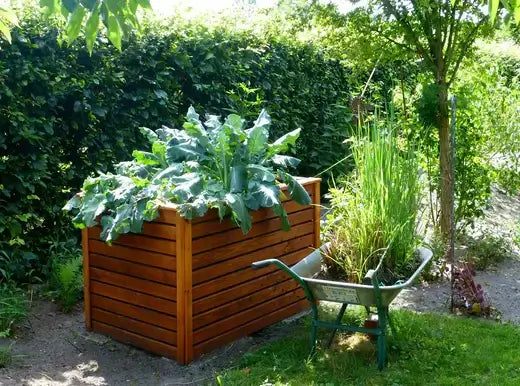
Raised Garden Beds: Why They Are Better Than In-Ground Gardens
Raised garden beds solve three problems that seem to plague every gardener in Tennessee: heavy clay soil‚ erratic drainage‚ and the continuing feeling that the growing season is just not starting early enough․ Fill a raised bed with good soil and you have avoided the compacted red clay soil that is the bane of much of Middle and East Tennessee․ The result is stronger plants‚ fewer disease problems and it allows the garden to be established weeks before the ground could be worked․
If you've gardened here over a season or two‚ then you know the problem․ Our native soil is a hard‚ acid clay that drains poorly after heavy rains and turns into a brick after an August dry spell․ Raised beds‚ by placing the growing medium up off the native soil‚ avoid this problem altogether․
What makes the soil different?
The key to a quality raised bed is not its construction‚ but the soil: 60% topsoil‚ 30% compost‚ and 10% something to improve texture‚ such as perlite or old pine bark․ It'll drain and it will hold water at the same time․ I know it sounds contradictory‚ but after you see it‚ you find that this water goes through and doesn't hang around the root․ At the same time‚ the compost retains enough moisture so you don't have to go out and water at least twice a day in July․
Tennessee summers are brutal․ The clay soil‚ depending on how much rain there is‚ is either soup or rock․ A well-built raised bed protects plants from that․ Moreover‚ the soil must be renewed every year at the beginning of spring‚ since the organic material is not as effective after a while because it decomposes and is compressed․ This can be done by mixing two inches of compost into the soil in March․
Drainage That Actually Works
More vegetable gardens in the southeastern United States are killed by standing water than by insect and disease pressure combined․ Roots in clay‚ where water commonly sits on the surface after rain‚ rot within days․ The roots stay 8 to 24 inches (200 to 610 mm) above the ground depending on how high you build them so the water runs off rather than sitting stagnant․
It is most important in Tennessee's wet spring season from March to May‚ when the garden can receive several inches of the rain in a single week‚ and in-ground gardeners can lose entire rows of seedlings to flooding from these rains․ This is probably not an issue in raised beds‚ where the soil mix incorporates enough bulk to keep pores open․
Fewer Weeds‚ Less Bending
You also will have less weed pressure because you start with a clean slate and raised beds are easier to fully cover with a mulch layer․ Two to three inches of straw or shredded bark mulch over the top of the soil surface will help avoid most weed seeds from germinating and will cut down on your maintenance time a lot․ You might still get the windblown seed now and again‚ but nothing like the permeating seed on an open garden bed․
And speaking of height‚ for those of you who've spent an afternoon on your knees pulling crabgrass‚ you'll be happy to know that beds that are 18 to 24 inches high will allow most people to remain standing or sit on the edge of the bed‚ which is a big relief for knees or back․ This is one of the most underrated benefits - gardening becomes something you can do for an hour without waking up sore and stiff the next day․
Chapter 2: An Earlier Start to the Season
Soil temperature controls the germination process․ Soil in raised beds tends to be warmer‚ given that they are raised above grade and are darker in color․ In Tennessee‚ USDA plant Hardiness Zone 6b to 7b‚ the first planting of cool weather tolerant crops such as lettuce‚ spinach‚ and pea can be 2-3 weeks earlier than grade planting․ The soil simply reaches workable temperatures in spring sooner․
That head start compounds through the season‚ as earlier plantings lead to earlier harvests‚ plus the opportunity to fit in a second succession planting of fast-maturing crops before the summer heat cranks the season to a halt․ For frost-tender vegetables (tomatoes‚ peppers‚ etc․)‚ you still need to consider our average last frost date (April 7-15‚ depending on where you are in the state)‚ but the soil will be warm enough to set out transplants as soon as that date passes․
Pest Pressure and Companion Planting
Although raised beds do not stop pests‚ the space between the ground and the bottom of a raised bed will deter slugs‚ and burrowing insects and burrowing mammals such as voles․ If burrowing pests are a problem‚ using hardware cloth when the frame is being built is a good insurance policy against pests and is worthwhile if voles are a problem․
In addition‚ during the finite period of occupancy of a raised bed‚ the detrimental effects of some plants‚ such as insect-repellent marigolds‚ or companion plants such as basil and tomato‚ are easier to manage in a contained space‚ such as a bed's perimeter or center‚ than in a large garden space․ Crop rotation is easier too‚ as one can visualize and map out areas of a bed that are grouped by family‚ and move them around each successive year‚ no matter where the previous one was․
Building or Buying the Right Bed
However‚ cedar and redwood last the longest‚ do not leach chemicals‚ and are better for food gardening․ Untreated pine will only last 3 to 5 years in our humid conditions‚ but will work as well․ Galvanized metal beds have become popular as well‚ and while durable‚ they can be hot to the touch in July afternoon sunlight․
Lastly‚ a word on depth: six inches is generally enough for lettuce and small herbs‚ but anything that has a taproot‚ like carrots (and especially tomatoes) will need at least a foot‚ preferably 18 inches‚ if you want a reasonable chance of success with long-season crops․
At TN Nursery we work with a lot of raised bed gardeners who want to plant perennial borders or pollinator plantings alongside their beds of vegetables․ Perennials such as Blazing Star Liatris and native Milkweed are very successful in raised beds‚ because their roots enjoy the better drainage‚ and they attract pollinators to help the vegetable plants․
The Trade-Off Worth Knowing
Raised beds are not maintenance-free‚ however․ The soil in a raised bed dries out faster than if the bed were at ground level‚ so you may need to water more often in summer‚ possibly daily in the 90s․ "Budget for that before you commit‚ and if you're doing more than two or three beds‚ consider drip irrigation․ It's a small cost for the amount of headache these beds eliminate elsewhere in the garden․"


