
Best Perennials to Plant in Early Spring in Tennessee
Perennials in Tennessee should be planted in late March or early April after the last hard frost is gone and the soil temperature is above 50F (10C)․ For most of Tennessee‚ zone 6b to 7b‚ this means after the last average frost date in your area which should be early in April for Middle Tennessee and mid-April for the higher mountains of East Tennessee․ With five or six tried-and-true perennials planted during this period‚ your garden will fill in fast and come back even stronger for next year․
Here are the perennials that do best when they're planted early in the season here‚ as well as the details you need to take your plants from barely surviving to thriving․
Wild Geranium (Geranium maculatum)
This perennial native woodland flower makes an easy to grow shade plant for the springtime in Tennessee yards․ The soft pink to lavender colored flowers bloom in April and bloom until about June․ It grows best under trees or the northern side of a house‚ out of direct sunlight․
Plant in early spring while the soil is still cool and moist; it does not become established well in warm summer heat or dry weather․ Space plants 12 to 18 inches apart‚ and it will fill the gaps in two years' time‚ as it spreads by rhizome․ An alternative is to leave 2 inches (5․1 cm) of mulch at the plant base to hold moisture‚ and cut the plants down after flowering․ The wild geranium is very willing to seed itself‚ so seedlings will appear the following year․
Hydrangea (Hydrangea spp․)
Planting hydrangeas early in the spring gives them the whole growing season to become established before baking in the Tennessee summer heat‚ particularly July and August․ Although bigleaf hydrangea (Hydrangea macrophylla) is the most commonly used option for color change blooms‚ oakleaf hydrangea (Hydrangea quercifolia)‚ a Southeast native‚ is more tolerant of clay and humidity than almost any other Hydrangea․
Planting the hydrangeas in morning sun and afternoon shade as afternoon sun in Tennessee will start to burn the leaves by mid-June․ Water deeply twice a week for the first two months‚ rather than a little each day; giving too much surface water produces shallow root systems․ To change the bloom color in macrophylla types‚ aluminum sulfate should be applied to the soil in early spring for a blue flower‚ or garden lime should be used for a pink flower․ The flower color of oakleaf types‚ which like the panicle types are not affected by pH change‚ is determined by genetics‚ something that is not as well described in the literature․
Creeping Phlox (Phlox subulata)
Few plants offer so much beauty in return for so little effort as creeping phlox․ When planted in early spring‚ ground is blanketed with five-pointed pink‚ purple‚ white or blue blossoms by the following April․ The flowers form a mat that may cover 2 feet (0․61 m) of ground per plant within a couple of seasons․
It needs full sun and good drainage․ It will rot in heavy wet clay‚ so amend the planting area with compost or coarse sand․ Space plants about a foot apart․ When established‚ do not water too often: creeping phlox is genuinely drought-tolerant and prefers to dry out between waterings․ Shear it back by a third just after the main bloom in spring is finished․ This keeps the mat dense and can lead to a second lighter bloom in the autumn․
Hosta (Hosta spp․)
Hostas are the workhorse of the shade garden‚ and the best time to divide and plant the hosta is early spring‚ when its new shoots (hosta eyes) are pushing up through the ground․ The humid environment and plentiful rainfall of Tennessee are ideal for hostas‚ but slugs are a bigger problem in the Volunteer State than in areas with less moisture․
Grow in morning sun/full shade: most cultivars‚ especially ones with blue in their foliage‚ will burn/fade in hot afternoon sun․ Space cultivars with a small growth habit 18 inches (0․46 m) apart․ Space giant cultivars such as 'Empress Wu' 4 ft (1․2 m) or more apart since they can be far larger than reported nursery pot sizes․ Watering at the base rather than overhead reduces slug damage and fungal spotting‚ while top-dressing every spring with compost rather than synthetic fertilizer prevents soft growth favored by slugs․
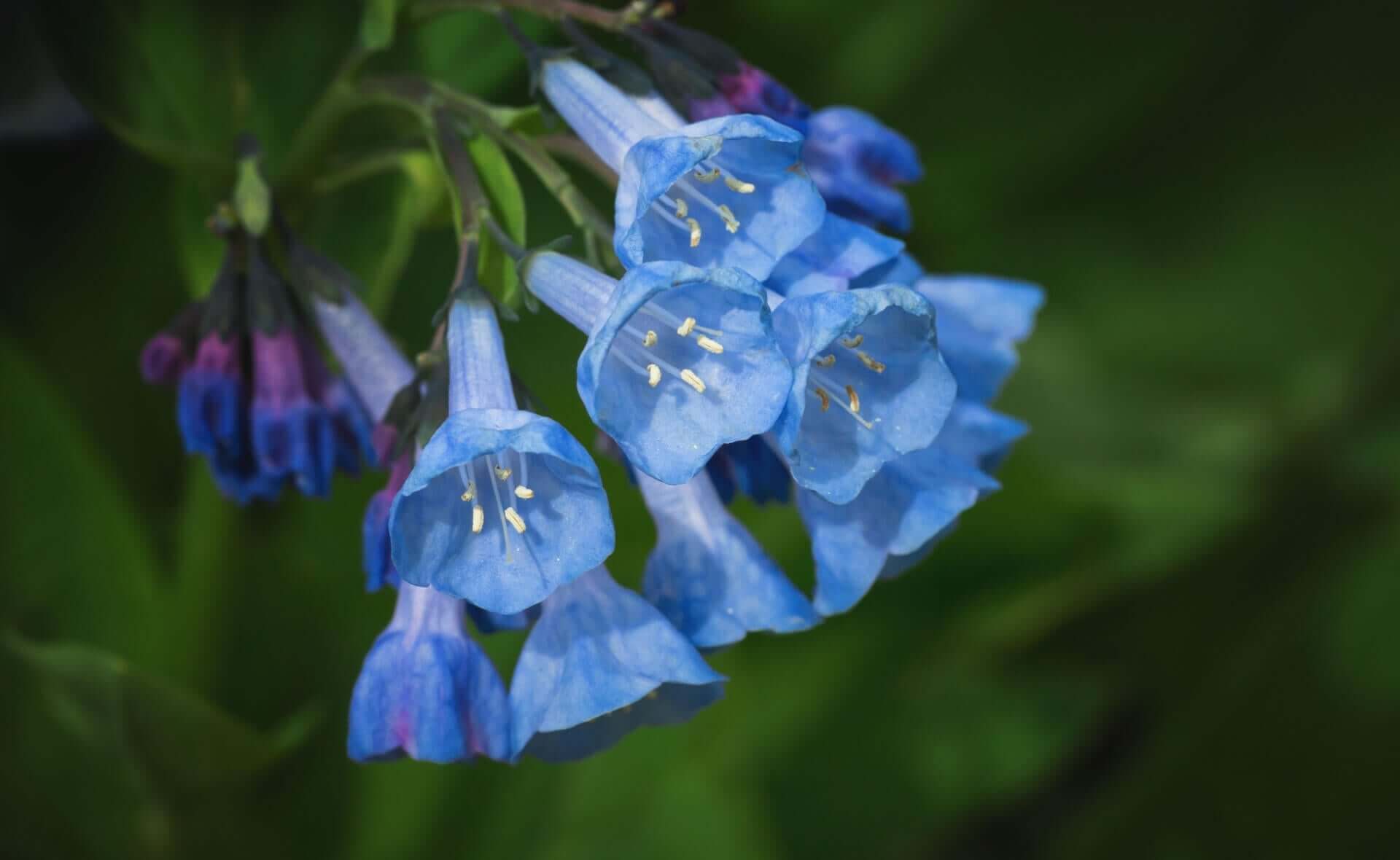
Virginia Bluebell (Mertensia virginica)
Being a true spring ephemeral‚ Virginia bluebell flowers early in the spring and dies back to the ground almost entirely by the beginning of summer․ This may surprise some gardeners‚ thinking it should last through the growing season‚ but it works well interplanted with hostas or ferns that take over its space as it dies back․
The plant is cultivated in the open in moist‚ humusy soil under deciduous trees in early spring‚ where it is in full sun before the trees leaf out‚ and during the fall‚ after the trees have shed their leaves․ The blue‚ bell-shaped flowers appear in March and April․ It is a good companion for wild geranium․ Do not cut back the leaf blades after flowering‚ but let them yellow and die because the plant is storing energy in the roots for next year․
A Few General Notes for Tennessee Planting
Soil runs heavy on clay in a lot of counties․ That's the single biggest factor working against new perennials‚ but adding compost (not just potting soil) to the holes makes a real difference in drainage and the establishment of roots․ If your perennials are bare-root (as hostas and geraniums are often sold at the nursery)‚ then soak the roots in water for an hour before planting‚ to rehydrate them․
Many of TN Nursery's perennials‚ from bare-root divisions of hosta to potted hydrangea‚ to creeping phlox‚ are sent at the ideal time for you to plant them in your zone in early spring so that you aren't guessing‚ or racing against a late frost․
Get these five in the ground this spring‚ and you're well along toward a garden where bluebells and phlox will bloom in March and April‚ geranium and hosta in May and June‚ and hydrangea in summer․ A succession of blooms from springtime to summer is the goal of a good perennial bed․


