
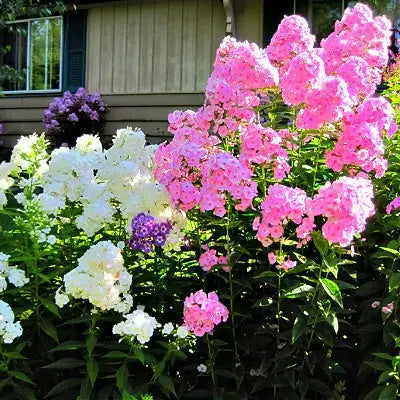
Exploring Perennial Plants in Landscaping
While landscaping a home‚ many homeowners look for plants that are not only visually appealing‚ but hardy and easy to maintain outdoors․ Perennial flowers and plants are often the best choice for landscaping purposes․ Unlike annual plants‚ which must be replaced every year‚ perennials return year after year‚ providing the garden with color and foliage․ The relative permanence of perennial plants makes them a natural choice for a low-maintenance garden․ To create the beauty and charm of gardens‚ flowering plants and blooming plants are commonly used․ Those aware of the many advantages to landscaping with perennial plants can create a beautiful yard that is cost-effective and environmentally friendly while creating a high level of aesthetic appeal․
One of the most prominent advantages of perennial plants is the decreased maintenance they require․ Once established‚ perennial plants can be lower maintenance than other seasonal plants․ Perennials do not need to be replaced as often‚ and many are drought resistant or tolerant of poorer soils‚ and thus are less expensive and less time-consuming to maintain․ Compared to annuals‚ perennials require less maintenance in terms of deadheading‚ cutting back or division․ In addition‚ they allow the homeowner to enjoy the garden without feeling the need for constant attention․ Low maintenance gardens allow people with busy lives‚ couples‚ and families to create a colorful and floral environment that requires less attention than conventional gardens․ Once established‚ perennials require few resources from the gardener‚ and provide more time to spend in the garden for the homeowner to enjoy․
How Perennials Conserve Water
Perennial plants can offer a way to cut water usage‚ which is becoming an increasingly key factor in landscape design as the value of water becomes recognized․ Because perennial roots are often deeper than those of annuals‚ they are often better equipped than many annuals to find moisture deeper in the ground‚ making them more drought-tolerant․ Once established‚ perennials are also often less demanding of watering than annuals (particularly in moderate climates)․ By using drought-tolerant flowering perennials‚ a sprinkler system may not be necessary‚ which not only saves the owner money because of the decrease in the water bill‚ but also reduces an individual's ecological footprint․
Second‚ the purpose of perennial plantings in the landscape is to provide habitat․ Gardens containing native perennial plants provide habitat for a wide variety of wildlife such as pollinators (bees and butterflies‚ for example)‚ and other wildlife such as birds which use the plants for housing and seeds․ The greater the diversity of plant species in a garden‚ the more plant and wildlife symbioses there are․ This branch of landscaping is increasingly relevant to urban areas where natural habitat is being lost to built environments․ By planting perennial gardens‚ residents can become effective stewards of their own environment‚ and observe the natural beauty of local ecosystems‚ and the sights‚ and sounds of wildlife from their own back yards․
In addition to this‚ perennial plants may increase the value of a home: in many cases‚ the most important factor for housing values is whether buyers see the home as nicely landscaped and perennials are a way to achieve that․ Real estate agents note that properties sold with established and landscaped perennial gardens will generally fetch a higher price‚ both due to the aesthetic value of perennials as well as the implied message that the property has been well cared for‚ as indicated by the existence of an established garden․ Perennials can also be considered an investment that requires less maintenance and renewal than annuals for several years while providing a beautiful feature in the home landscape for the foreseeable future․
Perennials Offer an Unlimited Range of Colors
Another advantage of perennials is that they offer an almost unlimited range of colors‚ sizes and shapes‚ and they can fit into almost any design or landscape one might dream of or want to create․ Whether the desired garden is a customary English cottage garden‚ a no-maintenance garden‚ a tropical garden‚ a garden with themes or any other kind of mixed garden‚ perennials offer the gardener the ability to create combinations of flowers and foliage to carry through an entire season‚ with successions of blooming or foliation․ Perennials can be used in the garden in many ways․ They can fit any kind of gardener from the artsy to the practical and can survive in a number of different growing conditions․
Some of the many advantages of perennials in the landscape include their low-maintenance requirements‚ their drought resistance‚ habitat for wildlife‚ and their possible contribution to property values․ Because of these advantages‚ perennials rank among the best choices for today's landscape designers and property owners․ Versatile and customizable‚ outdoor areas can be beautiful and eco-friendly‚ allowing homeowners to express themselves while making sustainable choices without spending all their time and energy maintaining their outdoor living areas․ By planting perennial plants‚ we can have what we want today and ensure a beautiful tomorrow․ Homeowners can have a more environmentally friendly home and an abundance of nature's offerings by using these hardy‚ long-lived plants in their landscaping․


