
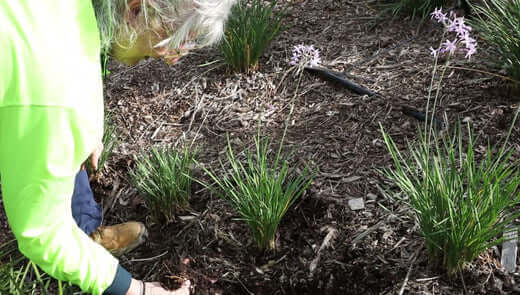
Effective Techniques for Mulching Plants
Mulching plants and trees has been used by gardeners for centuries‚ and of late has been growing in appeal among more novice as well as experienced gardeners․ The simplest definition of mulching is any material spread or laid over the ground or the earth around plants and trees․ The act of mulching serves many purposes‚ some of which are not aesthetic in nature‚ and include nutritional and health benefits to the plants․ With so many types of mulch and so many reasons for wanting to mulch the garden‚ it's easy to see how wonderful mulch can be for your garden plants․
Mulches have many benefits for plant and tree growth․ Probably the most obvious of these is the retention of moisture in the soil‚ which can be extremely useful during periods of drought․ By reducing the evaporation of soil moisture‚ mulch also provides moisture to the roots of plants‚ and mulching can stabilize soil temperature and protect roots from heat or frost extremes․ In addition to its temperature-controlling properties in transitional seasons‚ mulch acts as a weed suppressant‚ limiting the competition for sunlight and nutrients so that the plants can grow freely․ Organic mulch also adds nutrients to the soil as it breaks down over time‚ which helps the roots grow‚ spread‚ and thrive․
Factors to Consider When Choosing a Mulch
The choice of mulch depends on what plants grow in an area‚ the aesthetic nature of the plant design‚ and climate․ Organic mulches (wood chips‚ straw‚ shredded leaves) improve the soil quality and nutrition as the plant material breaks down and composts․ Organic garden mulches are also better suited to certain landscape designs because they blend in well․ In contrast‚ inorganic garden mulches such as gravel and landscape fabric do not need to be replaced and thus have greater longevity‚ plus they are good for moisture conservation in drought-prone areas of the world․ Considering these factors when selecting mulch materials will help the mulch to serve its intended function and will not work against the natural environment․
Using mulch to achieve the desired effect is an art to be learnt․ It is desirable to prepare the ground well before applying the mulch to it․ This means that the area should be cleared of weeds‚ debris‚ and unwanted plants․ Once the area is cleared‚ mulch should be laid evenly around the plants without choking the plant's stems or tree trunks and with air and moisture access to the rest of the plants and trees․ This is generally a depth of 2 to 4 inches which should be thick enough to cover but allow circulation․ Keep mulch a few inches away from the stem or trunk of any plants‚ to avoid mold or stem rot or damage․ Periodically inspect the mulch to see if more is needed or if the mulch needs to be redistributed․
There are both organic and inorganic mulches available․ The practical consideration‚ and the use to which the gardener intends to make of the mulch‚ will often determine the final choice․ Organic mulch tends to be more aesthetically pleasing than the inorganic‚ and also tends to be more sustainable‚ as it adds fertility and increases microbial activity․ The result is a diverse soil ecosystem‚ which enables healthy plant growth․ Inorganic mulches do not provide the soil ecosystem advantages of organic mulches due to their indestructibility and lack of interaction with the soil‚ although they can be very useful for long-term planting and weed control․ Knowledge of the attributes and potential effects of each is critical to the way that a gardener can develop the garden․
Organic Mulch Will Decompose Over Time
The application of mulch can be considered a maintenance activity‚ since reapplication and replenishment of mulch is normally needed to ensure that the benefits of mulch are enjoyed throughout the growing season․ Organic mulches decompose over time․ This requires them to be regularly replaced either at the beginning of the growing season in the spring or after the growing season is over․ Inorganic mulches on the other hand can last for several years․ They can be regularly used without replacement and may need occasional maintenance or inspection․ Indicators are likely to include weed growth‚ the thickness of the mulch layer‚ and the state of vigor of the plants in the system․
In conclusion‚ mulching is a simple yet effective way of providing a huge array of advantages to plants and trees․ It can turn even the most barren ground into a colorful and flourishing environment․ Mulching can be understood‚ utilized‚ and manipulated by the gardener to create an environment that leads to a more aesthetically pleasing and longer lasting growing space․ Making use of a natural organic material‚ such as wood chips‚ or a more permanent material‚ such as gravel‚ can connect the individual to the earth and promote environmental care․ Used correctly‚ it can form a foundation for a flowering garden that will last for many years to come․


