
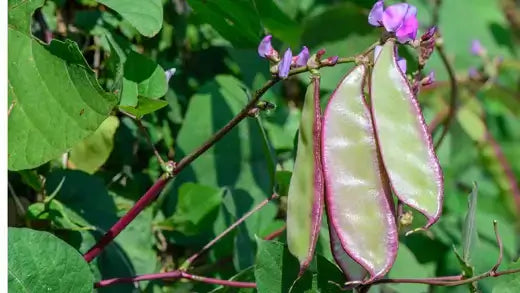
On those moonlit evenings when even the earth seems to hold its breath and hold on to the silver light a little longer‚ you would have observed beautiful‚ moon seed vines twining themselves around trees and trellises․ Also known as a night-blooming flowering plant‚ the Ipomoea alba is a twining vine that is interesting both visually and botanically․ Moon seed vines produce numerous large white flowers that unfurl at dusk as soon as the sun disappears over the horizon․ While they are beautiful‚ they also provide numerous advantages to their cultivators․ The vines also carry historical and cultural importance‚ with associations to various regions and communities around the world․
Growing
Unlike other vine species with climbing tendencies‚ moon seed will climb upward to a height of more than ten feet if given an opportunity to reach a support structure such as a tree‚ fence‚ or trellis․ The plant's long‚ heart-shaped and dark green leaves lead to the impressive white flowers․ The moon seed vine is easy to grow from seeds that germinate quickly when placed in warm soil with consistent moisture․ Alternatively‚ seeds of this genus will begin to sprout and send out spiraled shoots when water is present and the temperature increases to a certain point‚ being adapted this way to compete for sunlight․ These plants bloom at night as they are often sweet scented and pollinated by insects that are also nocturnal‚ such as moths‚ and some species of beetles․
The moon seeds produced by the vines are edible when ripe and have a mild taste․ They can be harvested and eaten or added to several dishes; some sources say they have a nutritionally favorable profile․ Roasted moon seeds make a nutty and crunchy snack․ Moon seeds powder is commonly used as an ingredient in protein smoothies․ Moon seeds are incorporated into local foods and other customary delicacies in the form of a paste‚ in which they impart their flavor to the dish․ Moon seeds can transcend their consumption within customary foods‚ and can also be used by chefs and home cooks as a culinary homage in the exploration of fusion and contemporary uses of customary moon seeds․
History
An ancient plant‚ the moon seeds have been carried through prehistory and across continents‚ leaving a trail of forgotten lore and customary medicine․ Various cultures used the plant as a remedy‚ and early humans used the leaves and seeds to treat digestive and respiratory ailments of the body․ Tinctures produced from moon seed were remaining in the historical practices of herbalists and early healers‚ where potions and poultices were produced from the plant․ The practices of these healers were characterized by the use of moon seed and other natural resources‚ and are an example of the connection between human beings and nature․ In later centuries‚ it seems‚ the real value of these seeds was known․ But the sanctity of the mystery of the seeds has neither altered nor diminished in the society that loves herbs․
Moon seed vines have been assimilated into the cultural mores of many different peoples and places․ In parts of the Americas‚ for example‚ the plant‚ and especially the flowers of the plant‚ are used as symbols of romantic love and joyful union in wedding ceremonies‚ and the eventual union of their souls․ The vines also carry spiritual importance in some Asian cultures‚ being used in ceremonies to commemorate the dead‚ as a way to celebrate the full circle of life․ Gardens of these sunlit places‚ with their moon seed vines draping above‚ are used for gatherings where families and friends recount stories of the deceased under the stars‚ among the scent of flowers‚ and the vines swaying in the night breeze․ Each region has its own story about the moon seeds‚ which are embedded in local culture to engage and unite the region.
Pests
Moon seed vines also tolerate multiple forms of attack from plant pests․ Even the most voracious pests eventually kill off other plants‚ but the moon seed vine tolerates their assault and grows in soil low in nutrients․ Because of these attributes‚ its fast growth‚ well-branched foliage and generally low susceptibility to common pests‚ the plant quickly becomes established‚ and has been reported to require fewer treatments with pesticides than is common‚ making it a more popular choice for naturalists who want their gardens to be less artificial․ Moon seed vines in turn represent a wonderful self-stabilizing balance between nature's supply and demand and sustainable adaption‚ co-adaption‚ and co-evolution with their favored hosts․
The moon seed vine‚ a combination of beauty and utility‚ transcends the bounds of botany as it offers a detailed exploration of the aesthetics of nature with detailed forms and mystic flowers visible under moonlight‚ whereas also improving human endeavors in culinary‚ historical‚ and cultural endeavors by establishing man-nature equilibrium․ And so the story lives on‚ the memories of the moon seed vines now passed down from generation to generation‚ with beauty and abundance from kitchen to garden‚ nourishing body and soul in harvests past‚ present‚ and future․ May we continue to appreciate these vines and all they mean to us‚ and all the ways they improve our lives․


