
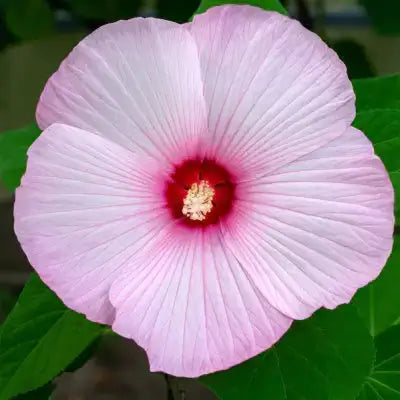
Exploring The Wonders Of Marsh Hibiscus
Marsh Hibiscus‚ Hibiscus grandiflorus‚ is another great example of nature's attention to detail․ It is a showy plant with big flowers in shades of pink to white‚ the result of evolution and adaptation in the rich but demanding world of wetland habitats․ At first glance‚ this flower may seem to be just another pretty flower blanketing the area‚ but with closer inspection‚ you would come to realize the Marsh Hibiscus has a role in the ecosystem that goes deeper than just its pretty physical exterior․ In this essay‚ I will discuss the Marsh Hibiscus‚ including its natural habitat and adaptations‚ its unique growth patterns‚ and its vital ecological role in its environment․
Marsh Hibiscus is native to the warm and humid conditions of wetlands‚ including marshes‚ swamps or banks of rivers where they grow in the moist soils of these habitats․ It can be found to most of its distribution in areas that are seasonally flooded or have a high moisture level in the soil․ Marsh Hibiscus is one of the plants that determines the flora of wetlands․ The soil is dark and full of nutrients for the plant and the natural environment boasts a rich amount of plants and animals․ The Marsh Hibiscus is made for its environment‚ and the Hibiscus grandiflorus is very much an emblem of the highly interactive relationship that every plant or animal has with its own environment․
Marsh Hibiscus Can Survive in Wetlands
Other adaptations of Marsh Hibiscus that help it survive in wetlands are its rooted system that anchors the plant into the soft‚ unstable ground‚ and the ability to absorb nutrients through the roots via anaerobic respiration‚ a process where a plant would usually die of suffocation due to not getting enough oxygen from wet‚ saturated soil․ The wide leaves of the Marsh Hibiscus‚ like those of many other plants‚ present a large surface area for photosynthesis but little surface area for transpiration and therefore water loss․ The plant appears to have an extraordinary water conservation ability‚ which is essential for the habitat where the Marsh Hibiscus grows․ The Marsh Hibiscus‚ therefore‚ is an example of well-rounded intelligence in all respects‚ combining beauty with the means of self-preservation․
Conservation efforts are being made for Marsh Hibiscus‚ as the species is considered helpful to wetlands․ Wetland ecosystems face threats from urbanization‚ development of natural habitats‚ pollution‚ and climate change․ Many conservation efforts exist to restore degraded habitat and re-establish populations of wild native plants like Marsh Hibiscus․ Such efforts may involve local communities and educate them about the ecological role of the plant and methods of restoring degraded ecosystems for the continued survival of the plant and its habitat․ The more we learn‚ and the more we are willing to participate in their conservation‚ the better chance there is for them and their fragile ecosystems․
Marsh Hibiscus Plants Are Adaptable
The growth habit of Marsh Hibiscus varies and the unique biology of growth and how this allows the plant to adapt to its environment is interesting․ While Marsh Hibiscus typically grows as a bushy plant‚ certain varieties of it can reach a height to project its flowers above the water․ Such a height may help the plants in more ways than one; the flowers are more visible to pollinators such as the native bee and butterflies․ The blooms of a Marsh Hibiscus will attract more pollinators and provide more nectar that will lead to pollination of other Marsh Hibiscuses․ Such a mutualistic relationship is always a delight to see‚ especially in a wetland environment․
In addition to the role of flowering plant and pollinator attractor‚ Marsh Hibiscus is important to the natural stabilization of shorelines and prevention of erosion in wetlands subjected to fluctuating water levels․ The root systems of the Hibiscus grandiflorus‚ which are well known for trapping sediment‚ have several functions in the surrounding ecosystem‚ including contributing to the accumulation of organic matter‚ preventing erosion‚ controlling soil movement‚ and creating a food resource for multiple animal species inhabiting the region․ The leaves are used for nesting birds while the flowers are a source of food for insects looking to forage on plants․ Thus this gentle giant of the wetland is a keystone species․
In conclusion‚ the Marsh Hibiscus is a plant that is not only important for its flowers‚ but for the role that it plays in the wetland ecosystem of which it is a part․ A combination of beauty‚ adaptation and ecological importance‚ with the increased awareness of the fragility of the ecosystems in which species such as the Hibiscus grandiflorus are found‚ it is a plant that is important․ Successful conservation of this rare flower does not only preserve the species but allows the countless other organisms which inhabit this wetland to survive․ Marsh Hibiscus serves as an ode to the interconnectedness of our ecosystems‚ an invitation to all of us to stop‚ reflect‚ and appreciate the natural beauty which envelops and nourishes our existence․


