
Flower Arrangement Techniques
Life is a symphony‚ and gardens are an orchestra from which all the colors and fragrances of flowers emerge‚ reflecting life in a variety of colors‚ shapes and smells․ They adorn our gardens and home making life beautiful and adding peacefulness to our day․ The art of gardening‚ and especially flower gardening‚ can truly be considered a living art‚ because it allows the person who cultivates the flowers some creative expression and the opportunity to create a personal bond with nature․ With a little practice and knowledge‚ the garden can be a place of beauty and enjoyment․ We will cover how to arrange blooms‚ how to landscape flower borders‚ the therapeutic benefits of gardening‚ seasonal flower choices‚ a historical view of flower gardens and conclude with flowers' power to improve our lives․
Arranging flowers is much more than just putting flowers in a format and moving them around until you think they look good․ Balance and harmony‚ as well as color and shape‚ are key concepts for an arrangement․ An easy rule to follow is the "rule of thirds"․ This is where the design is divided into thirds‚ and flowers of different varieties are used in each third․ Flowers of varying lengths and tall flowers can also be used to create depth in the design‚ being placed at the back with shorter flowers in between․ One flower type used alone can help create a sense of unity‚ while the combination of flowers can add a feeling of excitement and playfulness․ I often use texture in the arrangements‚ such as the smooth texture of the petals and contrasting textures‚ such as a fuzzy leaf‚ to lend additional depth to the designs and encourage people to look beyond the flowers․ Each arrangement tells a story․
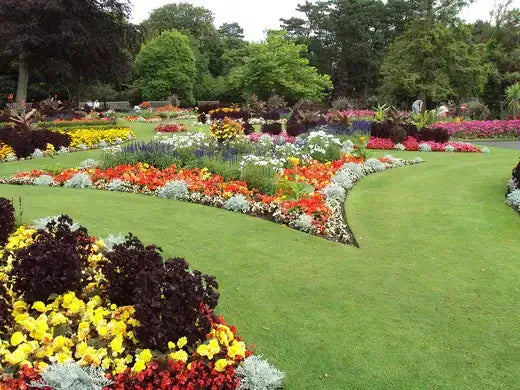
Designing flower beds and borders is seen as a form of garden poetry․ One of the simplest design devices is to plant in a staggered arrangement with staggered spacing‚ so that tall perennials‚ such as hollyhocks‚ will be intermixed with mid-height daisies and that bare ground will be taken up by groundcovers such as creeping thyme․ Flower gardens can be themed‚ such as a flowerbed of flowers of a specific color‚ or designed to attract a certain insect to pollinate them․ Pathways through the garden‚ such as cobbled paths or wood chip pathways‚ can transport the observer through different parts of the garden‚ as well as creating garden rooms․ As flowering shrub and tree gardens continue to change from month to month or from season to season‚ they come alive in the blossoming‚ the fragrance‚ the diversity of scent and color․ This orchestration of life indeed reveals the heart of a gardener and shows us how to see such beauty as we pass through․
Gardening as a Therapeutic Activity
Gardening is not just another hobby‚ it is also an activity that helps people achieve good mental and physical health․ Gardening can help people escape the madness and stress that sometimes comes with life․ Tending plants‚ loosening soil‚ and working with growing seeds has been shown to improve mental health by improving focus‚ giving a sense of accomplishment‚ and fostering mindfulness․ People in contact with vegetation have reported general improvements in happiness and mood stabilization․ Gardening may involve moderate physical exercise‚ performing tasks such as bending or weeding‚ watering‚ or pruning‚ and can offer psychological benefits both to the gardener and to the sense of place for those who use the garden․ Therapeutic gardens have been long used in a healthcare context‚ where the patient experiences the garden‚ its beauty and the advantages of being in green space․ There is much more to gardening than visuals‚ as it is a concrete way to connect with nature․
To plant accordingly‚ one must understand the seasonality of flowers‚ so a garden can be a year-round garden of vibrant flowers․ For instance‚ in the spring the tulips‚ daffodils‚ and hyacinths awaken after a winter of dormancy and reach for the sun․ When summer comes‚ the flower beds are full of sunflowers‚ zinnias‚ and other colorful flowers․ In autumn‚ a marvelous contrast of colors is formed by the chrysanthemum blooms and the ornamental kale against a background of red and yellow fallen leaves․ Winter‚ too has its flowers; the minute sprigs of the winter jasmine‚ the fairy-like blossoms of the hellebore‚ are not the least lovely objects one meets with upon a frozen garden․ Planting a flower for every season means that there is always something in bloom to watch and that a gardener can experience the rebirth of life every time a flower opens․
Historical Significance of Gardens
Thus‚ gardens have been historically used for more than just decoration‚ and the Egyptians and the Persians made gardens‚ in addition to their other uses‚ in an effort to promote prosperity and leisure and to stimulate the senses․ The grand gardens created by royalty‚ like those at Versailles‚ show that a garden is also much more than just flowers: at different times and in different places‚ gardens have been places to escape from and a source of inspiration for artists and writers․ There are also garden-related associated traditions in many cultures․ Harvest festivals or special ritual surrounding the planting of functional plants connect people to the crops that will sustain them‚ and gardeners to life on earth in general․ With all these traditions‚ a garden is not just a collection of plants but culture and history as well․
In closing‚ designing a garden with beautiful flowering plants can be a creative and rewarding experience․ With the use of design principles‚ imagination‚ and the sheer joy of the gardening experience‚ we can create a more beautiful world around us and a more wonderful gardening experience for ourselves․ The flowers produced in each growing season give us opportunities to observe natural processes and beautify our surroundings․ The development of gardens throughout history reflects how closely human beings have always been connected to nature․ The flowers of the garden have been visual art to some‚ encouraging us to join in the work of self-expression and share the enjoyment of flowers․ We invite you to share in this art form whether you have a tiny balcony filled with pots or a sprawling garden: an expression of love‚ care‚ and the ephemerality of life․


