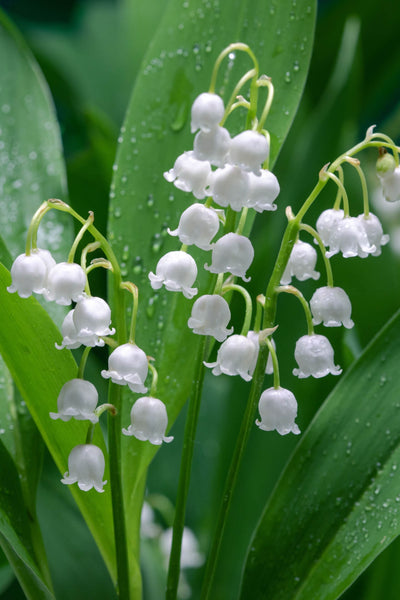
People love the lily of the valley, a local annual plant with pretty bell-shaped flowers that smell sweet. It's often used by gardeners to add texture and charm to shady garden spots, wild areas, and organic settings. Because it does well in cooler, shadier places, it's perfect for spring flower displays. The lily of the valley flower not only makes fields look better, but also gives off a light scent that makes outdoor areas.
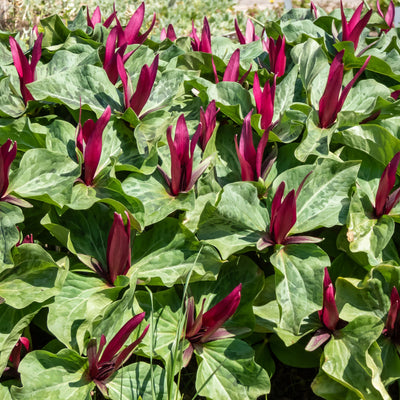
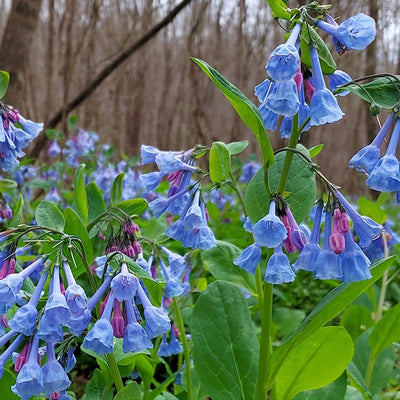
This article provides useful information on planting lily of the valley, how to care for it, which plants go well with it, and how to keep the flowers healthy and long-lasting. Adding native plants like Virginia Bluebell and Trillium Plants to a lily of the valley garden adds color, texture, and seasonal interest, creating a fragrant, multi-layered spring garden.
Why Lily of the Valley is a Must-Have Native Plant
People love the lily of the valley because it blooms early in the spring and doesn't need much care. Small white bells on its stems can brighten up shady spots where other flowering plants struggle.
Pleasant Smell and Good Looks
The plant emits a light scent that improves the smell of any shady yard path or patio area. Its low, drooping leaves make a natural green and white cushion that goes well with native plants without taking over.
Promotes pollinator and soil health.
When farmers plant lily of the valley, they help keep the soil healthy and attract beneficial bugs. While maintaining the soil's microbial diversity, proper lily-of-the-valley care allows the plant's leaves to grow thick and dense.
Adaptable and Strong
This plant is native to North America and may grow in medium soil and some shade. It can be used in forested settings and other low-maintenance environments where other plants would not do well since it is tough.
Because it spreads out naturally, it makes a soft, even ground cover that is great for organic and environmentally friendly garden designs.
Popular Varieties and Their Characteristics
The lily of the valley flower comes in many different types with a range of textures, heights and flowering times.
1. Classic White Bells
The most popular type, with white bells that smell nice. It's great for covering the ground under trees or shrubs. You can planting lily of the valley in mixed gardens with these plants as they are easy to grow and require little care.
2. Variegated Foliage Varieties
These plants leaves are green and white striped that looks pretty even before they open. They look great with Virginia Bluebells and other bright spring bulbs, adding a range of textures and layers to the garden.
3. Compact Cultivars
These smaller ones work great in pots, raised beds, or narrow wooded areas to fence. Because they are not very tall, they look good with taller plants like Trillium Plants while still keeping a balanced stacked look.
If you choose the right type for your room and lighting, the lily of the valley will be a focal point in spring with minimal care.
How to Plant and Care for Lily of the Valley
Pay attention to the dirt, the amount of water, and the space between plants if you want your lily of the valley patch to do well. If you follow these steps, your plants will grow strongly and have lots of blooms:
-
Pick a spot that has some shade.
There should be some light or shade for the lily of the valley flower to grow well. Stay out of the hot afternoon sun; it can burn the leaves, but it gives flowers enough light to grow well. Shaded places also make the plant smell better.
-
Prepare a rich, well-drained soil.
Adding compost or other organic matter to the soil will help it drain better and keep the roots healthy. Soil that is moist and full of nutrients helps plants grow quickly and adapt to the environment in your yard.
-
Plant rhizomes correctly.
Rhizomes should be 4 to 6 inches apart, and buds should face upward. Put down a thin layer of dirt and water well. The right amount of space between plants keeps them from getting too crowded, makes lily of the valley care easier, and promotes even blooming.
-
Always Put Water In
Make sure the earth stays properly wet, especially when it's dry. Using organic material as mulch keeps the soil moist and supports soil creatures, both of which are very important for long-term farming practices.
-
Fertilize
In early spring, use a balanced slow-release fertilizer to help plants grow quickly and have lots of flowers. Too much fertilizer is unnecessary and may reduce the likelihood of flowers growing.
Regularly monitoring and making small changes to the plant helps keep it healthy and ensures a beautiful, fragrant show every season.
Best Companion Plants for Lily of the Valley
When you pair lily of the valley with native plants that get along, the garden looks better and is healthier.
Virginia Bluebell
It gives the lily of the valley more height and soft, light blue tones that look beautiful against the plant's white bells. Their color times coincide, making them attractive to look at throughout early spring.
Trillium Plants
Trilliums, which are low-growing and brightly colored, provide a striking background for lily of the valley flowers. Their leaves and flowers have different shapes that add depth to a shade garden while keeping it in balance.
Woodland Plants
Perennials that do well in shade, such as ferns, hostas, and spring ephemerals, add to the benefits of Lily of the Valley by making the garden environment more diverse and richer. Companion planting also helps the land stay healthy and retain water.
Adding these friends to your landscape idea will make it look better and require less upkeep.
Tips for Maintaining Healthy and Blooming Plants Year After Year
-
Split up clumps every so often.
If you want strong blooms and to keep plants from competing with each other, split clumps every 3 to 4 years. Taking this easy step makes how to grow lily of the valley easy to handle and looking good.
-
Trim Yellowing Leaves
Removing old or damaged leaves helps prevent the plant from getting sick and promotes new growth. For long-term lily of the valley care, this helps keep beds clean.
-
Apply mulch once a year
Mulching keeps the soil moist, gets rid of weeds, and increases the diversity of soil microbes, all of which help plants grow in a way that lasts.
-
Monitor for bugs and fungus problems.
Having healthy land and enough water lowers the risk. If you do regular checks, you can find problems early and fix them without using chemicals.
-
Encourage a slow spread
Let the plant grow freely in shady spots, filling in empty spaces to make a thick, fragrant blanket over time.
Conclusion
The lily of the valley is a native plant that enhances the appearance of shaded areas. It is sweet, pretty, and easy to care for. This annual provides steady spring blooms year after year with careful planting and regular lily of the valley care. Planting Virginia Bluebells and Trilliums together adds complexity, color, and yearly interest. It naturally spreads, has a light scent, and can grow in a variety of conditions, making it a must-have for farmers
FAQ
What is Lily of the Valley and why is it popular?
A native plant with small flowers that look like bells and smell nice. It's often used in shade gardens and wild areas.
How do I care for Lily of the Valley in my garden?
Give it some shade, wet soil, mulch, a modest amount of fertilizer and regular cutting.
Which companion plants grow best with Lily of the Valley?
Trillium and Virginia Bluebell Plants, plants and flowers that do well in the shade look great with it.
How often should I water and fertilize them?
Feed your plants once a year in early spring and keep the soil wet.
Can Lily of the Valley spread naturally over time?
Yes, it grows in thick, fragrant clusters that get bigger as they get covered.
Is lily of the valley a native?
Yes, it grows naturally in many cold areas and is great for forest-style gardens.
Where to buy lily of the valley plants
TN Nursery offers healthy, ready to plant Lily of the Valley for your garden.