
Native Plants vs․ Adapted Plants vs․ Invasive Plants: What Tennessee Gardeners Need to Know
The difference is simple: native plants evolved in your area over thousands of years and support local wildlife‚ adapted plants are from somewhere else but can survive here without becoming a problem‚ and intrusive plants are from somewhere else and spread aggressively to eventually choke out everything else․ Knowing what category a plant belongs to will tell you how it will behave in your yard‚ how much work it will require from you‚ and whether it will help or hurt the rest of your land․
For Tennessee gardeners in USDA zones 6b through 7b‚ the difference is more than most people realize when they're standing in a nursery picking out shrubs․
Native Plants: Tennessee's Original Landscape
Native plants are the plants that grew here in Tennessee before European colonization: the redbuds‚ oakleaf hydrangeas‚ coneflowers and river birches that filled our forests and meadows for millennia․ They're not just plants that survived here; they've developed deep connections with our insects‚ birds and soil organisms that truly cannot be replicated․
The white oak (Quercus alba)‚ a majestic native tree‚ supports over 530 species of caterpillars; the ubiquitous suburban Bradford pear supports almost none․ Those caterpillars matter: a yard is a nursery to baby chickadees‚ which require 6‚000-9‚000 caterpillars to rear one brood․ Or‚ in a suburban monoculture? Virtually biologically sterile․
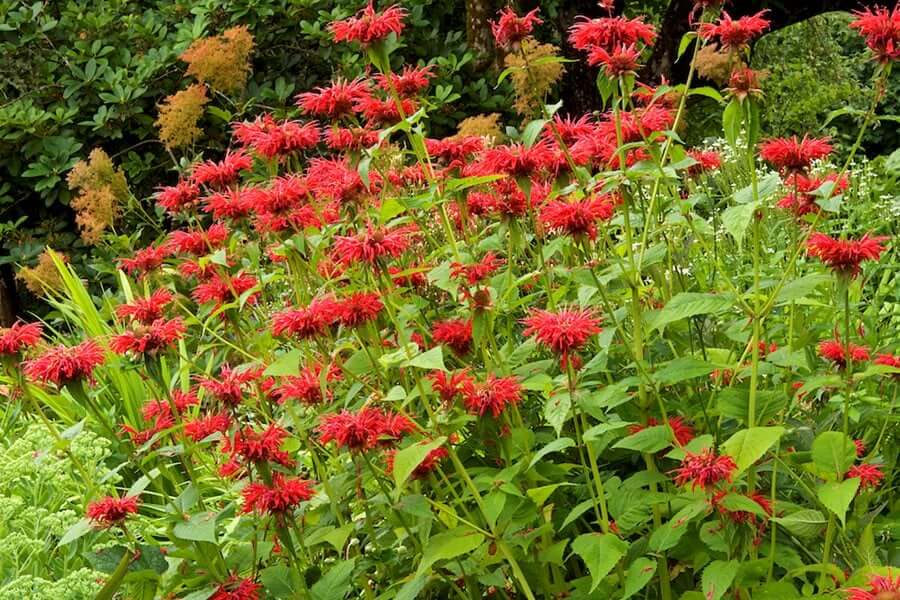
Once established‚ native plants in Tennessee typically have no need for irrigation‚ fertilization or pesticides․ Native Eastern Red Columbine and Wild Bergamot take summer drought and clay soil in stride because they have evolved in those conditions․ Overdoing it can be counterproductive; for example‚ coddled black-eyed Susans can become leggy and floppy‚ and coddled native grasses can lose the taproot that makes them drought-tolerant in the first place․
TN Nursery also has a nice selection of Tennessee and Southeast natives such as the Eastern Redbud‚ Oakleaf Hydrangea‚ and ferns that thrive here on our clay soil without the attention and sometimes fussiness of non-native ornamentals․
You can find out what is specifically native to your county using the Tennessee Native Plant Society․ Native to the Southeast does not mean native to Middle Tennessee; for instance‚ some native Gulf Coast plants won't tolerate our freezes, although they may be hardy in the Southeast․
Adapted Plants: Not Native‚ Not Necessarily a Problem
Adapted plants are in the middle category that most people overlook․ They are species from elsewhere (often other continents) that thrive here under Tennessee's climate without intervention and are not intrusive․ Take crape myrtle: it has Asian origins․ It tolerates humidity and heat․ Once established‚ it is drought tolerant․ It will not jump up and plant itself in a new place․ It just doesn't feed much of anything․
This is where a lot of garden centers and even extension offices are a little slippery in handing you a recommended plants list that mixes natives and adapted species like they're interchangeable․ From a water-bill standpoint‚ they kind of are․ From an ecological perspective‚ they are not․
A Japanese maple looks nice in a Nashville front yard‚ but even if it is non-intrusive‚ few if any‚ native insects eat the leaves, and it may not support birds that depend on that food․ That's a feature for people who hate pest damage and a problem for anyone hoping to attract more than the occasional goldfinch․
So if you want to use adapted plants for structure‚ as a foundation shrub or shade tree where you want that plant to grow to a predictable‚ low-maintenance size‚ go ahead․ If all the plants in your landscape are native‚ you can still have a yard that looks lush and is an ecological dead zone․
Invasive Plants: The Category That Actually Causes Damage
This is where the terms start to get muddled․ Non-native is often used interchangeably with invasive‚ but this is not technically correct․ Invasive plants are non-natives that spread rapidly beyond the site where they were first introduced․ They outcompete native plants for sunlight‚ water and root space‚ often because they are imported without the pests‚ diseases or grazing animals that kept them in check in their homeland․
Some of the worst intrusive plants in Tennessee are sold in big box stores: Bradford pear‚ Chinese privet‚ English ivy‚ and Japanese honeysuckle․ Bradford pear is by far the worst‚ cross-pollinating with other pears‚ seeds germinating in fence rows and forest edges‚ spreading into thickets‚ and smothering native understory plants within a few years․ However‚ because of the damage it has already caused to the natural environment‚ the sale of the Bradford pear was denied in 2027 in Middle and East Tennessee․
Kudzu is the poster child‚ obviously‚ but in some cases privet is worse․ It's to the point in Tennessee that it's so common on woodland edges that the whole understory is silent․ There's no native wildflower or tree seedling‚ just a monoculture of privet․
But the test is not just ''does it spread?'' Native plants spread‚ too․The question then becomes ''Does it spread uncontrollably into wild areas and displace the native plant communities that were there?'' If you're not sure whether your plant of interest is invasive in Tennessee or not‚ the Tennessee Invasive Plant Council has an up-to-date searchable database․ Five minutes on any plant with a reputation for being aggressive is time well spent․
Cultivated Plants: Your Vegetable Garden and Lawn
And then there is the fourth type‚ the cultivated plants‚ those vegetables‚ fruits and ornamental cultivars that are cultivated intensively in order to feed us or illustrate our gardens․ Here I am talking about tomatoes‚ hostas‚ roses․ Not native․ Not adapted in the wild sense․ Not intrusive either․ As plants that have been bred and manipulated to meet human needs‚ these require more water‚ fertilizer and pest control than their native or adapted neighbors․
Turf grass also fits this description․ An ordinary lawn is close to a biological desert․ They feed almost nothing․ If your lawn offers a good place to start‚ replacing even a third of it with native perennials and shrubs would do more for local wildlife than anything else you could do․
Building a yard that actually works․
The best Tennessee landscapes combine all three legitimate categories: some native landscape plants for the ecology‚ a sprinkling of well-behaved adapted plants for architecture or seasonal color‚ and cultivated plants where you want food or specific ornamental effects․ What you need to avoid at all costs is the intrusive category‚ no matter how quickly it fills a bare spot․ Invasive plants can quickly become established‚ requiring several years to remove․
"

