
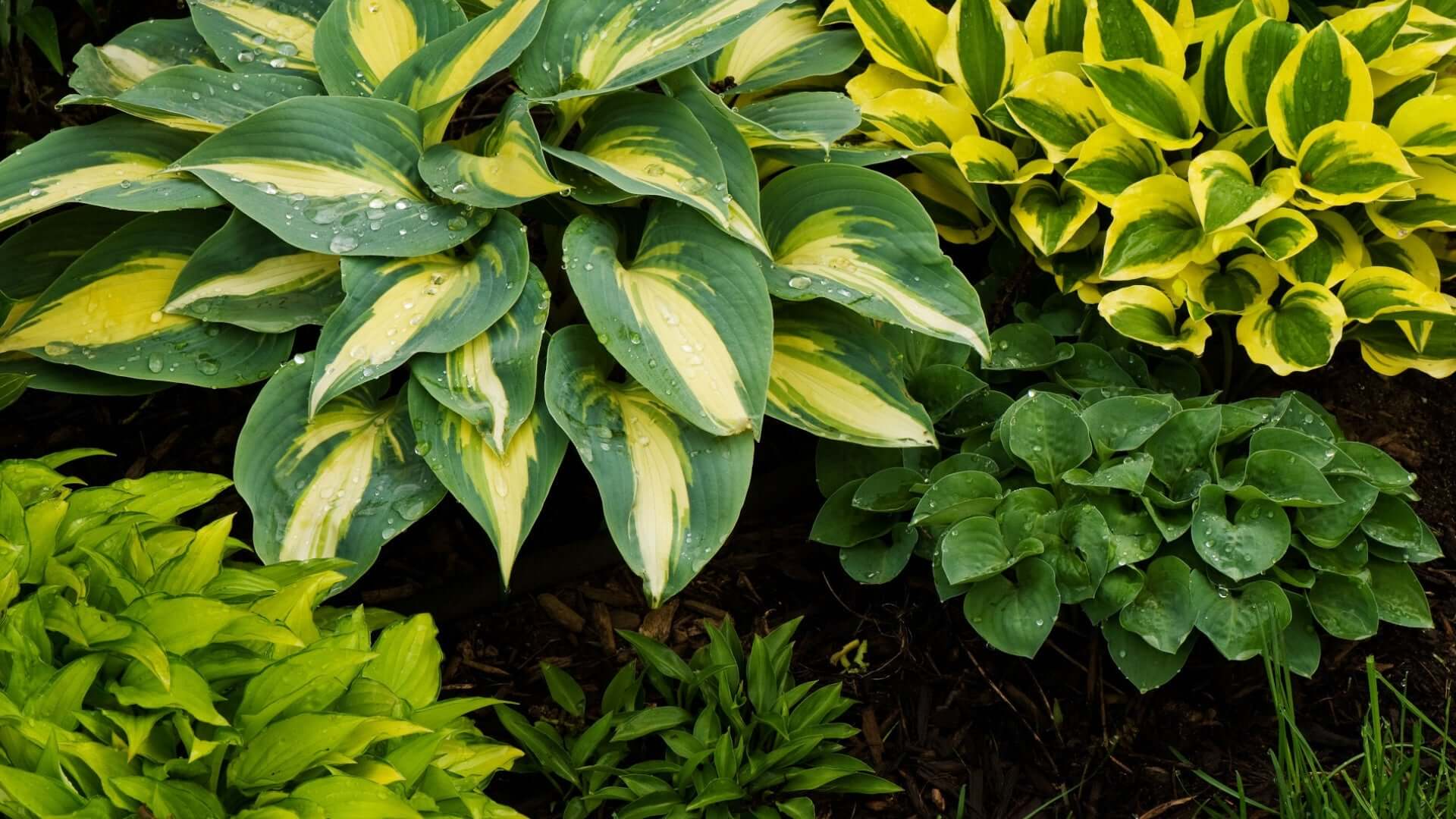
Is Fall a Good Time to Plant Hostas? Here's the Straight Answer․
Yes‚ fall is one of the best times (arguably the best of any season) to plant hostas throughout most of Tennessee and the Southeast (with 6 to 8 weeks before winter freezes the ground)․ From the first of September until the middle of October‚ fall planting is best․ Otherwise‚ it's best to wait for spring as hostas planted too late in the fall do not have enough time to establish roots before winter․
And that's the short answer․ But if you're planting hostas this fall‚ here's the long answer and how to do it․
Why Fall Planting Is Superior to Spring Planting
While spring gets all the press with garden centers filled to the brim with plants and all of us itching to dig into the soil‚ hostas have root systems that benefit from fall planting․
The soil is warm․ This is the detail most articles gloss over․ Air temp is not soil temp․ The first cold snap in autumn may give you cooler air‚ but the ground is still warm with summer's heat for weeks․ In Middle Tennessee‚ the soil temp in November is above 50° F‚ the ideal temp where hostas root well․ And while the top growth is slowing down and the leaves are wearing out‚ down below ground the roots are still growing and spreading‚ giving the fall-planted hosta a huge head start no spring-planted hosta gets․
Water and nutrient competition abate‚ and most of last summer's strong weeds are dying by September․ When a new hosta plant is planted‚ it isn't having to compete with a crabgrass or a tomato plant for the same drink of water․ It has fewer competitors in this niche․
Rain does the watering for you‚ and Tennessee falls produces more of a steady light rain than the floods of summer․ This is very well-suited for a new hosta because without the root-rotting conditions of July rain it is happiest with the soil being moist but not soggy․
You avoid transplant shock from heat stress․ When you transplant a hosta in the heat of August‚ it has to fight both the shock of being moved and 90 degree afternoons at the same time․ Fall planting eliminates that second stressor․
The next spring‚ a fall-planted hosta will have spent the winter adjusting to its new surroundings‚ and working on its root system․ Once spring warmth arrives and the planting season begins‚ there is more energy available to put into growing leaves․ Because of this‚ fall planted hostas are capable of growing to be larger and more vigorous in the fall than spring-planted hostas of similar size and age (and subsequent autumn)․
Tennessee-Specific Timing
In areas of Tennessee between Zones 6b and 7b‚ the best time to plant hostas is between September 1st and October 15th․ In East Tennessee‚ or in the higher elevations of the Cumberland Plateau‚ September is the best month to plant due to frost coming earlier in the season․ The growing season is slightly longer in west Tennessee and around Memphis‚ lasting until about late October․
Plants should be in the ground six weeks or more before the average first hard frost date in the fall so they can establish roots and prepare for winter․ In the state of Tennessee‚ the average first frost dates range from mid-October to early November‚ depending on the region of the state․
How to Plant Hostas in the Fall: A step-by-step guide․
Hostas prefer partial shade to full shade‚ although most need a few hours of sunlight in the morning․ Blue hostas will not retain this color unless they have partial shade to full shade․ Gold- and yellow-leafed cultivars for hostas vary in their sun tolerance․ Since hostas will rot in poorly drained clay soil throughout the year‚ the soil should be well-drained․
Soil preparation consists of tilling the soil and adding compost or decayed organic matter into the area in which one will plant them․ This is especially important in the heavy clay soil of Tennessee․ Good soil preparation is critical to the success of the hosta as a landscape plant․ The hole should be as deep as the pot the hosta was dug from‚ and double the width․
If you buy hostas in fall (when they should be dormant)‚ look for firm‚ blemish-free roots and a leaf that isn't yellow or spotted․ TN Nursery ships healthy‚ field-grown or container plants‚ well-suited for fall planting‚ taking the guesswork out of buying a plant that can easily be put in the ground․
Get the depth right․ The crown‚ or where the leaves begin from the roots‚ should be at the same level it was when in the container․ One of the most common causes of hosta rot is burying the crown too deeply in the ground when planted․
Water immediately and deeply․ This first watering will settle the soil around the root and close any air pockets․ Water 1-2 times weekly unless it rains‚ then taper off as the weather cools and the plant becomes dormant․
Mulch․ To improve the soil temperature and moisture level in the fall‚ shredded bark or pest-free leaf mulch can be placed around but not touching the crown at a depth of 2 to 3 inches․ After the first frost‚ spread some mulch on the garden to insulate against the winter cold․
Watch for frost․ Most hostas are not hurt by a light frost‚ but if an unseasonably cold snap comes shortly after planting‚ you may wish to cover the ground with straw or frost cloth overnight‚ until the plants are hardened off․
One More Reason to Love Fall: Dividing Established Hostas
If you have some large‚ mature hostas already growing in your yard‚ fall is also the time to divide them․ Dig the clump up and slice it apart with a sharp spade or knife‚ making sure that each clump has a piece of the crown and some roots attached․ You can follow the above steps and replant immediately or divide over-crowded hostas to plant elsewhere to fill in bare spaces in your yard․
Due to the cooler temperatures‚ free rain‚ and jump on root development‚ fall planting is preferred to spring planting of hostas․


