
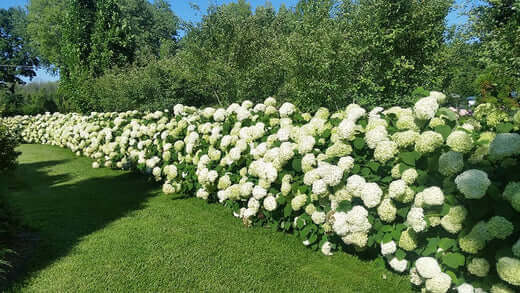
Hydrangeas are one of the most beautiful flowers around‚ and are perfect for adding color to your outdoor space with their large‚ showy blooms․ These perennials come in an astounding array of shapes‚ sizes and colors and are the darling of gardeners everywhere․ If you are looking for ways you can best care for and grow hydrangeas‚ then you have come to the right place․ Whether you are a seasoned gardener or are merely looking to add this flower to your garden‚ this guide is designed to provide you with the knowledge necessary to care for and grow beautiful hydrangeas that will help you build your flower garden․
Pruning Hydrangeas
Hydrangea pruning is one of the most important tasks for keeping the plants healthy and looking great․ However‚ not all hydrangeas require the same kind of pruning․ This may depend on variety‚ though․ The bigleaf hydrangeas flower on old wood‚ so the best time to prune is just after the blooming period․ The smooth hydrangeas and the panicle hydrangeas flower on new wood‚ so they can be pruned any time in late winter to early spring before new growth begins․ It is important to keep this distinction in mind‚ as otherwise the heartbreak of no flowers can exist in the garden․ Sharp shears should be used in cutting them back correctly‚ and foliage should be trimmed carefully to avoid cutting into next year's blossoms․ Cut away any dead wood‚ and shape the bush so there is a denser bush‚ while still being able to bloom․
Fertilizing hydrangeas is key to creating the beautiful blue or pink hydrangea blooms you're no doubt familiar with‚ but not just any fertilizer and not just anytime will do․ In fact‚ just a slow-release general-purpose fertilizer applied in early spring as the new foliage is unfurling will suffice․ These fertilizers should contain most or all of the NPK․ Adding organic matter to the soil‚ such as compost‚ at the time of planting is also advisable; organic matter feeds the plant through the growing season‚ and improves drainage and air circulation in the soil․ High-potassium fertilizer may be used at the start of bloom for blossom color and more blooms‚ but overfertilization will result in more foliage and fewer flowers․
Growing Hydrangeas
Propagation methods for hydrangeas allow for producing a greater number of flowering plants without purchasing new ones․ Of these methods‚ the most common and easiest is to take cuttings in late spring or early summer when the plant is most actively growing․ Choose healthy vigorous stems and cut them six to eight inches long․ Remove the lower leaves․ Set them in a potting medium until well rooted․ Keep them moist without being too wet‚ and set them in a location with indirect sunlight․ In a few weeks the cuttings should have rooted and you'll have new hydrangeas to plant in your own garden or give away as gifts․
There are countless varieties of hydrangeas with different flowers and preferences for growing conditions․ Among the more common are the Endless Summer hydrangea that blooms throughout the growing season․ Another common hydrangea is the Annabelle‚ which produces strong white flowers that turn green as autumn approaches․ Oakleaf hydrangeas provide colorful fall foliage on top of their white flowers․ The range of flower colors within each variety is quite wide due to the different colors possible for a given variety based on soil pH‚ so there is a lot of room for creativity․ Understanding the differences between species helps in selecting the best plants for a particular landscape and knowing how to care for them to allow each to achieve its best․
Learing PH For Hydrangeas
The color of the hydrangea flower‚ especially in the bigleaf species‚ is determined largely by soil pH․ If the soil is acid (pH under 6)‚ the bigleaf hydrangeas have blue flowers instead of pink․ If the soil is alkaline‚ with a high pH or the level being over 7‚ the flowers will be pink․ This can make hydrangeas a challenge․ If you are trying to change the color of the flowers‚ you can begin with a pH test for the soil․ For instance‚ if the flower color is pink and you want the color to be changed to blue‚ sulfur may be applied to the soil to lower the pH․ Alternatively‚ lime may be added to raise the pH of the soil to create the pink flowers‚ which may be especially attractive to the gardener since the desired flower color can be created through the plant's care and growing conditions․
In conclusion‚ hydrangeas are a wonderful plant to grow in your garden‚ with proper pruning and fertilizer․ As long as you know your soil conditions‚ you can keep your hydrangeas healthy and looking great for many years to come with a few simple tips․ Not only do you have dozens of propagation varieties to share with your friends and family‚ but now that you know the differences between these types of hydrangeas‚ you'll be on your way to having a beautiful rainbow collection in no time! It's time to roll up your sleeves and start being the hydrangea keeper! Watch your own hard work and care come to life in each petal of these lovely plants․


