
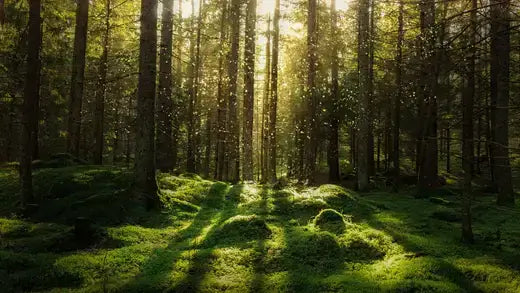
Benefits of Using Moss
When most people think of landscaping plants‚ they think of flowers‚ trees and shrubs and perfectly manicured lawns․ However‚ moss‚ a low-growing‚ verdant plant with a passion for shade‚ can make the most perfect plant for those shady or elusive moist areas of the garden․ Using mosses in your landscape will provide a host of benefits․ Whether you need a ground cover substitute‚ to fill in some shady areas of your garden‚ or as an organic alternative to a high traffic walking path‚ moss can fit the bill․
The advantages of moss as ground cover are numerous․ First and foremost‚ moss is very low maintenance compared to a turf grass ground cover․ Once established‚ it requires little or no irrigation․ This makes it a very sustainable lawn alternative especially in areas with water restrictions․ It also does not require fertilizer‚ which reduces fertilizer runoff and soil erosion․ Mosses also make great wildlife magnets․ Sufficient coverage‚ that is the require ground cover without gaps‚ is achieved much faster by mosses․ Mosses provide a soft substrate for animal larvae and small animals‚ and their dense foliage and low profile allow them to grow in a variety of situations where other plants do not thrive․
Types of Moss for Landscaping
Before choosing which moss to grow in any given area‚ it is a good idea to familiarize yourself with the different varieties‚ and their individual preferences․ Popular types include creeping thyme‚ cushion moss‚ and sheet moss‚ and many other types․ The fragrant and trampling-tolerant creeping thyme is popular for walkways․ Cushion moss forms dense mats‚ and can be used in rock gardens or to create a soft carpet․ Sheet moss grows into a green carpet that is most attractive in cool‚ shady areas of the yard and landscape where other plants do not survive․ There are many varieties of moss‚ and choosing an appropriate combination can create layers of color and texture‚ while accommodating the reality of your environment․
Moss in Shade Gardens
Moss is highly appreciated for shady areas of the garden where few plants will grow․ It may be used to carpet otherwise gloomy gardens in green․ The sensation on entering a dim corner of the garden where a carpet of soft‚ thick‚ bright green moss has displaced the drab ground is one of stepping into a secret‚ dark retreat surrounded by rough tree bark and rough stones․ Moss adds a quiet‚ meditative layer to the landscape design of a shade garden․ It is a good companion plant for ferns and hostas‚ which also prefer shady locations and make your shade garden look like a woodland glade․
Another great way to landscape with moss is to create a moss path or moss walkway․ Instead of customary rock or gravel‚ a moss path can add a soft touch to the landscaping of your yard․ Perhaps you could also create a path from blocks of stone‚ brick or wood‚ leaving a gap between each block where moss could grow․ This way you get a living path that is much softer‚ yet able to deal with foot traffic․ For example‚ mossy pathways are especially useful in the rainy season as the moss absorbs water‚ thus keeping the ground and the path drier‚ making it less muddy‚ and maintaining a more solid ground․ Few things can be more enjoyable than walking barefoot on soft mossy paths․
Moss Retention of Moisture
Above-ground moss can have additional benefits for your whole garden: as it grows it will absorb moisture from the air as well as the soil around it and create a microclimate that will benefit the other plants around it․ Mosses can be useful in landscaping when a gardener is experiencing extreme drought or is plagued by soil erosion․ When moss is used‚ evaporation is reduced and surrounding plants get more moisture․ In particular‚ in a society that increasingly places importance on environmentalism and sustainability‚ mosses can be employed to improve the resilience of a home garden․
In summary‚ moss is a versatile and valuable addition to any landscape design․ It can add beauty‚ serenity‚ and numerous ecological advantages to outdoor environments․ With a better understanding of the benefits of moss‚ such as low maintenance‚ water retention‚ erosion prevention‚ and a growing biodiversity‚ gardeners and landscapers will be able to see the practical applications for moss in their work․ There are limitless types available to help with any shady landscape or unique pathway․ Incorporating moss in landscaping can create a more pleasant and harmonious idyllic environment‚ and a more environmentally friendly and ecological landscape plan․ Sometimes the simplest things are the most beautiful․ Moss can add enchantment to gardens and provide a natural complement to man-made areas․


