
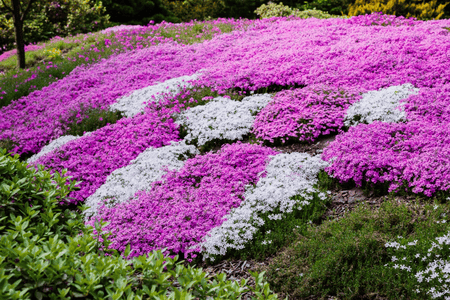
Vine plants are excellent for beginners who want to see quick growth, while Ground Cover plants naturally fill empty places and keep bugs out. These plants are great for farmers who wish to have low-maintenance gardens that are easy to care for and spread quickly. If you learn the correct way to plant, your plants will grow strong roots and healthy leaves over time. Your garden will look great if you space the plants correctly, water them regularly, and choose the right location. This easy-to-follow guide for beginners includes trusted TN Nursery choices like Vinca Minor to make starting your garden fun and easy.

Why Vines and Ground Covers Are Beginner-Friendly
For new gardeners, vines and ground covers are great because they grow quickly and don't mind if you make a mistake. Many people who are learning to plant vines enjoy how easily they can climb walls, fences, and trellises. Ground covers collection are great for beginners who want to see results quickly without much work. They excel as ground-covering shade plants, filling in areas where grass struggles to grow. Planting ground cover plants also keeps the soil moist and reduces weed growth. Once they are adequately planted, these plants will spread themselves, saving you time and work and making your garden look nice.

Choosing the Right Location for Spreading Plants
For vine plants and Ground Covers plants to grow, choosing the correct location is key. First, check how much sunshine there is. Some plants do better in full sun, while others do better in some or all shade. The ground should drain well but still hold water.
Vine plants often require a support like fence, wall or trellis. Put them close together so they can reach something as they grow. Avoid so many plants together because Ground Covers plants need room to grow. Check out the sloped or empty areas that could be prone to erosion. Ground Covers plants will keep the soil in place and stop water from running off.
Remove the weeds and break up the soil before you plant. Adding compost to the soil improves it and helps Ground Cover plants grow faster. If you pick the right location, your plants will grow better, cover more ground and stay beautiful with little care.
How to Plant Vines vs Ground Covers
| Feature | Planting Vines | Planting Ground Covers |
|---|---|---|
| Purpose | Grows to climb and cover vertical spaces like fences or walls | Grows to spread across the soil and cover bare ground |
| Planting Location | Planted close to a trellis, fence or wall for support | Planted in open areas where they can spread freely |
| Hole Size | The hole should be slightly wider than the root ball | Hole should be shallow and wide enough for roots |
| Spacing | Planted closer together since they grow upward | Spaced evenly to allow natural spreading |
| Support Needed | Requires support such as trellises or posts | No support needed |
| Growth Direction | Grows upward and outward as it climbs | Grows outward along the ground |
| Mulching | Mulch helps retain moisture and protect roots | Mulch reduces weeds and keeps soil moist |
| Watering After Planting | Water deeply to help roots settle | Water thoroughly to improve the spreading of roots |
| Overall Goal | Vertical coverage and visual height | Dense, low-growing ground coverage |
Watering and Care After Planting
Give the plants plenty of water right away to help the roots settle in. For the first few weeks, keep the soil wet but not soaked. Most plants and ground covers don't need to be watered as often once they're established. Putting down mulch helps plants retain water and keep young roots safe.
Step-by-Step Planting for Beginners
It's easy to plant ground cover and bushes if you follow clear steps and start by planting climbing vines correctly. By properly preparing the soil, you can help roots settle quickly and encourage strong, long-lasting growth.
-
Choose a best planting location
Choose a location that gets the right amount of light for the plant. Some plants like Periwinkle Plants do better in shade, while others do better in full sun. Wherever you want to grow, you should put down ground covers. Make sure that many people don't walk on the area so new plants can grow without being stressed. -
Make sure the soil is ready
Break up the earth to let more air in and help the roots grow. Get rid of weeds, grass and other competing vegetation. Adding compost to the soil and improving drainage with compost helps plants and ground covers take hold faster and get stronger over time.
-
Make the hole the right size
Make a hole that is just the right depth and width for the root ball. The plant should be flat on the ground. The right hole size keeps roots from going too deep and encourages them to spread out rather than go around in circles. -
Place and position the plant
Carefully place the plant in the hole and sort it out before adding soil. Vines should be pointing a little toward the support. Ground Cover plants should be spread out properly so they can spread naturally without crowding out nearby plants.
-
Fill in and pack down the soil
Fill the hole with soil and lightly press down on the bottom to get rid of any air spaces. Do not squish the soil too much. The plant stays straight when the earth is firm, but water and nutrients can still get to the roots. -
Use a lot of water after planting
Give the soil a lot of water after planting to help it settle and get roots growing. If you give roots a lot of water, they will grow down and outward. For the 1st few weeks, it's important to keep the moisture level steady so that the plant can grow well.
-
Apply mulch for protection
Use fertilizer to keep the soil wet and keep weeds from growing around the plants. The dirt stays at the right temperature with mulch, and young roots are kept safe while plants get used to their new home.
Conclusion
Zone 8
When you plant Running cedar or any other plant and ground covers correctly, they grow strong and spread evenly across the garden. If you correctly put things together, the roots will grow faster and the plants will stay healthy over time. For long term growth, it's main to know how to add space in plants, prepare the soil and water them. These plants like Periwinkle Plants, are great for filling in empty areas, removing weeds and creating a setting that requires little work. TN Nursery offers plenty of choices that are easy for beginners to use, making planting enjoyable and simple. With the proper care, vine plants will add beauty while requiring little work for both new and experienced growers.
FAQ
What are the easiest vines and ground covers for beginners?
It's easy to grow and doesn't need much care: Vinca Minor (periwinkle) and running cedar.
What is the easiest ground cover to grow?
It's easy to spread, and Vinca Minor does well in many situations.
How fast do ground covers spread after planting?
Once roots are set, most start to spread during the first growth season.
What soil is best for vines and ground covers?
The best soil is loose, drains well, and has compost put to it.
How to plant a vine in the ground?
Make the hole bigger than the root ball, place Cedar the same depth, and give it lots of water.
Can vines and ground covers grow in shade?
Yes, many types are great for covering the ground and providing shade.
Does TN Nursery ship vines and ground covers safely?
It is true that TN Nursery carefully packs plants to ensure they are delivered safely and grow well.


