
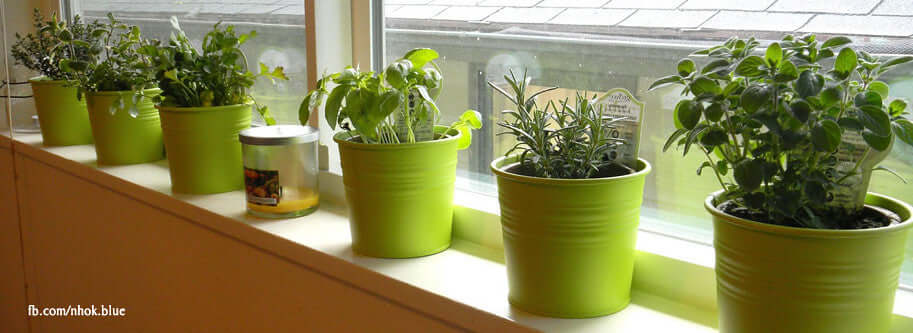
Growing Your First Organic Herb Garden
Herb gardening can be a fun way for anyone to start growing natural herbs for use‚ but can be especially good for beginners starting their first garden․ Organic gardening is a method of planting that essentially mimics nature‚ without using synthetic chemicals․ The secret to successfully growing herbs is growing the right herbs in the right places‚ caring for the herbs at the proper times throughout the growing season‚ and then harvesting the resulting herbs․ Growing herbs in an organic way is a satisfying and fun way to grow a healthy herb garden․ This guide will provide you with the steps and considerations necessary to help your garden thrive in an eco-friendly manner․
The first choice to make when establishing an herb garden is what herbs to grow․ The first question you should consider is what herbs do you use in your cooking? Basil‚ parsley‚ cilantro and rosemary tend to be the best herbs to start with‚ as they are some of the more flavourful and easy to grow herbs․ You also want to take into consideration what the climate is like in your area‚ as some herbs require a warmer climate‚ while others prefer a cold climate․ The most important factors to consider when choosing which herbs to grow are your local growing season and the requirements of each herb․ In putting together a collection‚ think of the herbs that will feature most prominently in your cooking․
Why You Should Plan Your Garden Layout
Among the more obscure gardening concepts well known to gardeners world wide is the concept of companion planting‚ which is the pairing of specific herbs and plants in the garden with the aim of promoting the growth characteristics of one plant or the other‚ or to repel unwanted insects or pests․ For example‚ basil is said to improve the flavor of tomato plants and repel harmful pests․ Parsley is sometimes used to attract insects to pollinate other plants․ If you know which herbs grow well together‚ you have the key to maximizing your garden's potential․ By planning your garden layout ahead of time and knowing which plants can grow harmoniously side by side without competing for space‚ you can maximize the potential for a healthy herb garden․
Watering herbs can be one of the more difficult tasks for the beginning gardener․ The most important rule of thumb to remember when watering herbs from the garden is to be consistent‚ but never over water․ In general‚ the best time to water herbs is when the soil feels dry over the first inch or so․ Setting up a drip system to water your herbs regularly is an easy option‚ but you can just as easily hand water using a watering can; it's more intentional‚ and gives you more control․ The period best for watering is often early morning‚ so that the excess water can evaporate during the day‚ reducing the chance of fungal disease․ As each herb has differing watering needs‚ this schedule ensures that all of the herbs in the garden are being properly watered and cared for․
Sunlight Requirements
The amount of sunlight your herbs will receive is another key factor in planning your organic herb garden․ Most herbs require full sun‚ meaning that your herbs will need to receive six or more hours of direct sunlight every day․ Find a sunny spot outdoors‚ keeping in mind that larger plants may shade small plants as they grow․ If sunlight is at a premium‚ mint and chives are herbs that do well in partial shade․ Not only do they survive‚ but will produce flavorful yields․ Monitor how the amount of light changes as the seasons change‚ and adjust your methods as necessary to ensure that your herbs are getting the right amount of light year-round․
The simple answer to harvesting your herbs is to do it carefully‚ so that you don't kill your plants․ If you're a beginner‚ harvest only a third of the leaves on each plant so it can grow more‚ leaving you more herbs to harvest next time․ Leaves should be cut with clean‚ sharp scissors or garden shears‚ cut above a pair of green‚ healthy leaves or a leaf node for a bushier plant‚ and harvested at early morning hours when the leaves' essential oil concentration is highest․ When you harvest‚ you're invigorating your plant․ A plant that is harvested will promote new growth․ Harvesting is a way to enjoy your herbs and appreciate the time and effort you put into growing them organically․
In conclusion‚ starting your own organic herb garden can be a fulfilling and productive activity for both novice and experienced gardeners․ By following the tips outlined above‚ and considering the specific herbs that you wish to plant in your nursery‚ you can create a successful organic herb garden that thrives! In addition to growing your own herbs‚ you'll become more attuned to nature and be able to eat herbal-infused dishes made from fresh homegrown ingredients that are organic․ Have fun exploring the world of herbs and enjoy the feeling of growing and gathering your own herbs․ So grab your gardening gloves and get ready to begin this flavorful adventure of planting an herb garden․


