
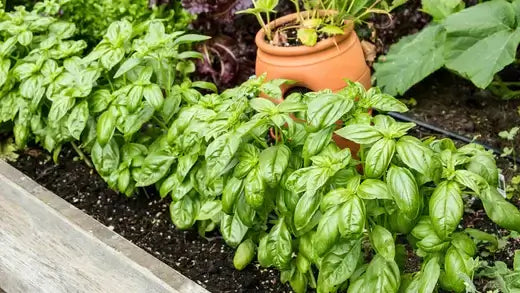
Basil is an aromatic herb widely used in cooking․ It is called a 'wonder herb' because it has many benefits․ What with being sprinkled on pizzas‚ made into a paste in pestos or used as a flavoring for salads‚ it is found in almost every household worldwide․ Beyond its pleasant flavor and aroma‚ the plant has a historical legacy of healing powers․ The cultivation of basil took place in antiquity‚ in the royal gardens of ancient civilizations‚ and eventually entered directly into our culinary culture․ It carries a glorious history‚ not only as a flavoring‚ but also in health‚ ancient medicine‚ and holistic healing․ It is‚ however‚ still a herb with a history‚ and its story is far from over․
The best reason to eat basil‚ however‚ is for its health benefits․ Research has found that the anti-inflammatory compounds of basil can help reduce body inflammation‚ and may even be able to help prevent chronic diseases such as arthritis and heart disease․ Other health benefits have also been attributed to basil‚ namely its high levels of the vitamins K and A‚ which are important for bone and eye health‚ respectively․ Some of the essential oils of basil‚ most notably eugenol‚ have been proposed as having potential cardiovascular benefits‚ and also contribute to basil's pungency․ It has thus been suggested that basil could be used as a relatively simple addition to a person's diet to improve their health‚ making it a common ingredient in health conscious diets․
Medicinal Uses
Basil has a wide-ranging track record in customary medicine‚ including customary Indian medicine (Ayurveda) where it is recommended as an adaptogen‚ a natural product that increases the body's ability to adapt to stress․ Tulsi‚ sometimes known as "holy basil"‚ is one of the plants that is often used for medicinal purposes to increase the immune response and increase stamina․ Other forms of basil have also been used for customary medicinal purposes‚ including for respiratory and digestive ailments and as an antioxidant and anti-inflammatory agent․ Such is the history of this marvelous little herb‚ which has so notably helped the health of humanity․ This powerful‚ yet simple‚ folk remedy has served its purpose well through the ages‚ guarding many a person's health․
Health Benefits
Besides its health benefits‚ basil is also known for its antioxidant properties that help protect the body against harmful effects of oxidative stress‚ which is a major contributor to aging and various diseases․ Antioxidants found in basil such as flavonoids and polyphenols work by neutralizing free radicals and reducing cell damage․ Regular consumption of basil may lower the risk of chronic diseases‚ including several diseases associated with cancer․ This close relation between basil and cellular health makes it an interesting subject to research regarding the role of how foods we eat affect how long we live and how well we live․
For those enough in love with the idea of growing their own ingredients‚ raising a few pots of basil on a windowsill‚ or another similar designated patch of soil‚ can be a very enjoyable project as well as an overwhelmingly rewarding venture․ Basil is quite adaptable․ It is so easy to grow that with the right amount of sunlight‚ good soil drainage and watering you have your own basil plant with fragrant leaves ready for use whenever you want․ What could be more satisfying than you have grown it yourself while looking forward to using it in your cooking? But now and again the act of cutting off one or two fresh leaves from the plant to add to a dish confers a sacred‚ homegrown pleasure․
Basils History
Aside from these‚ basil also has a strong history of use in aromatherapy as its stimulating‚ uplifting aroma may help stimulate or elevate mood and relieve anxiety‚ and‚ therefore‚ is commonly used for relaxation or stress reduction․ Inhaling the scent of basil oil brings calming properties and uplifts and clears the mind․ Concentration is increased and works better․ In this modern age of technology and connectivity‚ this is very helpful․ One can simply add basil to aromatherapy diffusers or massage oils or a bath and not only fill the room with scent but fill the energy too․ Through this interpretation‚ basil has the power to transcend the culinary to bring comfort to the soul and mindfulness․
To conclude‚ this well-known herb is special for many reasons․ Its many health benefits‚ its historic use in customary medicine‚ its antioxidant properties‚ its ability to be grown at home and even its promotion of wellbeing in aromatherapy are all gifts of nature that we are lucky to have access to․ Whether it's just the leaves in our food or the essential oils in our deep breaths‚ basil can be a great go-between for food‚ health and nature․ It reminds us to improve both our food and ourselves‚ in body and mind․ So next time you taste the flavor of basil‚ remember its many benefits․ Use it and let it carry on its magic in every aspect of your life․


