
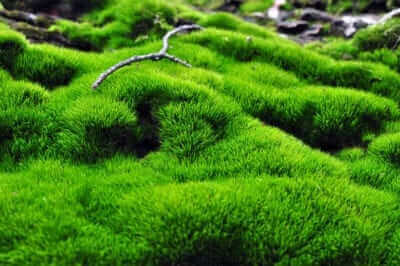
Creating Your Eco-Friendly Moss Garden
Moss gardens‚ with their natural‚ low-maintenance charm‚ are a great way to create a plant garden with minimal effort or expense that also reminds us of the beauty and fragility of nature․ If you're looking for a simple yet delightful plant garden‚ consider giving a moss garden a try! Moss gardens require little maintenance and resources‚ and can grow in a large variety of conditions․ They can be used in a number of ways‚ as a shaded area‚ a garden path or passage‚ or focal point in a larger garden․ Creating a moss garden can be a fulfilling part of an environmentally responsible garden while also adding to its visual appeal․ In this guide‚ the essay explores how to create this 'green oasis' within your home and how to grow moss properly in a way that will thrive․
As with any type of garden‚ the first consideration involved in developing a moss garden is choosing what moss species to grow․ There are many types of moss‚ and their growing conditions can vary considerably․ Cushion‚ sheet‚ and golden mosses are all versatile‚ but you should observe the light and moisture conditions of the area you want to use the moss in․ Some mosses can tolerate shade‚ while others do better in sunny situations․ You can collect moss from your area with permission‚ or purchase moss from a native plant nursery․ The most suitable moss species would be one that grows in your climate‚ fits into your local ecosystem‚ helps to promote biodiversity‚ and does not require agrochemicals or fertilizers․
How to Prepare the Soil for Moss
Once you have your moss‚ the next step is to prepare the soil․ Moss does not need soil‚ but needs a substrate that maintains moisture but has excellent drainage properties․ First of all‚ get rid of any twigs‚ grasses‚ weeds‚ and other plant matter in the area where you want to create your garden․ If you want to have a more controlled look to your moss garden‚ you can also add sand or peat moss to the area where you wish to plant your species․ Moss prefers a slightly acidic environment‚ so if you need to‚ you could always buy a simple pH kit from the garden center to check the pH of the soil․ You are well on your way to making your garden a green carpet if you can create the environment that moss requires to grow and flourish․
Remember that watering moss is different than watering other plants․ Moss needs very little nutrients and absorbs water differently than plants․ Moss is usually tougher and can go longer without water than most plants․ If you give it a good soak when you first plant it‚ that's all the watering it usually needs․ Water moss gardens heavily the first time you lay them down․ Water continuously after that so that the moss creates a healthy strong bond with its substrate․ Water well during dry spells‚ or if your moss garden is in a particularly difficult spot for sunlight․ However‚ if it becomes too wet‚ this can lead to algae or other problems‚ so a spray bottle or a light mist from a hose may be a more effective way to maintain humidity․ The best sign of when to re-water the moss is to see if it is clearly wilted or discolored‚ as a quick misting will quickly revitalize it․
Mosses are Low-Maintenance Plants
The primary task is to keep weeds out of the moss garden․ A weeded moss garden is generally healthier and more attractive than an unweeded one․ Mosses are small and low to the ground‚ so it is easy for other plants to invade‚ compete for moisture‚ and nutrients․ This moss can be cut back periodically to keep it tidy‚ and debris can be removed to allow for more consistent growth‚ as moss is only able to take in water and nutrients through the surface of its leaves․ Leaves that fall on the moss should be removed․ Regularly checking the area can be helpful‚ so that problems can be quickly rectified to maintain a healthy moss garden․
Ecologically‚ moss gardens can be an important food resource for small animals such as insects‚ frogs‚ and other invertebrates and contribute to the overall biodiversity within an area․ Moss gardens also provide habitats that support several ecosystem services‚ such as the retention of water and stabilization of soil to prevent erosion in areas where moss is abundant‚ contribute to air quality․ Creating a moss garden can help you to create an ecological balance‚ adding a touch of nature to your home․ The calming nature of the function of the moss garden can also help you‚ if you are someone who tends to get stressed out from time to time․
A moss garden can be made by choosing the right moss or mosses‚ preparing the soil‚ watering‚ and caring for the garden․ Once the appropriate mosses have been chosen‚ the soil has been prepared‚ and the mosses have been watered‚ a beautiful moss garden can be created that is good for the environment․ We celebrate these beautiful species with interest‚ but we are also participating in the stewardship of the local environment‚ enjoying the process of creating a unique ecosystem in our own backyards that may be enjoyed for years to come․ So gather what you will‚ choose your moss carefully‚ and start your moss garden!


