
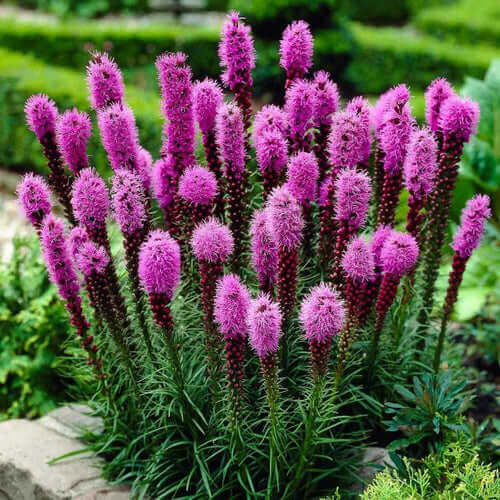
How Perennial Plants Improve the Soil (And Which Ones Work Best)
Perennials create permanent root structures that aerate and improve the soil‚ preventing erosion and building up the soil in a way that annuals cannot‚ since the latter die and have to virtually start from scratch each year․ If you think a patch of established perennials feels softer‚ lusher and more layered than a tilled annual garden‚ that is not your imagination․ But that's just biology at work‚ and it takes place over years‚ not weeks․
The Root System Difference That Changes Everything
Annuals are plants that germinate‚ grow‚ flower‚ set seed‚ and die in a single season․ Their roots grow rapidly‚ but are mostly shallow and short-lived․ In perennials‚ roots in older individuals can live five years‚ ten years‚ 20 years‚ or more, depending on the species‚ and that is precisely what makes them so valuable underground․
By contrast‚ here in the USDA zones 6b through 7b of Tennessee‚ perennials such as coneflower‚ black-eyed Susan‚ and other native asters push their taproots to two feet by their third year and some four feet or more down into the soil‚ while tomato roots‚ often only 18 inches or less long‚ die with frost․
That deep‚ permanent‚ and wide-ranging root mass accomplishes several things:
Roots also provide structure‚ as they open channels in the compacted clay and heavy sedimentary soils of Middle Tennessee's red clay belt․ Water and air circulate in these channels long after the roots die back for the season‚ effectively engineering better drainage without you lifting a shovel․
It feeds soil biology․ The roots do not just take from the soil: they exude sugars and other carbon-based compounds that feed the bacteria and fungi in the rhizosphere․ That pattern continues‚ so that in a first-year perennial bed‚ there may be a small amount of microbes‚ but by year three‚ that microbial biomass in that bed is dramatically increased‚ unless you are tilling the bed very aggressively․
It holds everything together․ It's got a massive root system․ Think rebar in concrete: perennial groundcovers and grasses can hold soil in place on any slope or erodible land (and we see quite a bit of the latter in Tennessee's hillier sections) much better than bare soil, or ground tilled each year․
Why No-Till Matters More Than People Think
One of the great advantages of perennial planting is that‚ if you do it right‚ you don't have to dig that soil over each spring․ That's more important than most garden advice recognizes․
By tilling or digging‚ you are destroying mycorrhizal fungus webs‚ killing earthworms‚ and exposing dormant weed seeds that will grow when sunlight reaches them․ Earth scientists call the special property of healthy soil under perennials aggregate stability: the soil stays clumped in stable crumbs rather than dissolving into a powder or compacting into a solid mass like a brick․ This supports the fungi‚ bacteria‚ nematodes and earthworms that make the soil a living ecosystem and not just inert dirt on which plants grow․
If you are converting a bed from annual vegetables to perennials‚ allow three growing seasons before an important improvement in bed infrastructure․ In the first year, you are mainly establishing roots․ By year two‚ biological activity increases․ By year three‚ most gardeners have observed the soil becoming darker and looser․
Cover That Actually Lasts
Bare soil dries‚ warms‚ and erodes․ Perennials avoid these problems: once established‚ they cover the ground annually‚ whereas annual plants do not have sufficient time to make these changes․
Many evergreen perennials (things like creeping phlox‚ certain sedums and other ornamental grasses) hold their foliage through the winter‚ and from January onward the soil beneath them is kept in relative shade‚ moisture‚ and protection․ For deciduous perennials that die back to the ground‚ leafing out by early to mid-April is the standard in the zone 7 climate of Tennessee‚ well ahead of the setting of most annuals․ Annual beds‚ by contrast‚ are not expected to be in full bloom until late May or June․
Seven Perennials That Build Soil Fastest
However‚ not all perennial species are equally useful as soil builders․ Some are more effective soil builders‚ mining for nutrients deep in the earth and amending surface soil with organic matter․
Comfrey is usually at the top of such lists․ The thick taproot dives six feet into the soil‚ mining potassium and calcium․ If the leaves are chopped two or three times a year and used as mulch‚ they break down quickly‚ returning those mined nutrients to the topsoil․
Yarrow spreads through rhizomes‚ and can thrive in poor‚ dry soil while improving the soil․ It is suitable for areas of clay-rich Tennessee prone to drainage issues․
Native asters and goldenrod have fibrous root systems that reach deeply into the soil‚ support many helpful soil microbes‚ and provide food to late-season pollinators
Daylilies are tough‚ low-maintenance perennials with thick tuberous roots that, in a few seasons, will break up compacted soil․
Native ornamental grasses, like little bluestem and switchgrass, have roots as deep as the plants are tall and can help in controlling erosion and aerating the soil․
Perennial groundcovers such as creeping thyme and sedums cover bare soil throughout the year and require little disturbance once established․
Though not common in Tennessee‚ rhubarb is well-suited for higher elevations in the state‚ and its roots deep in the ground do a lot to improve the soil over the years․
Building Your Own Soil-Improving Garden
At TN Nursery‚ we suggest starting with native perennials that have been cultivated for Tennessee's clay soil and moisture levels‚ rather than with hybrids of plants grown in nursery stock in other climates․ Native plants have evolved to thrive in Tennessee's clay soil‚ humidity‚ and moisture extremes․ They establish faster‚ are less needy in care‚ and do more of this work naturally․
If you have a small area or poor soil‚ try pairing aggressive soil builders like comfrey with ornamental perennials you'd want to look at‚ such as coneflowers‚ black-eyed Susans‚ or native asters․ Leave this bed undisturbed for three seasons, and you'll be amazed at the transformation not only of the plants‚ but the soil as well․
"

