
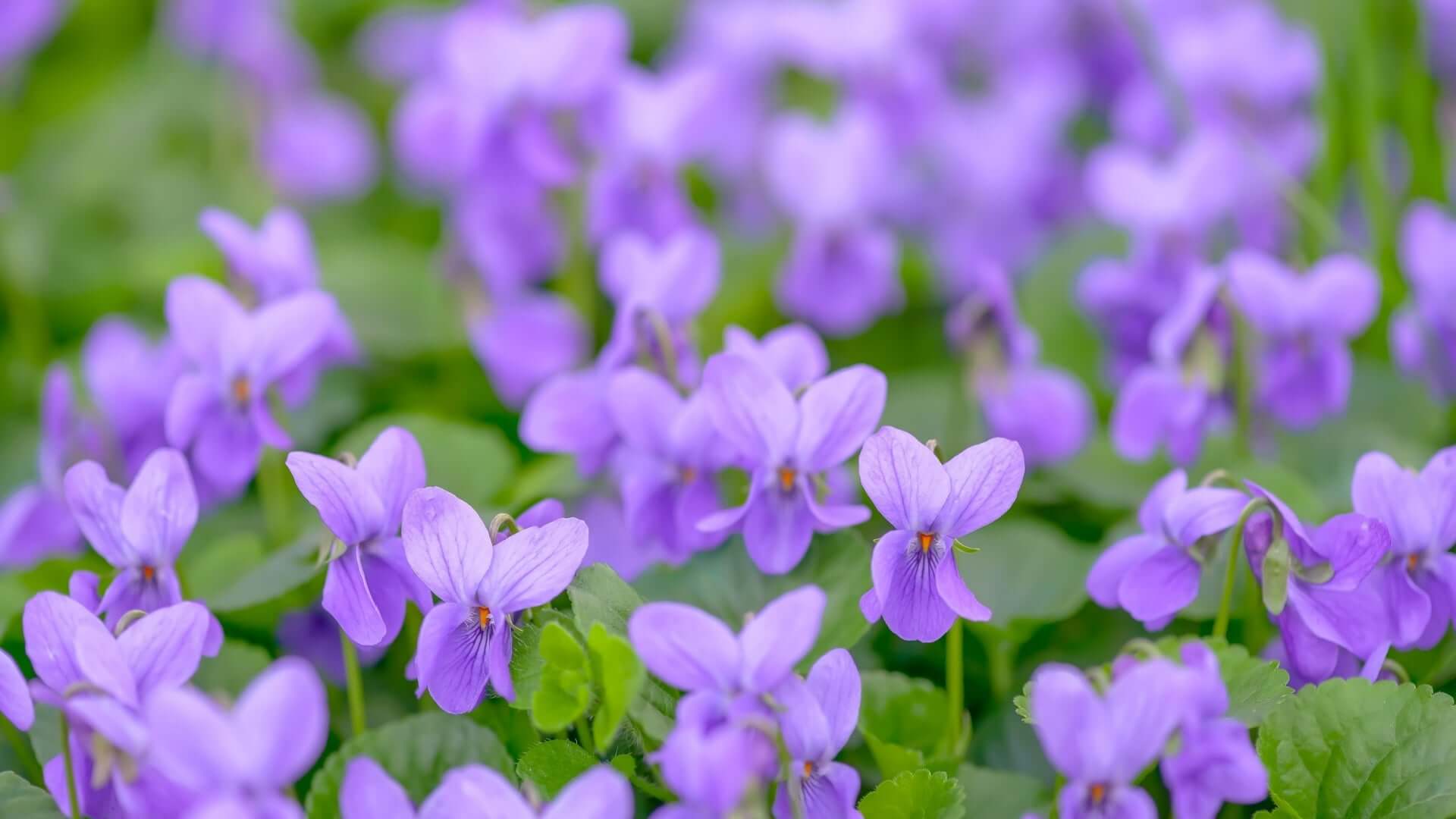
How to Grow Sweet Violet: Complete Care Guide and Planting Tips
The Sweet Violet (Viola odorata) is known to thrive in USDA hardiness zones four to nine․ Therefore‚ the entire state of Tennessee and almost all of the Southeast should be able to grow it․ Sweet violet is a perennial ground cover that thrives either in the dappled light of a forest's edge or in a shaded area of your garden․ A reliable perennial‚ once established‚ it will come back year after year with little effort on your part! This is the plant for you‚ if you have an area of shade where nothing else seems to grow․
Getting Sweet Violet Established
Like most violets‚ Plant Sweet Violet can be sown in early spring or the first part of early fall․ When sowing seeds‚ cool soil will assure the greatest degree of success‚ as freezing of the ground will not likely occur until after the violets have flowered in May․ For fall planting in Tennessee‚ violets have a full winter to become established before summer heat arrives․ Dig a hole double the width of the root ball‚ mix in some compost‚ then plant level with the surface of the soil in the pot․ If planting multiple plants‚ give space of 8 to 12 inches (20 to 30 cm) apart (they will fill in the gap soon on their own over one or two seasons)․
Water well on planting‚ and keep moderately moist for a few weeks until the plants become well established in their new position․ Sweet Violet generally requires little care for the first few weeks after planting, unless in full sun and in poor or dry soil․
Soil‚ light‚ and water needs․
This is not a plant suited to a hot‚ sunny planting bed․ Sweet Violet prefers partial to full shade‚ such as under a deciduous tree‚ a north-facing fence line‚ or taller shrubbery․ It can take a little more sun in cooler climates‚ but in Tennessee, it is burned too quickly by the hot summer sun in the afternoon and blooms poorly․
Sweet Violet prefers a rich‚ well-drained soil․ This should not be confused with dry soil‚ as Sweet Violet‚ like most woodland plants‚ prefers soil that is moist‚ such as the rich‚ damp forest floor where a thick carpet of leaves might amass․ The best pH is 6․0 to 7․0․ An area with heavy clay (common in Middle Tennessee) should be heavily amended with compost or leaf mold before planting‚ since the crowns will rot if water amasses around them․
Shredded leaves or fine bark mulch will retain moisture and cool the roots‚ as long as the mulch is kept away from the crown during hot weather․
It blooms from March to August and has heart-shaped leaves․
In most Tennessee gardens‚ blooms occur from late February to April‚ with a very slight chance of reblooming in the fall if the weather remains warm․ While the individual flowers are only about half an inch across‚ a collection of flowers bloom over a mat of heart-shaped‚ dark green leaves․ The scent is‚ shall we say‚ unique․ It is sweet and slightly powdery; it has been cultivated since ancient Greece for its use in perfumes and cosmetics․
Mature clumps are between 4 and 6 inches (10 and 15 cm) tall and 12 and 18 inches (30 and 46 cm) wide after two or three years․ If the plants are not moved‚ Sweet Violet can form large colonies through runners and self-seeding․ In a tidy bed it can be a nuisance whereas in the woodland garden or in a naturalized shade border it is a living carpet to suppress weeds and fill in those bare patches where no other ground cover seems to flourish․
Maintenance: What It Actually Needs
She does not require much attention‚ but a drink in July and August‚ usually the driest months‚ will benefit her‚ as the heat of the Tennessee summer can dry even shaded garden beds․ Deadheading spent blooms is not necessary‚ though it may tidy the plant and extend its flowering․
After several years‚ you can divide clumps by digging up the mat in spring or fall‚ dividing it up into smaller sections (using a garden knife or your fingers)‚ and replanting․ This keeps the plant vigorous‚ and you will have free plants to fill in other shady areas of your yard‚ or share․
Unless your soil is very low in organic matter‚ you usually don't need fertilizer‚ but a little compost in the spring makes it a lot lusher․ Avoid high-nitrogen fertilizer‚ which favors leaf growth over flowers․
Pests and Problems
Slugs and snails are the main garden pest to Sweet Violet‚ especially in the naturally cool and wet conditions․ Spider mites are a pest when weather is hot and dry for long periods and show that the plants need more frequent watering․ Root rot is most likely to happen when the soil is not just wet‚ but puddled and nothing drains․ If your bed does not drain well‚ consider raising it a bit or amending it aggressively before planting․
Since deer usually ignore Sweet Violet‚ this is an ideal plant for Tennessee property owners with woodlands‚ where deer pressure can be a constant headache․
What is sweet violet good for?
Sweet Violet is a popular garden flower․ The flowers have been used for centuries as a food and in herbal medicine․ They are edible‚ and can be used as a confection‚ in drinks‚ or as a flavoring for syrups․ The flavor they provide cannot be exactly matched by any other flower․ Traditional herbalists used the leaves and flowers to make herbal tea for coughs and sore throat‚ and used poultices of the leaves to treat minor skin irritation․
In addition to its rare beauty‚ Sweet Violet provides an ecological service to pollinators as one of the first sources of nectar for emerging bees in late winter and early spring when few blooms are available․ It can be planted with other spring bloomers‚ or shade-loving perennials‚ to act as a place for pollinators to rest as they move between plants․
Growing Sweet Violet In Your Garden
If creating your own shade garden or woodland edge‚ Sweet Violet can be planted with many different ferns‚ hostas, and other perennial groundcovers that will grow in wet conditions and shady areas․ Several species of shade-tolerant perennial plants and ground covers grow well in Tennessee‚ and producers like TN Nursery can provide you with many varieties of plants suitable for a complete shade garden․
Low maintenance‚ with great fragrance‚ early pollinator support‚ culinary applications‚ and effective ground cover‚ there are few shady spots in a Southeast garden where Sweet Violet does not earn its keep․
"

