
Hedwigia Ciliata Moss Cultivation: Complete Guide for Tennessee Gardens
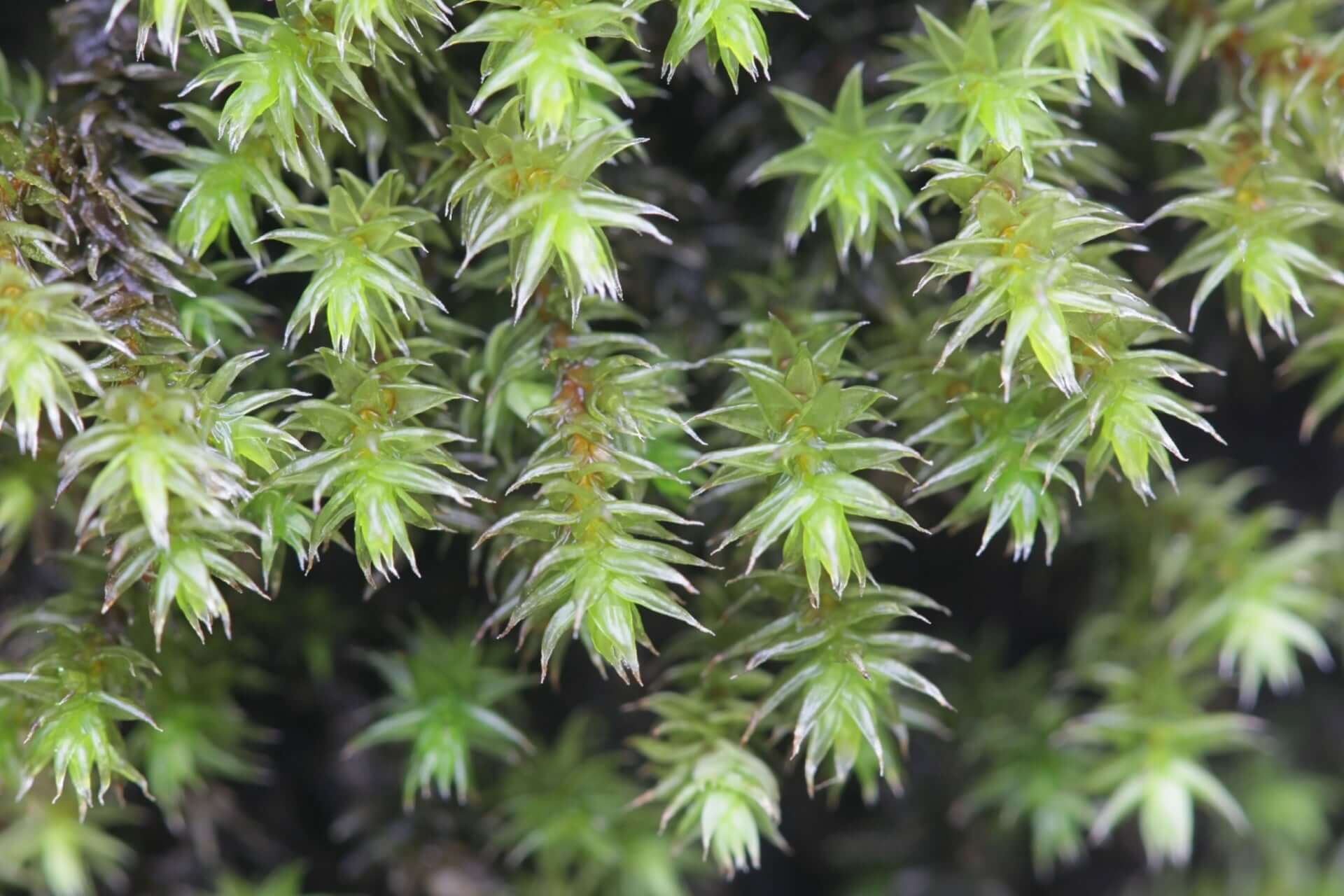
Hedwigia ciliata is a small cushion-forming rock moss that grows in silvery green tufts on boulders‚ stone walls‚ and compressed soil․ It occurs throughout most of the eastern United States‚ including all of Tennessee․ Easier to start‚ and more resilient to dry conditions than sheet or fern moss‚ these will grow on stone slabs or walls‚ and prefer less-than-rich garden soil underneath․ Consider this one if you need to promote moss in an area where you have exposed rock‚ old stone steps‚ or an exposed retaining wall․
Why Does Its Color Change Throughout the Season?
This is the question we get asked most‚ and it throws people off because they think it's dying‚ but it's really not․ It has a grayish-white point on the end of each leaf‚ which is what the word ciliata refers to․ A cilium means an eyelash․ In this case‚ it is a tiny hairlike projection that gives even healthy colonies a frosted look․
This moss in the bright olive green form is plump on a damp‚ spring day in Tennessee‚ and in the dark of a cool and moist spot becomes an almost emerald green; but if we have no rain for two or three weeks during July and August, it curls up and becomes dull yellow-brown․ That's not damage‚ that's the moss's survival mode! It's just pulling back its cell walls to retain water until moisture levels rise again․ If you give it a good soaking‚ you will usually see it begin to green back up again within 24 to 48 hours․ (This is actually one of the better ways to tell if a patch of moss is truly Hedwigia‚ or one of the look-alike species that don't recover the same way․)
Where It Will Actually Thrive in Your Yard
Hedwigia ciliata prefers some level of shade․ It grows on hard ground (ground that is not loose or wet) in neutral to mildly acidic soil․ In the conditions of Zone 6b to 7b of Tennessee‚ this usually means growing it on the north or east side of your house‚ on the side of a retaining wall that is shaded‚ or under large oak or maple trees․
The easiest way to kill a new planting is to expose it to full sun; some morning sun for an hour or two is OK and can improve the green․ However‚ four-plus hours of full summer sun will scorch the plant‚ particularly if the colony hasn't yet attached itself to the substrate․ If you have limestone‚ sandstone‚ brick‚ or even old concrete that is somewhat deteriorated‚ that will do just fine․ Hedwigia doesn't really do well on new concrete because the pH is too alkaline until it weathers for a year or two․
The ideal soil pH range is 5․5 to 6․5․ This works out well because most of East Tennessee's native clay soils are naturally acidic․ You can test the pH level of your soil using a simple test you can find at just about any garden store․ It takes a few minutes and is well worth doing before investing the time in transplanting․
Planting and establishing a new moss
Unlike sod-forming grasses‚ Hedwigia ciliata is not seeded‚ but is introduced by starting small patches or by simply patting down pieces of the moss where desired․ The following approach‚ however‚ actually works:
The surface must be free of debris‚ unwanted weeds‚ and moss clumps which are pressed against rock or soil․ If trying to spread out a moss area over a larger surface area‚ these clumps should be spaced 4 to 6 inches (10 to 15 cm) apart․ Gardeners often add a coating of buttermilk or a natural adhesive to hold the bits onto a vertical surface‚ such as a stone wall‚ though this is not needed on horizontal or slightly sloped rock․
Water new transplants daily for the first two or three weeks until established‚ taking care to use a soft enough spray to not wash the fragments out․ Once established‚ they may be watered two or three times a week during dry times․ Depending on humidity‚ it will take anywhere from 4 to 8 weeks for full attachment to occur․ Transplanting in spring and fall leads to faster rooting than mosses placed in summer's heat․
How fast does it spread?
Slowly‚ and that's usually a selling point rather than a drawback․ Under optimal conditions‚ colonies of Hedwigia ciliata grow outwards at a rate of half an inch to an inch per year‚ and they are dispersed by windblown spores as well as laterally from the edges of existing clumps․ It is not going to swallow your garden path‚ or invade your lawn the way some ground covers will․
The most expedient way to get a contiguous cover of wall or rock face is to divide a healthy colony into small pieces and transplant the pieces․ A colony of about the area of a dinner plate can typically be divided into eight or ten small colonies without harm to the original colony․
Care Through the Seasons
Fertilizer is not needed․ Mosses do not have true roots like vascular plants‚ and thus cannot absorb nutrients from the soil․ Nitrogen fertilizer from lawns is, in fact, one of the most problematic reasons for Hedwigia's failure to succeed in developed turf conditions․
In its native habitat of Tennessee‚ the moss tolerates winters‚ including freezing temperatures and light snow cover‚ with little effect․ It might not be dormant in the winter and can be a dull green color․ The primary concern with winter is ice-melt salt from pedestrian traffic or runoff; avoid locations adjacent to pathways treated with salt in the winter․
Pairing It With Other Plants
Hedwigia ciliata is particularly attractive with broad-leaved shade perennials‚ such as hostas‚ ferns‚ and heuchera, providing a beautiful textural contrast․
"

