
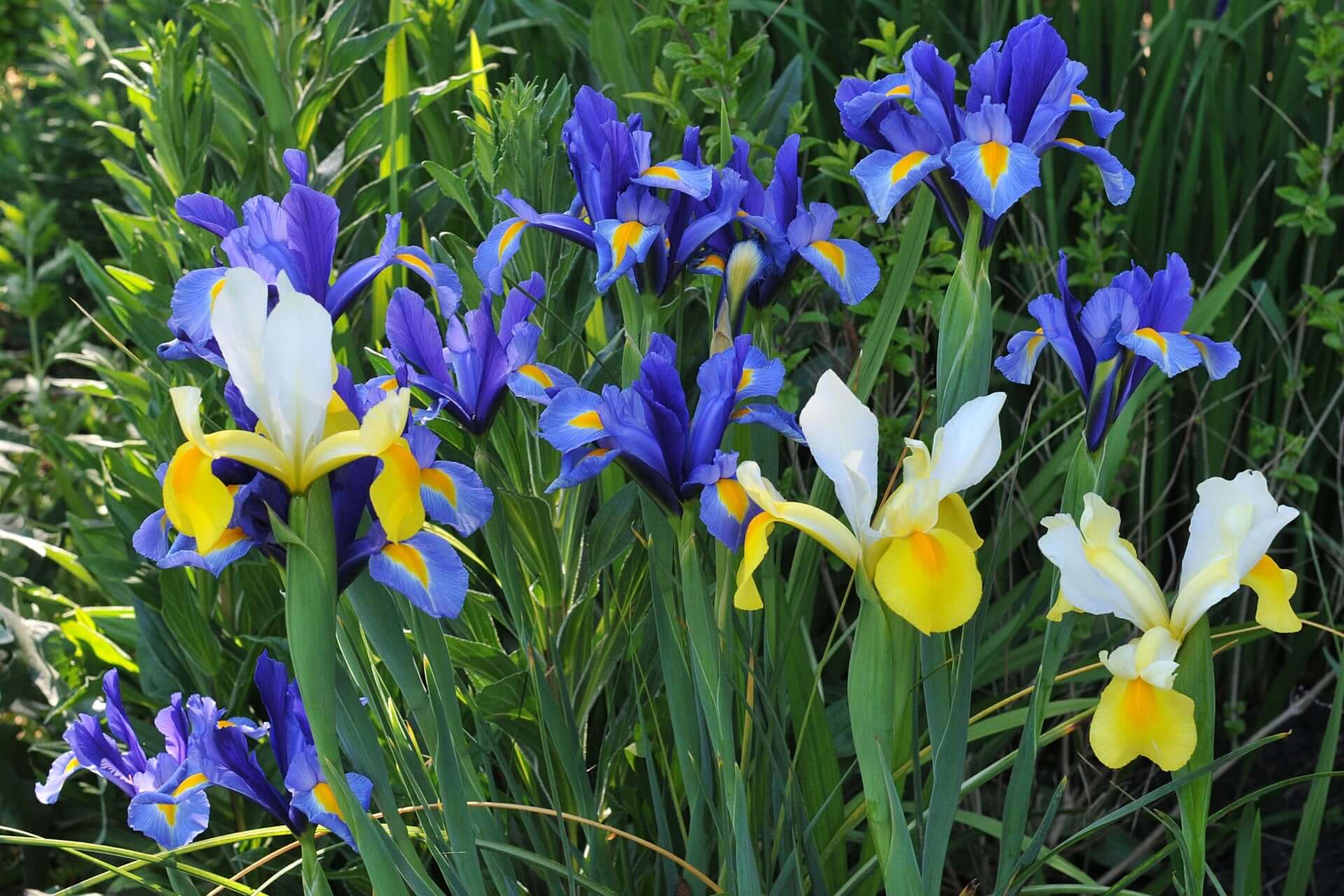
Growing Dutch Iris Rainbow Collection: A Full Guide to Planting and Caring
Plant Dutch Iris Rainbow Collection bulbs in the fall about six weeks before the ground freezes in a good-draining‚ full-sun location and look for loose‚ ruffled blooms in blue‚ purple‚ yellow and white in April or May․ Get your timing and your drainage wrong‚ however‚ and the bulbs never get the chance to flower before they rot underground․ That's really the whole story in a nutshell‚ but let's get into the details․
In the Rainbow Collection (not a variety but a mix)‚ you can expect to find bulbs that produce the old-fashioned indigo flowers plus yellow and bronze ones that have a flash of orange or white in the center․ They are 18 to 24 inches tall‚ with skinny‚ grass-like leaves․ The flower itself has that origami-like fold to the petals that sets iris apart from tulips or daffodils and makes such a beautiful cut flower that Dutch iris‚ in particular‚ are a florist's favorite!
When to plant Dutch iris bulbs․
While the ideal planting time is generally mid-September to early November for Tennessee and the Southeast‚ if you are in Middle or East Tennessee (zones 6a-7a)‚ October is the time for you․ In West Tennessee or protected areas in zone 7b‚ you can plant as late as early November․ However‚ you want to get the bulbs in at a time of year when the soil temperature at planting depth is in the 60s (preferably 60-65 degrees F) to develop good roots․
If you plant too early‚ when the ground is still too warm from summer‚ the foliage will sprout too soon and be killed by frost․ If the bulbs are planted too late‚ they will lack proper root growth to survive the winter or flower the following spring․ If the bulbs cannot be planted in the fall‚ some gardeners have had success planting extremely early in the spring‚ but the flower will bloom for less time and may not grow well its first year․
Plant the bulbs about 4 inches deep; some are difficult to tell which is the top․ Iris bulbs will right themselves if planted on their side․ Give them a light watering after planting to settle the soil․ Unless the fall is particularly dry‚ leave them to their own devices until spring․
How many bulbs should I plant together?
The advice of experienced gardeners is to plant five to nine bulbs per cluster: fewer than five will give a sparse look to the flowers․ Don't plant more than a dozen or so as they crowd the root zone and the flowers will be smaller in two or three years' time․ If you are planting a border with clumps of bulbs‚ allow 8 to 10 inches (20 to 25 cm) between clumps‚ so that each reads as a single visual moment․
Never plant them in prim and proper clumps‚ but rather as a casual drift of 15 to 25‚ spacing randomly‚ if you want a naturalized meadow look․ If you want an informal idea of where plants should go along a fence line or at the boundaries of a forested area‚ this is what to do․
Light‚ shade, and soil requirements
Dutch iris do best in full sunshine․ Six hours of sustained direct sunlight are required‚ as this is not a plant that tolerates deep shade and still performs․ In the hotter Tennessee summers‚ afternoon shade is advised‚ as the flowers drop very quickly (in one or two days) in hot weather․ In West Tennessee‚ and anywhere that receives the kind of scorching July sun it does‚ light shade in the afternoon and morning sun are a good compromise․ By then‚ the bulbs are dormant‚ and the aim is to protect the foliage that abuts them‚ and to cool the soil․
Soil is where most people go wrong․ Dutch iris are not fond of wet feet․ They prefer light‚ well-drained‚ loose sandy soil․ To make the heavy clay soil in Tennessee workable‚ incorporate large amounts of coarse sand and compost; a raised bed is preferred․ A slope or raised bed may be the ideal planting location‚ as gravity will help with drainage‚ but standing water for just a couple of days at any point during the winter dormancy period can be enough to cause the bulb to rot․
Care After Planting and Through Bloom
Once shoots appear in spring‚ water only if rainfall is insufficient․ These bulbs do not need much extra water‚ and tend to bloom better if not pampered․ Use a little bulb food (low nitrogen‚ high phosphorus) when shoots first appear to increase the size of the blooms‚ though good soil is adequate․
Try not to prune off the foliage immediately after the flowers have died‚ since the plant is still photosynthesizing and pumping energy back into the bulb for flowering the following year․ Wait until the leaves have yellowed and flopped‚ generally 6 to 8 weeks after flowering․ One of the main reasons that gardeners get a great first-year show‚ then nothing the following spring‚ is that they cut green foliage․
Dutch iris bulbs are not reliably perennial in northern states‚ where they are typically grown as annuals‚ but with adequate drainage‚ they perennialize in most areas of Tennessee‚ usually for 2 to 3 years‚ though bloom quality declines enough that it is better to replant then․
Where They Work Best in a Garden
Dutch iris forms tall‚ swordlike clumps‚ and so can keep vertical lines in a border‚ without overpowering shorter perennials․ So when combined with early-flowering perennials or ornamental grasses of any type‚ they fill the vertical space of the garden with lines of texture even after the flowers have faded․
TN Nursery recommends that the Dutch iris Rainbow Collection work wonderfully with our daylily and Siberian iris selections․ The bloom times of all three varieties slightly overlap‚ making for an extended period of color in the
"

