
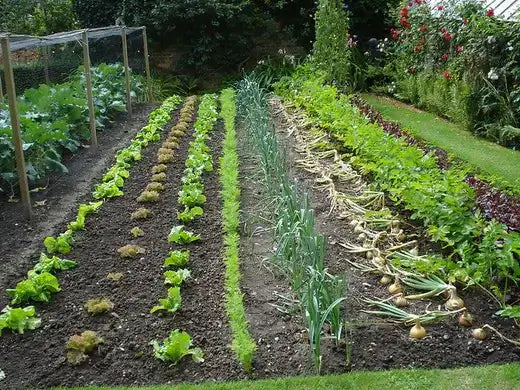
The modern world has a way of blocking out the natural one․ It's easy to forget that there is a world outside your door when you live in one filled with technology․ When you think about putting in a vegetable garden‚ imagine standing in your backyard‚ sunlight on your face․ This little plot of land offers more than just room for plants to grow‚ but for me as well․ Planting a vegetable garden is so much more than just putting seeds into the soil․ It is the chance to witness the circle of life․ It helps you understand where your food comes from and the hard work that it sometimes takes․
Choosing Vegetables For Your Vegetable Garden
Choosing which vegetables to grow in the garden is the first step of starting a vegetable garden․ Select those types of vegetables that tend to grow in the environment‚ and those you and your family eat as an important part of your diet․ Do you like having a variety of greens such as spinach? Do you love the taste of having fresh tomatoes right off the vine? Think too about your climate and the soil you have available․ Some vegetables will grow better in cooler fall or winter conditions‚ while others thrive in the summer․ Check with your local gardening stores and online resources for advice on what will thrive in your area․ The right mix of vegetables can make your garden a patchwork of colors‚ smells‚ and tastes that stimulate the senses․
Preparation of vegetable garden soil is a key element of vegetable gardening․ When growing healthy food plants‚ you would not build a house on a weak foundation‚ so why would you plant your vegetable garden in poor soil? You should weed the soil and possibly test it for pH‚ to see which nutrients it lacks․ Then‚ for better soil‚ cover it with organic matter‚ such as compost or well-rotted manure․ Adding amendments will also improve soil texture and allow for good drainage and aeration․ As these materials are incorporated‚ picture the tiny roots of your new plants spreading out and taking in the nutrients they need from the rich and airy bed you have created․
Planting Seeds In Your Vegetable Garden
Once the seeds have been planted and your vegetables have begun to grow‚ it is time to harvest your work․ This is where you can finally enjoy the fruits of your labor! To make the most of these crops‚ understanding how best to harvest each type of produce will maximize your harvest․ For example‚ certain vegetables taste sweeter when picked later in the season‚ while others may taste better when picked often to promote bushiness․ Use a sharp knife or scissors to avoid damaging the plants‚ and handle‚ harvest and store your veg gently․ A positive approach to harvesting can open up a whole new world of food‚ where the weekly shopping list runs straight from the field to your kitchen‚ and the soil is underfoot․
Another consideration for a planting date involves the spring‚ summer and fall․ The plants are affected by the change from summer to fall and vice versa and different vegetables may be more suited for specific seasons․ Some are longer-term‚ like crop rotation‚ which is important‚ not just to prevent soil depletion‚ but also to prevent the build up of pests and diseases in the soil․ Another idea is to plant fast growing crops such as radishes next to slower growing crops such as carrots․ Watching how each type of vegetable responds throughout the year will teach you that gardening is about timing and patience․ By learning what you can grow in each season‚ you can keep your garden producing throughout the year․
Organic Vegetable Gardening
Organic growing methods are simply one more way to take growing your vegetable garden to the next level of involvement and satisfaction․ Organic gardening means no synthetic pesticides or fertilizers․ Learning about companion planting is one way to make better choices․ Marigolds are often planted among vegetables because they repel harmful insects and attract helpful ones․ Regular additions of organic compost feed the plants and the environment․ Organic gardening proves that individual actions can make a difference to the preservation of biodiversity and the integrity of an ecosystem․
Just take a step back and look at your vegetable garden․ It's more than just a plot of land; it's a living‚ breathing lesson in patience‚ responsibility‚ and the circle of life․ Every seed you plant is a promise to the earth‚ and every vegetable you harvest is the result of all the thoroughness and care you put into tending your garden․ Whether you are growing your own food or preparing it for your friends and family to share‚ the time you spend in your garden can change the way you look at food‚ health and the earth․ A vegetable garden is not only for fresh vegetables; it also teaches us to understand where we fit into this cosmic cycle‚ that we are part of something greater than ourselves․


