
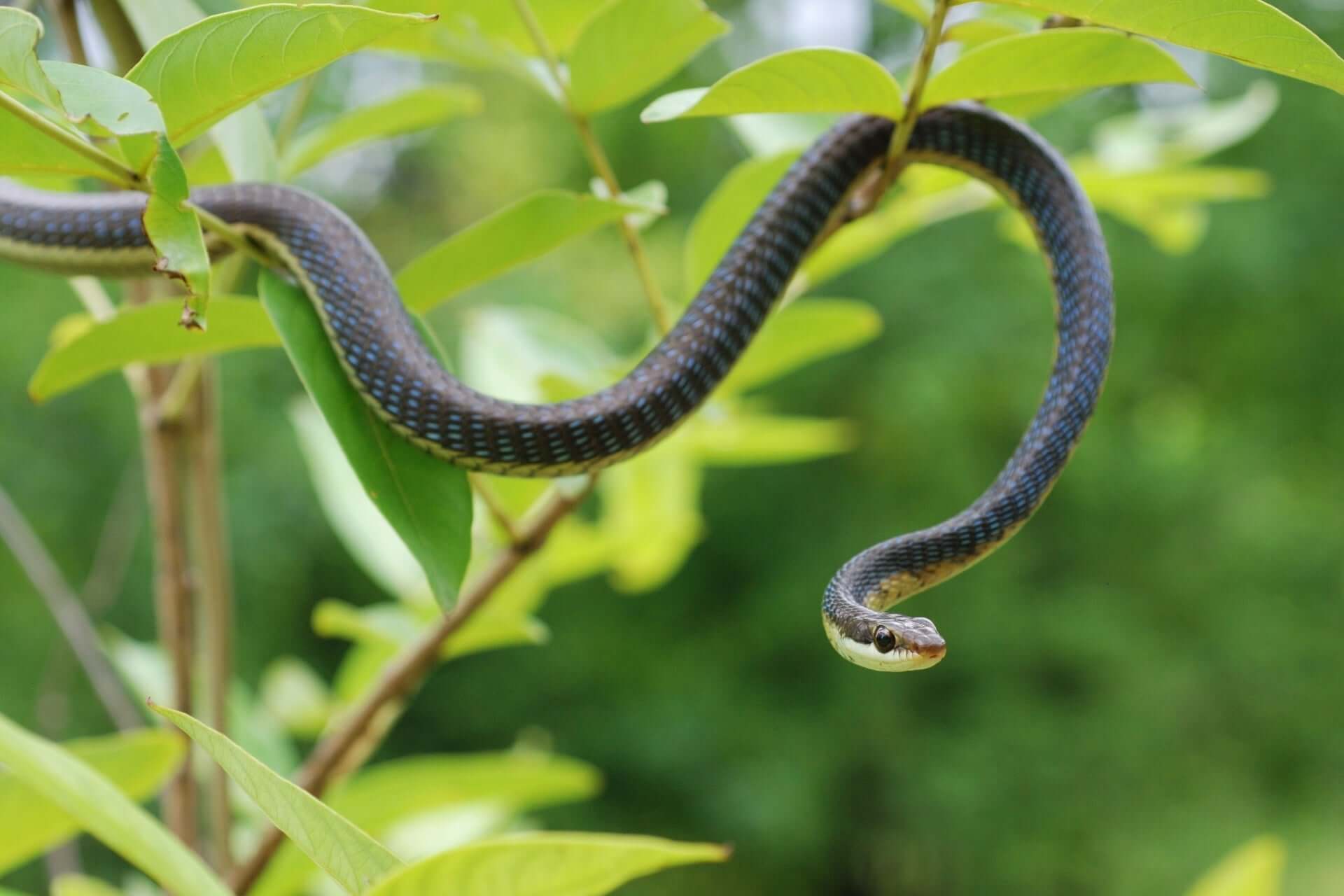
A lot of people get scared or worried when they see garden snakes. But these shy, harmless reptiles are very important for keeping your yard healthy and balanced. Learn about the benefits of garden snakes before you try to get rid of them. This will help you see why they are a good part of your ecosystem.
People often grow snake plants indoors to clean the air, but real snakes in your yard do something different but just as important. These natural pesticides keep the ecosystem in balance, cut down on insect populations and even help the land indirectly.
Garden snakes are often drawn to areas with lots of different plants, like the Redbud Tree or the Blue Flag Iris because they have a lot of places to hide and eat.
Garden Snake Matters to Your Landscape
Before you worry about how to keep snakes out of your garden, you should know that most common garden snake species are safe for people and good for plants. For example, the garter snake is one of the animals that comes to North American parks the most often.
This is why they are important for your open space:
- Killing pests naturally: Snakes eat slugs, mice and other bugs that can hurt plants' roots, stems and bulbs.
- A healthy mix of soil: They help keep diseases from spreading through garden beds by controlling the number of pests.
- A sign of biodiversity: garden snakes show that the ecosystem is healthy and growing.
In short, garden snake benefits in ecosystem are important because they help the natural chain of life that makes your yard grow.
Landscape
Creating a Snake Friendly Garden
You should help common garden snake species stay in your garden instead of trying to get rid of them if you want it to stay healthy. You can keep them secure and comfortable so they want to stay without getting in the way of your outside pleasure.
Here are some steps you can take:
-
Give garden snakes a place to hide that is natural. They like to hide behind rocks, mud, or dense plants that cover the ground. To create shady, wet regions where snakes can live, use low-growing plants like Blue Flag Iris.
Snakes
- Stay away from chemicals that are bad for you - Pesticides can hurt snakes directly or take away their food sources. Instead, try natural ways to keep pests away.
- Add water features - A small pond or birdbath will draw frogs and bugs, which will give garden snakes more food.
- Keep things in balance - planting native plants like the Redbud Tree helps a lot of different kinds of birds and insects. This creates a rich environment that makes snakes feel comfortable living in your yard.
Most garden snakes would rather stay out of sight and not associate with people, despite what most people think. As long as they have the right conditions, they do their job of keeping the yard healthy without drawing attention to themselves.
Garden Snakes Control Pests Naturally
The fact that garden snakes eat bugs that hurt plants and grass is one of many benefits of garden snakes. They eat slugs, mice and other animals that eat leaves, stems and roots.
Why Garden Snakes Are the Best Natural Pest Control
- Mice and voles are two of the worst pests for root systems. These rodents are usually lowered in number because snakes eat them.
- There are many common garden snake species that eat beetles, crickets and grasshoppers.
- Snakes are safer than chemical solutions.
You'll spend less time worried about getting rid of pests and more time enjoying the beauty of your garden because they are there.
Understanding Common Garden Snake Species
Being aware of the common garden snake species that live in your area can help calm people down and promote getting along with them. Here are some of the most common ones:
- The Garter Snake is not poisonous and is often seen near parks, ponds, or compost piles.
- Ringneck Snakes like damp, shady places and are small and shy.
- Rat Snake are great climbers that keep rodent numbers in check.
Each garden snake benefits in ecosystem in a different way, assisting your plants in becoming stronger and healthier.
How to Prevent Snakes in Garden
Even though garden snakes are helpful, some people may want to keep them out of certain places, like patios or walkways. Here are safe and humane ways for how to prevent snakes in garden:
- Cut the grass short: Snakes can't hide as well on short fields.
- Fill in holes and gaps so they can't hide under decks or sheds.
- Don't let open garbage piles get too big: Rats and mice are drawn to compost, which in turn draws snakes.
- Don't water too much; places that are too wet can have more frogs and slugs, which attracts more snakes.
Blue Flag
You can keep snakes out of your plant grove or flower beds by using these methods to stop them from moving without hurting them.
Why Snakes and Snake Plants Are Both Good for the Environment
It's simple to mix up "snake plants" with real snakes, but both are good for the earth. While garden snakes control outdoor pests, the snake plant (Sansevieria) is renowned for purifying inner air and creating oxygen. They show how nature keeps itself in order by having a lot of different kinds of plants and animals.
So, whether you're growing a collection of snake plants inside or making a garden where garden snakes can live and thrive outside, both are good for the environment in their own ways.
FAQs
What is a garden snake?
A garden snake is a harmless reptile that lives in gardens, fields and backyards and helps keep pests away naturally.
Are garden snakes harmful?
No, most common garden snake species are not dangerous to people and are good for the environment.
Do garter snakes make noise?
No, they're quiet hunters who like to stay out of sight and avoid people.
Why do snakes come into my garden?
They are drawn to places with water, food and protection. They are often welcome in a healthy environment.
What is the difference between a garden snake and a garter snake?
The common garter snake is often called a "garden snake." It is one of the most common non venomous snakes found in neighbourhoods.


