
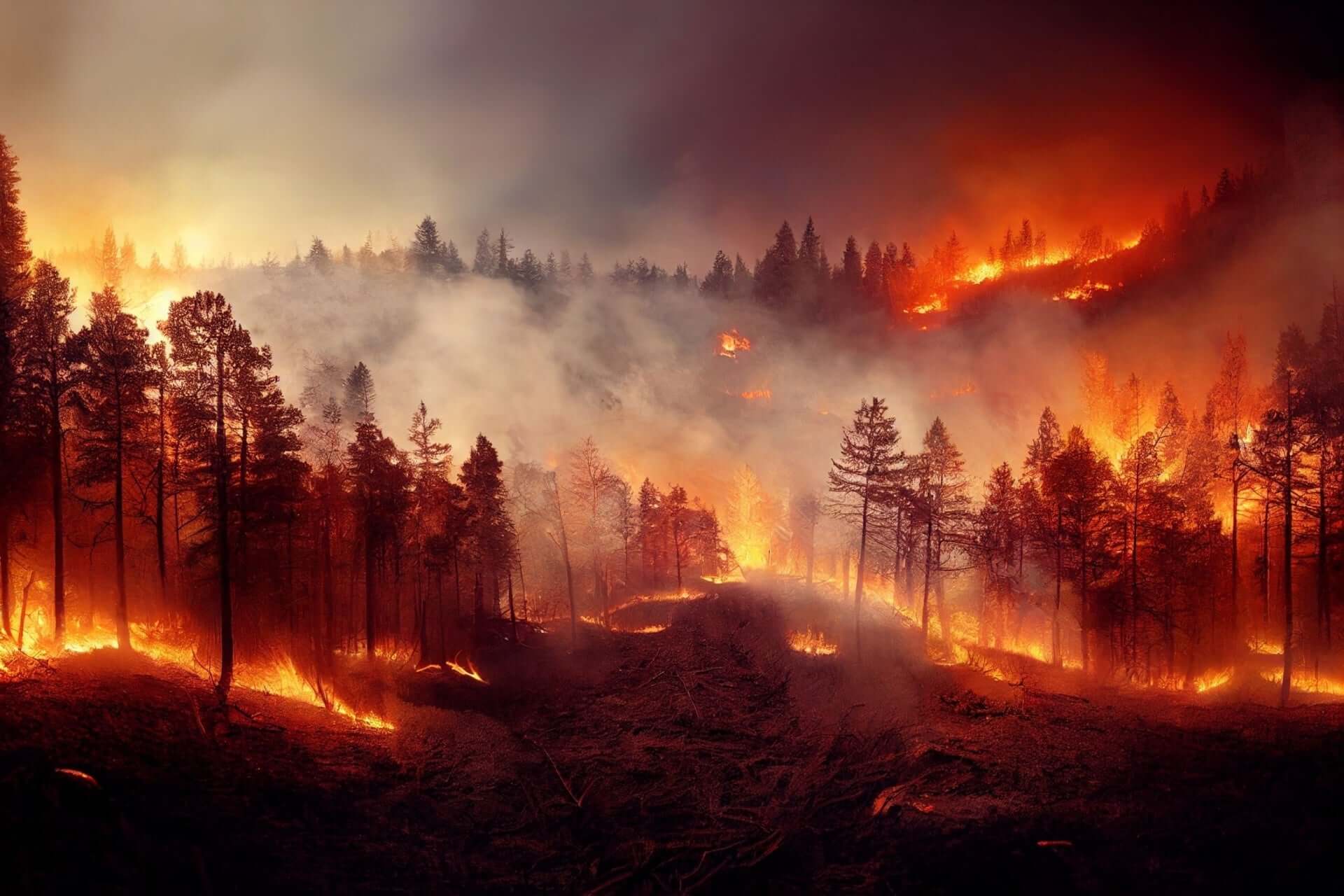
Once the wild fire has gone through the property, the damage is far beyond what is on the surface. The fire garden recovery demands the knowledge of the role of fires in changing the chemistry of soil, killing helpful species, and creating landscapes susceptible to soil erosion. The process of post-fire landscaping is not a process of replanting, but rather, one of reestablishing a whole ecosystem.
Patience and the right planning is the initial step towards the plants for the fire recovery process. The soil requires time to settle, the native seeds might germinate by themselves and a rush to replanting can be a hit and a miss.
This guide will take you through soil check, check on erosion control, choice of plants to use when recovering a fire, and setting up a strong garden that can withstand the challenges in the future. You will be able to replenish your landscape in a natural and sustainable way no matter whether you are dealing with minor burn damage or a total ruin with the help of these tactics.
Understanding Soil Conditions After a Fire
Fire changes the soil in some aspects that are not immediately apparent. Extremely high temperatures may also cause sterility of the upper zone, which eliminates useful microorganisms, earthworms, and mycorrhizal fungi that plants rely on to absorb nutrients. The left-over ash temporarily increases the pH, and thus the soil becomes more alkaline. In very badly burned regions, the heat may form a water-repelling, waxy, water-impermeable coating right beneath the surface, producing a condition called hydrophobicity.
You should test your soil before you start the process of rebuilding the garden after the fire. Check PH, organic matter and nutrient availability. Most of the garden centers have low-priced testing kits, or you can have the samples analyzed in your local agricultural extension office.
Here's what to look for:
- Ash deposits: Thin layers of ash may help the soil by supplying it with potassium and phosphorus, but thick layers may require raking and mixing a little way into the top soil instead of being removed.
- Change in color: Reddish or black soil means that it has been subjected to extreme temperatures which could have changed the composition of the minerals.
- Grass Alternative Absorption of water: Add some water to the ground. In the event that it beads up or runs away rather than being absorbed, then there is hydrophobicity.
The beginning of rebuilding garden after fire begins with the restoration of microbial diversity. Reproduce useful organisms by adding compost, old manure, or worm castings. Do not use synthetic fertilizers at the beginning - burned soil is weak and chemical inputs may only make the restoration of soil organisms more complicated. Mulching using organic substances such as wood chips or straw assists in the maintenance of moisture, temperature, and decomposing over time to nourish the returning microbial life.
Best Native Plants for Quick Post-Fire Recovery
The best fire landscaping partners are native species. These fire resistant plants adapted in conjunction with the natural fire cycles and have mechanisms that enable them to recuperate fast. Most of the native perennials have deep roots that survive underground and they sprout out new shoots within weeks after a burn. Some of them even give birth to seeds which in fact need the heat of fire in order to germinate.
Fire resistant plants and those that are fire adapted are not necessarily the same thing. Fire-resistant varieties assist in fire protection of buildings and reduce the velocity of fire spread whereas fire-adapted plants thrive after the fire. In post fire restoration concentrate on the species, which are native to the area and set up fast and stabilize soil.
Best Native options to early recovery:
- Wildflowers: Black-eyed Susan, blanket flower, and lupine can grow easily in disturbed soil and attract pollinators which aid in recovery of the ecosystem.
- Grasses: Native bunchgrasses such as little bluestem and prairie dropseed, have deep roots that resist erosion and are able to withstand the poor condition of the soil.
- Shrubs: The species of coyote brush, manzanita, and ceanothus regenerate well by sprouting of remaining root crowns.
Trumpet Vine is a good option in the areas that require quick growth vertically and on the slope to check on slope erosion. This aggressive vine forms fast, forms large root systems that stabilize the ground and hummingbirds are attracted to this vine and pollinate other plants that are recovering. Trumpet Vine can endure in the lowest quality of soil, and it is not very demanding in terms of needed care, once being planted, which is the best quality of fire landscaping.
Let certain areas recuperate naturally and then plant. Fire tends to trigger inactive seeds already present on the soil and indigenous seedlings can sprout naturally. Watch these natural regeneration areas for a few months and then make a decision as to where additional planting is necessary.
Steps to Restore Your Garden After Wildfire Damage
The process of restoration cannot happen simultaneously. Attempting to replant on the spot without trying to mitigate erosion, soil health, and management of water can be a waste of time and finances. Use the following order for most successful fire garden recovery.
Phase 1: Stabilization and Protection (Weeks 1-4)
You are more concerned with erosion, and that is more so on slopes or where rain is likely to occur. Before the first storm:
- Place erosion control blankets, straw wattles or silt fences around slopes and along waterways.
- Scatter loose mulch or straw on bare soil--do not bury ash to the ground, as it is a great source of nutriment.
- Place flags on the plants and root crowns that you want to save so that you will not disturb them in the course of clean-up.
- Take away dangerous debris, such as melted plastics, but leave behind woody debris whenever feasible it will offer habitat and slow release of nutrients.
Phase 2: Soil Amendment (Months 1-3)
When risks of erosion are controlled, then prioritize to restore soil health:
- Planting beds: Soil Compost 4-6 inches in the top of the soil.
- Add mycorrhizal inoculants to aid the plants to form symbiotic associations with effective fungi.
- Add soil protectors such as plant cover crops such as clover or annual rye to add organic matter and nitrogen.
- Test and amend pH as necessary-majority of plants like slightly acidic to neutral pH (6.0-7.0 pH).
Phase 3: Strategic Replanting (Months 3-12)
Start with tough natives and fire resistant plants to grow fast. Begin small--some successful manage to grow faster than border failures.
In the case of food production locations, options include Apple Trees when the soil is stable. These fruit varieties can also be used in recovering landscapes and are also tolerant of a broad range of soils and are also a source of shade and harvest. The apple trees have a deep root system that keeps the soil stable and yields crops even in future years. Select disease resistant varieties, which best fit your climate and plant in places where you have already enhanced soil structure.
Planting spaces will prevent immediate competition between plants. Water intensively but sparingly to promote deep root penetration. Lay 2-4 inches of organic mulch around plants, but do not touch stems and trunks or it will rot.
Phase 4: Continuous Supervision and Surveillance (Ongoing)
Rebuilding a garden after fire takes years. Keep an eye on soil health, observe emerging stress indicators in new plantations and modify your practice depending on what grows. Note down each plant, and where you find it--this you will find useful when you know what species will best suit your particular recovery conditions.
Fire-Resistant Plants to Strengthen Future Landscaping
When you are rebuilding garden after fire, consider what to do in the future to prevent fire. The fire-resistant plants will not render your property fireproof, but they are much safer since they are difficult to ignite, their debris will be less flammable, and their tissues will have a higher moisture content.
These plants should be used in the optimal fire landscaping:
Structures should have defensible space zones. Select low growing, high moisture shrubs within 30 feet of buildings with little dead material:
- Succulents Ice plant, aloe, and sedum store water in thick leaves.
- Groundcovers: Creeping thyme, sweet woodruff and ajuga will remain short and green.
- Perennials: Lavender, salvia and yarrow are oils, which in fact are resistant to combustion.
Larger resistant to fire plants may form transition zones between 30-100 feet of structures:
-
Perennials
Trees: Oak, maple, cherry contain less oil content and drop less flammable debris compared to the conifers.
-
Shrubs: Serviceberry, elderberry and currant preserve the moisture in dry seasons.
- Vines: Forgetting grapevines and trumpet vines are plants that are well established and they cover yet do not produce the ladder fuels that can transport the fire upwards.
Plants that are rich in resin or oil are not to be placed around the structures, especially eucalyptus, juniper and pine are very inflammable. Cut off dead branches and litter. Keep the spacing between plants at a distance, this to ensure that flames do not easily spread between plants.
Include fruit trees and edible landscaping to your fire resistant plants design. Naturally, many food-producing plants have such qualities as decreasing the risk of fire and at the same time harvests. This style develops practical, aesthetic environments that can be used in your reclaimed landscape in numerous ways.
Tips for Maintaining a Rebuilding Garden
The process of recovery does not stop when plants for fire recovery are planted in the ground. Practices of maintenance decide whether or not your efforts can be successful in the long term. Post-fire gardens require specific attention as compared to mature landscapes.
Management of water is essential:
- Watering deep and infrequently helps to develop roots in a downward direction to solid levels of soil.
- The drip irrigation or soaker hoses do not erode away the loose topsoil but efficiently deliver moisture.
- Water in the early morning to minimize evaporation and fungus.
- Check soil moisture often- recovering soil drains are different from determined ground.
The work of soil building is prolonged:
- Add compost once a year, and turn it into the surface layer of the soil.
- Feed soil organisms with organic mulch which decomposes.
- Plant cover crops on bare ground to keep on adding organic matter and nitrogen.
- Keep tilling shallow, and this disturbs fungal networks.
Monitor and change strategy:
- Observation: Which plants do well and which do not. The fire landscaping that is burnt by fire frequently possess micro climates- areas, which are distinct in terms of shade, slope, and other forms of soil variation. Take this information as a future guiding factor during planting. The successful species may be separated and distributed and the problematic areas may require alternative amendments or plant options.
- Have patience with sluggish beginners: There are native species which emphasize root-development during the first year and have little above-ground growth during this period. Such a and such a sleep creep leap is normal--these plants tend to burst out in their second and third years.
- Manage the aggressive intruders: Weeds thrive best in disturbed soil, and regions that are damaged by fire are highly susceptible. Plow the soil by the hand frequently prior to seeding, and keep in mind sheet mulching as a method of curbing intractable ills.
- Make contact with local gardening organizations and indigenous plant societies: There are probably others in your area who have undergone the same kind of recovery experience and can tell you what worked and what has not in their experiences with plants for fire recovery.
Conclusion
It takes patience to build the garden you had made after the fire. Your landscape will not be able to be restored to its former condition overnight, but you will be able to plan and plant with resilient native species and come out healthier and more fire-adapted than ever before. Begin with soil recovery, select your plants according to your unique circumstances and include some such plants as the Apple Trees and Trumpet vine which are not only useful but stable, and have long-term value. Go one step at a time in the process of recovery, rejoice in small achievements and have faith that the strength of nature - along with your efforts - will heal your property impacted by fire, and bring it back to its beauty and functionality.
FAQs
How do you restore soil after a fire ?
Begin by measuring pH and nutrients, then add compost and organic matter to restore life of the microbes. Use mulch to ensure that it does not erode and also to retain moisture
Can plants grow after a fire?
Yes, the plants after fire are not just surviving, but also growing. Indigenous species might possess a form of adaptation such as underground root systems which regenerate, or seeds that need heat to germinate.
How soon can you plant after burning ?
Wait 4-6 weeks after a fire. Planting should occur only after a fire has been completely extinguished and erosion control established and the soil well undergone initial stabilization. Test soil conditions first. Waiting of 3-6 months may be needed in the severely burned areas.
How does fire affect plants?
Fire destroys the above plant tissue by direct heat and burning. Underground effects are also different, as deep roots are not usually affected by the high intensity of fires, whereas shallow roots can be killed. Heat kills soil, killing useful microbes that are required by the plants
Can burned soil support new plants ?
Plants can grow in soil that has been burnt; however, the soil requires time to recover. The surface layers can be short term sterile and unproductive. When burned soil is amended well with compost, mulch, and time, the organic material and its micro-organisms recovered, the soil is healthy to support healthy plants.
What steps should you take first after fire damage ?
Safety should be a priority and professionals should be hired to determine the dangerous trees and buildings. Next, deal with erosion control it right now- roll barriers, lay down mulch, and cover slopes before it pours. Label plants to prevent their destruction in the process of clearing.


