
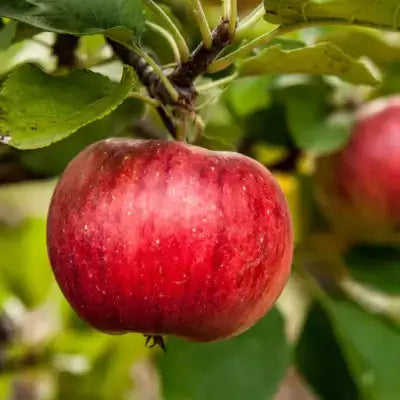
The Multifaceted Benefits of Apple Trees
From the first blossoms of spring to the last apples of autumn's nip‚ apple trees seem to personify that greatest icon of sustenance that life has to offer‚ and the very essence of the abundant harvest‚ simplicity and pleasure of reaching out to take that bounty from the tree of life․ By planting apple trees we also provide ourselves with lasting pleasure and important economic and social benefits․ By investing in growing these trees we are more connected to the land‚ to ourselves‚ to each other and to the good food we can share․ This essay discusses the many benefits of fruiting apple trees and their importance in our lives․
Apple trees are not only useful for providing humans with delicious fruit‚ but they are also good for the environment․ To be specific‚ they are very efficient at improving air quality by extracting carbon dioxide (a greenhouse gas) from the atmosphere‚ and they produce oxygen as a by-product of photosynthesis․ Roots can prevent soil erosion‚ keep rain captured in the habitat‚ and keep other plants and animals in the ecosystem alive․ In addition‚ apple trees can also provide shelter for other lifeforms․ Birds‚ helpful insects‚ as well as other tree‚ fruit‚ and herbivorous species have been observed taking advantage of apple tree orchards․
In some agricultural regions‚ commercial apple orchards are one of the most important cash crops․ Other contributions to local economies include direct jobs such as planting‚ harvesting‚ advertising‚ and selling apples․ Apple production contributes to local farmers' markets where apples are sold directly to customers‚ but is also a major economic factor for regional distribution networks․ In addition‚ apple orchards can provide secondary economic benefits as a tourist destination or a location for farm or u-pick operations that sell apples or provide other agri-tourism opportunities․ Commercial production and sale of apple cultivars have been connected with the promotion of sustainable farming practices‚ local food‚ and maintaining customary agricultural communities․
Apple Trees Have Different Varieties
If growing your own apple trees is something you wish to do‚ there are many gardening guides to assist․ Those with an interest should consider climate and end use product in making their choice․ For instance‚ dwarf apple trees may be useful in small gardens‚ but if more space on the ground is available‚ larger trees will produce a far greater harvest․ Pruning‚ exposure to sunlight and watering are among some of the ways to keep an apple tree healthy․ Pests‚ diseases‚ and physical problems must also be watched for․ If a gardener can become skilled at the above skills‚ he is well on the way towards having many productive mini orchards in his own garden․
Different cultivars of the apple can have different flavors‚ textures‚ and uses․ The Honeycrisp is known for being sweet and crisp‚ while others like the Granny Smith are tart and used in cooking and baking‚ among many others such as the Golden Delicious and Fuji apples․ Apples are used for eating raw‚ cooking‚ as well as in the preparation of desserts․ They are also used in savory cooking․ Cider makers and apple consumers enjoy the hundreds of apple cultivars cultivated for those purposes․ This variety is an invitation to explore and experiment‚ not just for the palate‚ but for the imagination of the cook‚ and for the family and friends to enjoy the seasonal apple recipes․
Pollination is necessary for the production of apple fruit․ Apple trees that are not cross-pollinated will not produce fruit․ Apple trees are not self-pollinating‚ so several different varieties of apple trees must be planted close together to pollinate each tree․ This relationship shows the importance of biodiversity within the orchard․ It also shows that by having a variety of flowering-plants'>flowering plants available to pollinators‚ such as bees and butterflies‚ apple growers may utilize knowledge of pollination when influencing the design of their orchards․ This kind of pollination community not only improves the yield of the apples‚ but also improves the health of the ecosystem that it is part of․
Planting Apple Trees Is An Investment
An apple tree that bears fruit represents not just a source of good food‚ but also a sustainable lifestyle‚ an economic profit‚ a connection in the community‚ and a personal pleasure․ Planting an apple tree is a long term investment for the future․ The apple tree has thereby not only given the individual fruit but also health to the environment and the community․ The individual's continued and annual growth and harvest of fruit from the apple tree is a symbol of the importance of apple trees in the individual's life․ But if you have taken up the arts and responsibilities of this husbandry‚ you have taken up also a path to a greater harmony both with nature and one another․

