
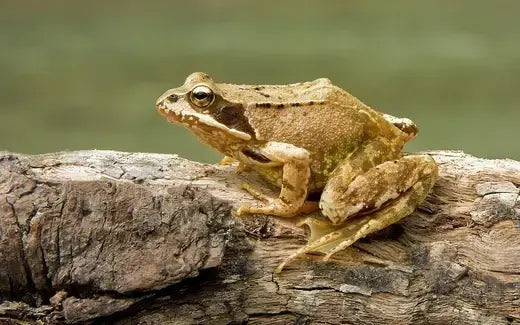
Cultural Significance of Frogs
There are many lowly creatures in the world․ Among these frogs there are some that are important and not without beauty․ Some are many colored․ Some are of various dimensions․ All of them are interesting․ This essay would take a look at some elements related to frogs namely their cultural importance‚ their conservation challenges‚ their ecological importance‚ their modes of reproduction‚ and their modes of consumption to make a case about the sheer magnificence of the amphibians and their relationship with the environment and humanity․
Frogs have been a symbol of mythology in many cultures since the beginning of civilization․ The frog goddess Heqet of ancient Egypt was the goddess of fertility and childbirth․ The Egyptian people associated frogs with fertility‚ as the banks of the River Nile became congested with thousands of frogs after the annual flooding of the river‚ making them a symbol of the life cycle․ Frogs are also seen as rainmakers and omens of good fortune in the folklore of many Native Americans․ Frogs came to be symbols of change and transformation in the folklore and symbolism of societies thanks to their metamorphosis․ Both through stories and images‚ frogs became a symbol of adaptability‚ and the interconnectedness of all life․
Despite their appeal‚ frogs are facing a number of threats to their survival․ Habitat destruction‚ especially from urban development‚ conversion to agriculture and climate change‚ is one of the main causes of decline in frog populations․ When habitat such as wetlands and forest areas are drained‚ frogs are unable to find places to breed and forage․ In addition‚ the use of chemicals and pesticides is harmful to local frog populations․ In addition‚ a chytrid fungus disease of amphibians‚ causing population declines of many frog species on all continents (excluding Antarctica)‚ has raised awareness of the plight of frogs (and amphibians in general) and the need to protect biodiversity in general․
Impact of Frogs on Ecosystem
Frogs‚ as both predator and prey‚ play vital roles in the food chain․ They are insectivorous animals that control insect populations‚ and are often helpful to farmers and to the control of disease․ A frog may eat thousands of insects in one season‚ greatly affecting a pest population․ Frogs are eaten by birds‚ snakes‚ and mammals․ These animals are key species and form an important part of the entire food web‚ thus‚ if a single species becomes extinct‚ the entire ecosystem might be destabilized․ Frog populations should not only be protected to maintain biodiversity but also to protect the health of the entire ecosystem․
As in most other aspects of frog natural history‚ reproductive behavior varies widely from species to species and can create spectacular visual displays․ Most frogs reproduce in wet habitats and return to the same ponds repeatedly year after year․ To attract females‚ males call‚ often creating a cacophony of croaks and ribbits during the breeding season․ Some species use elaborate courtship displays with the males displaying brightly colored skin or elaborate movements as part of their courtship rituals․ After mating‚ the females will lay hundreds to thousands of eggs in nests of foam or simply scatter them in water․ These behaviors are an example of how diverse the reproductive strategies frogs have evolved have been․
Dietary Habits of Frogs
Many species of frogs have carnivorous diets‚ eating a mixture of food items․ Some species of frogs eat insects; others include small fish‚ other frogs‚ and small rodents or mammals as part of their diets․ Some larger species (the infamous bullfrog‚ for example) can consume prey much larger than themselves․ Taking prey may be spectacular; frogs have long sticky tongues‚ which they can use to strike more quickly than most prey can flee․ The diet of frogs is fairly flexible and many species can be found living in a variety of environments from tropical rainforests to temperate wetlands․
But frogs are only part of the bigger picture: all connected in the eternal and beautiful web of life․ Frogs have a meaningful place in culture and the imagination of humanity‚ but they also face real and serious threats‚ which must be addressed․ As predators and prey‚ frogs play an important role in both the structure and functioning of the ecosystem in which they are critical elements․ Their reproductive characteristics and dietary habits give us clues about their ecological niches․ By ensuring their survival‚ we not only preserve their diverse backgrounds for future generations‚ but also better understand the web of life we inhabit‚ and how our own existence is interconnected with theirs․


