
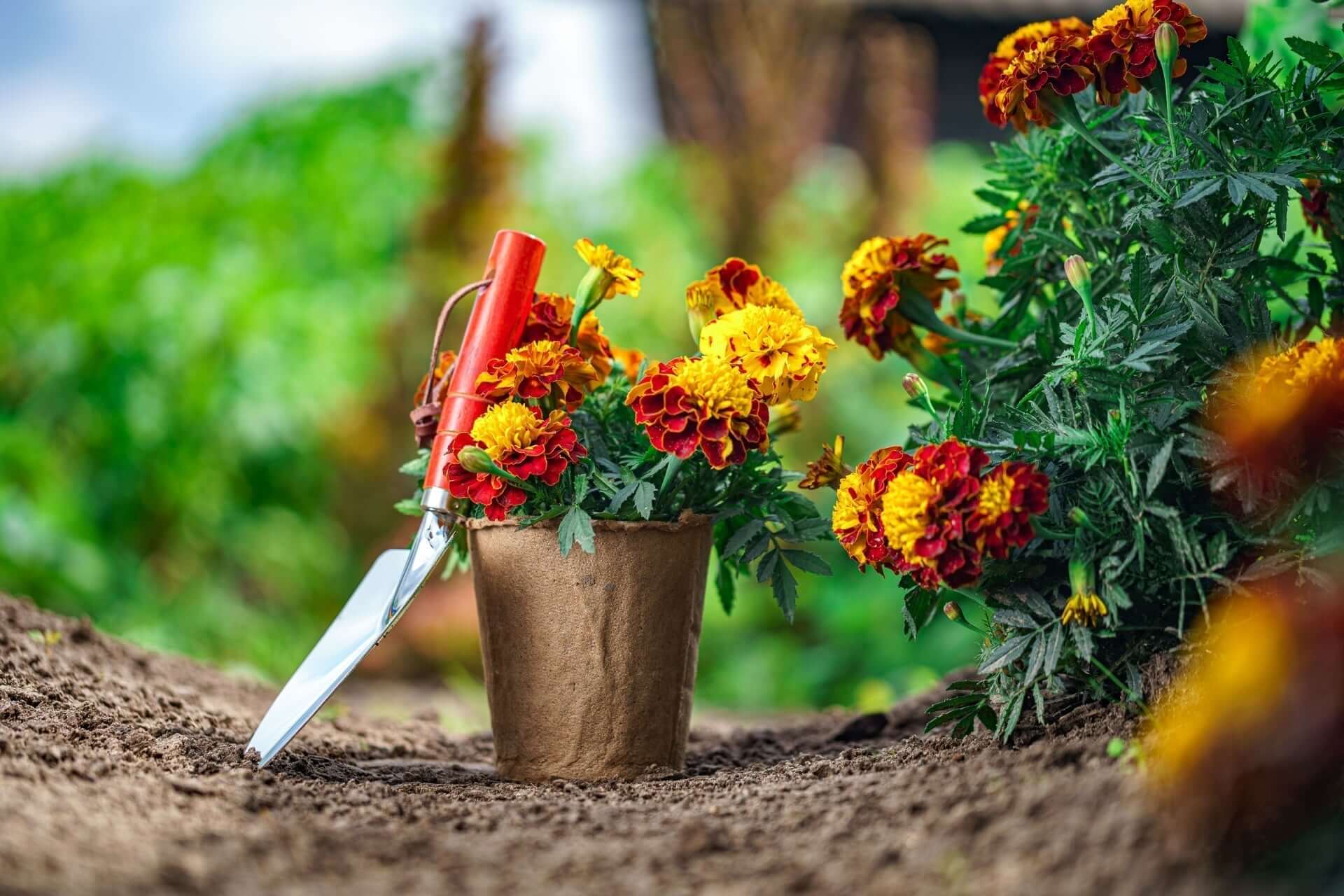
Floriculture is the art and science of creating colourful displays of ornamental plants that enhance the appearance of indoor and outdoor spaces. This field helps plants stay healthy, brings in bees and makes landscape design better by encouraging careful planting and upkeep. They learn how to pick the right flowers, prepare the soil, place them correctly, and keep the flowers blooming all season long as part of floriculture production.
This content talks about floriculture, how flowers grow and plants like the Wood Poppy and the Partridgeberry that can add long-lasting colour to any home garden.
What Is Floriculture and Why It Matters
Floriculture is the study and practice of growing and caring for flowering plants. It is an important part of yard variety and beauty. Many new gardeners start with indoor ornamental plants because they are easy to care for and add colour right away to small rooms. Floriculture also helps outdoor gardening by growing plants that birds, bees and butterflies like.
Gardens look better when flowers grow well because they add colour, balance and a nice place for people and animals to be. Because of this, floriculture is important for farmers who want flowers that last and designs that last.
The Science Behind Ornamental Bloom Development
Tiny Greens
For perennial ornamental plants to grow bigger flowers every year, they need the right amount of sunshine, the right mix of nutrients, and their own natural growth cycle. Changes in weather, soil pH and soil moisture all affect how buds form and how long they last. Gardeners can keep all their plants healthy by considering these scientific factors, whether they are growing plants outdoors or caring for cultivated ornamental blooms in covered wood beds. Gardeners can better guess when flowers will open, how bright the colours will b and how well the plant will do overall if they know how flowers react to their surroundings.
Popular Ornamental Flowers for Home Gardens
1. Wood Poppy
The Wood Poppy flower blooms in the spring and is very bright. It does best in shade and adds a soft, golden colour to woodland areas. For gardeners looking for indoor ornamental plants, this is a great choice because it does well in pots near windows or on patios in the shade. Its tiny flowers and easy care make it a good plant for beginner gardeners.
2. Partridgeberry
Partridgeberry has tiny white flowers that turn red in the autumn and winter, adding beauty to the yard's natural areas all year long. Its slow growth and widespread nature make it a good choice for gardening with shade and natural hedges. It comes back every year and looks great with ferns, hostas and other cool-season favourites, so many people put it in shows with perennial ornamental plants.
3. Coral Bells
Coral Bells add depth to beds that get some shade with their bright leaves and light flowers. Because they are small, they are great for walks and colourful spots. In ornamental flower gardening, this plant is very useful because it pairs well with many other species, creating stacked designs that showcase both leaf patterns and annual blooms.
4. Bleeding Heart
The Bleeding Heart plant produces delicate pink and white heart-shaped blooms. These flowers suit romantic or cottage designs. Its arching branches and early spring blossoms offer quiet garden movement and beauty. Its distinctive form blends into woodland-inspired gardening- therefore, many gardeners use it as an attractive flower.
5. Black Cohosh
Black cohosh is a tall plant with beautiful white branches that make shady fields look even more beautiful in the middle of summer. Its strong height and thick leaves make a striking background for smaller plants. While Black Cohosh supports outdoor beds with strong form and seasonal texture, homeowners who grow indoor ornamental plants sometimes mix partner species inside and outside the home for visual unity.
How to Choose Ornamental Flowers for Your Landscape
- When planning both indoor and outdoor spaces, choose flowers based on how much sunlight they will receive, the soil texture and the colour you want them to be during the season. This will help you create balanced displays that complement indoor ornamental plants.
- Choose hardy perennial ornamental plants to establish a durable, attractive garden basis.
- Using ornamental flower gardening ideas, match bloom forms, sizes and colours to your design style. This will help the beds and borders look good together.
- When adding cultivated ornamental blooms to dark garden areas, choose types with different textures or that do well in the shade to add variety and depth of colour.
Common Problems That Affect Ornamental Blooms
Floriculture is a field that combines art and science to help people make gardens full of healthy, colourful flowers. By choosing the right species, carefully preparing the soil and following easy care guidelines, gardeners can enjoy flowers that last a long time and add to the beauty of the season. Partridgeberry and Wood Poppy are two plants that look fantastic in both the wild and in gardens. They provide colour all year round and don't need much care. If you know how to do it, anyone can make lush, beautiful plants that make their outside area seem better.
FAQ
Black Cohosh Plant Ornamental Flowers
What is floriculture?
Floriculture is the study of how to develop and care for plants that bloom. It shows you how to care for them and use them in gardens, parks, landscapes, and even within your home in a beautiful way.
How do I prepare soil for floriculture plants?
Add organic matter like compost to the soil and make sure it drains well. This will help flowers grow strong roots and bright blossoms.
Which ornamental flowers are easiest to grow for beginners?
If you're just starting out, plants like Wood Poppy, marigolds, and zinnias are perfect. They're low-maintenance, very forgiving, and reliably produce great blooms.
How can I boost the bloom quality of ornamental plants?
Make sure your plants are getting enough sunlight and the nutrients they need to help them bloom better. Water the soil evenly, not too much or too little. It also helps a lot to take off the old or dead blooms because this makes the plant focus on growing new, healthier ones.
What is the best season to plant ornamental flowering plants?
The best times to plant are in the spring and early fall. The weather is nice, and the soil is good for plants to grow strong roots.
PerennialsCan ornamental flowers grow indoors?
Yes, of course! Many decorative plants thrive well in pots inside as long as they get enough natural light and water on a regular basis.


