
Mastering Lawn Fertilization Techniques Like a Pro
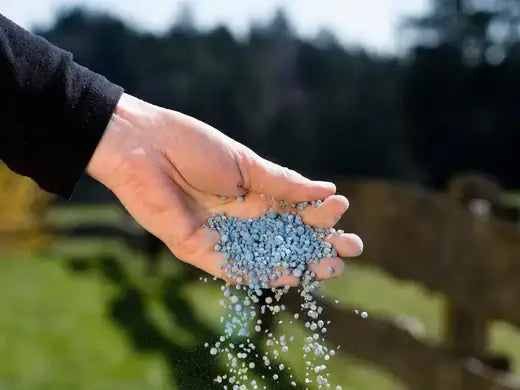
The trick to developing a lush‚ healthy‚ soft‚ green‚ velvet-like lawn is knowing exactly how to fertilize your lawn properly․ Fertilizing is not just a matter of throwing a few handfuls of granules over your yard and hoping for the best․ It takes some education‚ some timeliness‚ and some knowledge of the needs for a healthy lawn․ Before we can add fertilizer to your lawn‚ we need to know the current status of your yard and how we can improve it․ Here are the steps I will walk you through in this article in order to fertilize your lawn like a pro․
Your first step is choosing the correct fertilizer‚ and not all fertilizers are the same․ They come in various types and formulas designed for different grasses and soils․ Before purchasing a fertilizer that may be appropriate for your lawn‚ consider getting a soil test to determine what deficiencies exist in your soil․ Search for balanced fertilizers with N-P-K‚ the three most important nutrients: nitrogen‚ phosphorus and potassium․ If your lawn has more nitrogen than it can take‚ pick a grass food with less nitrogen and more phosphorus to promote root health․ If you're looking for a fertilizer that will build up your soil over time and create a healthy ecosystem in your yard‚ organic lawn fertilizers are often a good option․
Why Soil pH is Important When Fertilizing
Besides soil type‚ information about the soil's acidity (pH) is also important․ Nutrient availability decreases as pH deviates from the ideal range of 6․0 to 7․0․ A simple soil pH test kit‚ which can be bought from a garden center‚ can be used to measure this․ Lime can be added to increase pH if soil is too acid‚ or sulfur can be added if soil is too alkaline․ Understanding your soil can help you to properly tailor your fertilizer and amendments to the needs of the soil so that you can bring it closer to its ideal state‚ thereby allowing your lawn to better utilize nutrients and recover from drought and pests․
Timing can be the most important factor in knowing when to fertilize a lawn‚ and largely depends on the variety of grass․ Fertilizers for cool season grasses should be applied in early spring and in fall‚ when their active growth allows them to make best use of the nutrients․ Warm-season lawns should only be fertilized in the summer months‚ when they are in active growth․ Weather patterns should also be taken into consideration: it is not recommended to fertilize before a heavy rainstorm or during a heat wave․ Properly timing your fertilization schedule will help maximize the health of your lawn and increase its color and growth throughout the seasons․
After a lawn has been fertilized‚ it needs to be watered in‚ so that the fertilizer can dissolve and be absorbed into the soil to feed the roots of the grass․ After applying the fertilizer‚ you may want to water the lawn in to help the nutrients soak in‚ but do not overwater the area because the nutrients may wash away․ The soil should be kept moist but not saturated․ Established lawns need about an inch of water per week‚ although the actual amount applied will vary‚ depending upon local rainfall and temperature․
Distribute Fertilizer Evenly
Distributing fertilizer evenly ensures that each blade of grass is nourished enough to grow strong․ A broadcast spreader helps make the job easier and ensures that the fertilizer is evenly distributed across your lawn‚ instead of clumping up and burning patches of grass when too much fertilizer is applied in one area․ It is important that the suggested application rates on the container are followed since too much can be harmful to the plant․ A possible alternative is to apply smaller doses at several intervals․ Some of these tools will help ensure an even flow of nutrients‚ and will even help to reduce problems like nutrient lockout․ The outcome is a lawn with more consistently better conditions for growth․
Transforming an expanse of bare ground into a carpet of green grass is neither quick nor easy․ Properly fertilizing your lawn requires knowing your grass type‚ testing your soil‚ and applying fertilizer at the right time․ Though each lawn is different‚ with the right knowledge and experience‚ you will be able to create the lawn you have always wanted․ Soon‚ you will have a lawn not only to be proud of‚ but a lawn perfect for making your home more inviting to family and friends to enjoy‚ play‚ and have fun together․ With the knowledge and tips provided in this guide‚ you're well on your way to mastering the art of lawn fertilization and embracing both the challenges and rewards it brings․


