
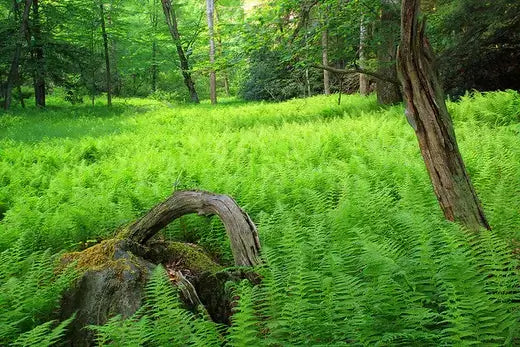
The Art of Ferns in Landscaping
Ferns add an additional element of style and sophistication to any landscape design with their lush green foliage and delicate fronds‚ turning a mere garden into a peaceful haven or temple of nature․ Having been on the earth for millions of years‚ ferns remain a living symbol of nature's resilience․ Ferns do not generally have large bright flowers‚ and their green foliage varies‚ sometimes to a marked degree‚ depending on whether viewed against the sunlight or in the shade․ Ferns in the garden have become more popular as gardening styles have changed because they are very useful plants in a great variety of circumstances․ The plants are adaptable‚ even tolerant of dry conditions‚ which makes them accessible to beginners and to landscape architects․
The avid gardener who searches the fernaceous domain can find countless species suitable for every application․ The most commonly grown fern is the Boston fern‚ with long fronds of arching‚ narrow leaves which can cascade downwards from hanging baskets or window boxes․ Another popular house plant is the maidenhair fern (Adiantum) which has a lacy appearance․ The staghorn fern (Platycerium) has large‚ leathery‚ bizarre‚ horn-like fronds and it is sometimes mounted on the tree trunks or garden walls to give a very tropical appearance to the garden․ The shield fern also has the benefit of being more formal‚ as the leaves are much more rigid and erect‚ as opposed to the majority of other ferns․ With each type of fern having its own characteristics‚ it can provide a unique design and texture․
Ferns Perefer Shaded Areas
Due to a limited range of suitable conditions‚ most ferns prefer to grow in shady places with well-drained‚ damp soil‚ which are typically found in wooded areas or along the banks and in the beds of streams․ It needs to be rich in organic matter‚ and hold moisture without becoming waterlogged‚ making ferns suitable for places that are too shady or too damp for most plants of other kinds․ In addition‚ because ferns have adapted to grow on the understory of forests over the course of millions of years‚ suitable companion plants are often required to provide the ideal conditions for the fern to thrive as part of a balanced whole in a garden setting․
As well as these more aesthetic purposes‚ the benefits of using ferns can be practical․ Ferns help gardens by improving the garden's overall environment: ferns are natural air purifiers‚ absorbing pollutants and releasing oxygen back into the air‚ and their dense foliage can reduce soil erosion․ For this reason‚ they are sometimes planted on hillsides to stop the soil washing away․ Ferns may also provide cover and habitat for many smaller species of animals‚ such as birds‚ which may nest in them‚ and insects‚ which are attracted to the dense foliage․ By adding to the beauty and health of the garden‚ as well as thriving in conditions difficult for other plants‚ with the ease that they provide for novice gardeners to learn with‚ the symbiotic relationship of ferns to the rest of the garden's ecosystem is helpful for both life and growth․
Ferns Provide Interest Throughout the Year
If ferns are used together with other flowering plants‚ they can add to the appeal of a garden design․ Other flowering plants‚ such as hostas‚ astilbes and daylilies‚ which bloom in many colors‚ can be planted together with ferns to produce a rich and varied garden design․ Ferns can create an attractive and effective background‚ framing a flower display and improving the bright colors of flowering plants․ An example is the lady fern combined with a bright orange daylily․ In this combination the large fern fronds rock with the flowers and allow the color to stand out․ Ferns can also be combined with spring-flowering bulbs so that when they begin to die back the ferns fill up the space left‚ and provide interest throughout the year‚ smoothing the edges of the seasons in the garden․
Ferns can also be used as a ground cover and as a green lawn substitute․ The spreading habit of many ferns allows them to fill in gaps in the landscape‚ and form dense carpets which suppress weeds․ Many ground cover ferns‚ such as the creeping thyme fern and the Japanese painted fern‚ produce a thick mat of foliage that retains water and makes a suitable mulch layer․ Such mats are used to provide an interesting focal point in the garden and to reduce the need for mowing or constant watering․ With the increasing interest in environmental issues and low-maintenance gardening‚ ferns are becoming more popular for sustainable landscaping․ Ferns attract interest from gardeners for their natural beauty and for being relatively easy to grow․
To sum up‚ the fern is so much more than just a pretty facade․ With a wide variety of species and practical applications‚ and their important role in local ecology‚ they furnish the myriad possibilities that constitute the brave new world of modern landscaping․ Used either to fill in when a flower bloom is over‚ or as a ground cover‚ their attributes should be part of the garden fashioning a peaceful park-like atmosphere or a riotous canvas of color․ As society moves towards more modern design and green practices the ferns that have been on the earth for millions of years should not be forgotten and evoke the balance of nature and the beauty it provides․ By using ferns in our landscapes we can continue that legacy and remind ourselves that nature continues to be an enduring and powerful force․


