Ten Incredible Benefits of Installing Rain Gardens on Your Property

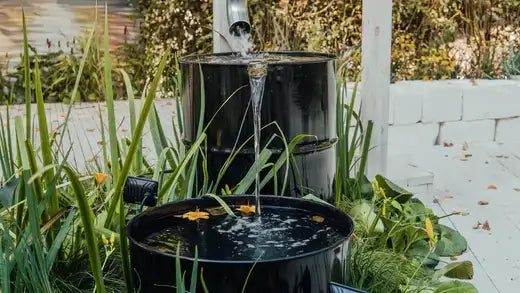
There are many good reasons as to why rain gardens are becoming a common practice in eco-friendly landscaping. These garden beds are more than just a lovely addition to your yard; they are built to collect, absorb, and filter rainwater runoff from hard surfaces like roofs, driveways, and sidewalks. Instead of letting runoff water be wasted and sent to a storm drain, a rain garden allows it to be used by plants and soil and slowly released to the ground after natural purification.

There are a variety of advantages to having a rain garden. Below are the top 10 advantages that rain gardens give in addition to the many benefits they offer.

1. Help With Stormwater Management

Rain gardens help with stormwater management, particularly in the event of a rain storm. They are designed to collect and hold rainwater, slowing and softening the flow of runoff to storm drain systems. This simple function helps urban and suburban communities avoid localized flooding.

2. Natural Water Quality Improvement

A rain garden is one of the best ways to improve a geographic area's ability to filter pollutants from rainwater. Water that falls as rain, especially on roofs and pavement, is called runoff water. Runoff water carries pollutants such as fertilizers, pesticides, oil, and sediment. When the runoff water enters a rain garden, the \garden's soil, and the roots of the plants in the garden, filter the water. The soil and roots of the plants temporarily store the pollutants and prevent the pollutants from reaching a stream, river, or lake, and in turn, from harming the ecosystems in the water.

3. Increased Biodiversity

Each rain garden offers a habitat to many insects, song birds, butterflies, and larger wildlife. The many plants of various, native species that are present support many local pollinators, which contributes to a healthy ecosystem. Additionally, plants such as Swamp Milkweed are valuable, as they withstand or thrive in wet conditions. Also, they are an important food source for caterpillars, especially the monarch.

4. Carbon Sequestration

The plants contained in each rain garden play a vital role in the local community. Each garden helps counter the effects of climate change on a local level. Plants improve the atmosphere each time they undergo the process of photosynthesis. The challenging part of this process is that they need to absorb greenhouse gases, especially carbon dioxide, and store or use the carbon in various forms, such as soil or in the plant itself.

5. Better Overall Look

Rain gardens can make a place more beautiful. If you pick native plants, you can make a garden that will look lovely, change colors, and be beautiful all year. There are spring Blue Flag Iris flowers and the Little Bluestem grass that turns fall colors to provide beautiful scenery all year.

6. Helps Moderate Local Temperatures

Vegetation cools the surroundings. When plants transpire, they release moisture vapor. It's a bio-cooling process that helps release moisture vapor and regulate local temperatures. This process is a passive way to moderate the urban heat island effect. It's a phenomenon that occurs in developed places when they are significantly warmer.

7. Helps Prevent Erosion

Properties with slopes are prone to soil erosion. Rain gardens slow the flow of stormwater and they help prevent the wash away of valuable top soil. This is important for protecting landscapes and erosion damage on building foundations.

8. Education and Community Engagement

Rain gardens serve as wonderful educational examples of how to share sustainable landscaping and water conservation practices with family, friends, and neighbors. They can inspire community projects, workshops, and even tours to promote the development of environmentally friendly practices.

9. Reduced Demand on Potable Water

Because rain gardens, by design, capture and use rainwater, there is no need for supplemental irrigation after they are established. The native plants chosen for these gardens are adapted to the region’s rainfall received, which reduces the use of drinking water and promotes a more efficient use of water in your landscape.

10. Increased Property Value

A rain garden with proper design and function is a welcome feature for home buyers. It indicates the home is on a property with environmentally responsible landscaping, and the property is likely to be more resilient. Visible benefits are reduced flood risk and lower maintenance, which ultimately results in increased property value.

Choosing The Best Plants For Your Rain Garden

A successful rain garden hinges on the right plants being chosen for the right spots. A well designed rain garden should include 3 zones with different moisture levels.

The Center (Lowest Zone)

Plants here are able to drain water more effectively than the other zones, but need to retain water for long periods.

  • Blue Flag Iris (Iris versicolor): Thrives in water and loves to display purple-blue flowers. This plant stands out with its sword-like foliage.
  • Swamp Milkweed (Asclepias incarnata): This is the best plant for attracting insects and other pollinators. It is a focus plant for monarch butterflies, and can be in the water season long.
  • Pickerel Weed (Pontederia cordata): Not only does this plant have purple flowers, and heart shaped leaves, it is also helpful for the local bee and butterfly populations. This plant is best for the wettest part of the garden and loves to be in the water.

The Slopes (Middle Zone)

Soil here retains water much better. It is wet in the rain, but not soggy.

  • Cardinal Flower (Lobelia cardinalis): This plant is best in attracting hummingbirds to the garden. It does best in wet soil, but can dry out sometimes without being a problem.
  • Joe Pye Weed (Eutrochium purpureum): This is a very large plant with beautiful, butterfly attracting, dusty rose flowers. This plant is also able to deal with changing or adapting conditions, but it is best in wet soil.
  • Sedges (Carex spp.): Lots of sedge species make a great match for this zone. Their grass-like appearance pairs well with the other plants and they adapt well to different moisture levels and can help fill in the gaps between the flowering plants.

The Edges (Highest Zone)

The soil in this zone is the driest with the quickest drainage. Thus the plants here have to be a bit more drought tolerant.

  • Black Eyed Susan (Rudbeckia hirta): A classic and cheerful wildflower, this plant is also really tough! This flower is reliable and brings a splash of gold to the garden while also providing food for birds and pollinators.
  • Purple Coneflower (Echinacea purpurea): Coneflower is a favorite in a lot of gardens. Once established, they are drought tolerant and their stems are really sturdy so they provide a lot of structure to the garden. These flowers are also really great for attracting butterflies and bees.
  • Switchgrass (Panicum virgatum): This grass is an ornamental, native plant that is interesting all year. Its seed heads are light and airy and they catch the light in a beautiful way. This plant stands tall all winter and provides shelter for birds.

Design Your Ideal Rain Garden

Do you want to create a decorative yet practical set of plants that will also contribute to a healthier planet? A rain garden that is designed properly will begin with a selection of excellent and native plants.

With the help of TN Nursery, rain garden builders can view a huge assortment of regionally appropriate native perennials, shrubs and ornamental grasses. Customers can easily search the online store for specific plants that work in each of the garden zones and have the plants conveniently shipped to their homes. Customers can get started on their sustainable home right away.

Frequently asked questions (FAQs)

What are three benefits of rain gardens?

There are a lot of benefits to rain gardens! The benefits of managing stormwater and flood reduction, filtering habitat for pollinators and other wildlife, and improving local water quality to help runoff contaminants make rain gardens valuable.

What are the pros and cons of a rain garden?

The positive aspects include better drainage, enhancing the appearance of the property, less lawn upkeep, and aiding the ecosystem surrounding the area. The main disadvantage is the effort and costs for initial installation, but the future benefits generally offset this.

How do rain gardens improve water quality?

Rain gardens function as sponges and water filters. When rain falls and stormwater runs off and soaks into the rain garden, the garden collects and retains water. The soil, mulch, and plant roots of the garden filter out dirt and other pollutants and keep the water that is soaking into the ground clean.

How far away from a house should a rain garden be?

When installing the rain garden, it should be at least ten away from the foundation. This is to ensure that the water soaks into the ground and doesn’t create any moisture problems, especially in the basement or crawlspace.

Do rain gardens really work?

Yes! When constructed and planned correctly, rain gardens are very good at capturing rainwater runoff, filtering pollutants, and reducing the volume of water that runs off an area. They can manage thousands of gallons of stormwater every year, even a small rain garden.

What are the 10 disadvantages of rainwater harvesting?

Though collections systems like rain barrels do have benefits, they also have disadvantages; these are: high initial costs, possible contamination if systems are not cared for, limited amount of rain that can be stored, high costs, maintenance needed to prevent standing water, a proper breeding ground for mosquitoes, and reliance on mother nature.

Tammy Sons, Horticulture Expert

Written by Tammy Sons

Tammy Sons is a horticulture expert and the CEO of TN Nursery, specializing in native plants, perennials, ferns, and sustainable gardening. With more than 35 years of hands-on growing experience, she has helped gardeners and restoration teams across the country build thriving, pollinator-friendly landscapes.

Learn more about Tammy →