
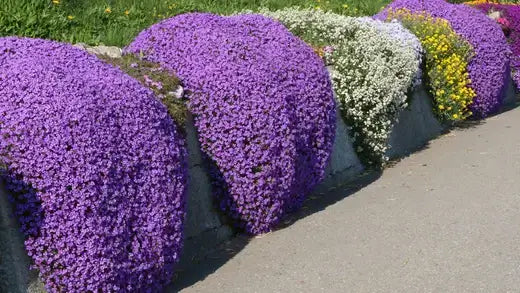
Ground Covers That Survive Harsh Weather: A Complete Guide
There are times when gardening can feel like you are fighting a war with the elements, with one season bringing unrelenting heat to bake your lawn dry, to the next season bringing deep freezes that transform your flowerbeds into a barren wasteland.
This makes the selection of the best plants crucial, as ground covers that can survive extreme weather are the unsung heroes of any resilient landscape. They are more than just pretty to look at, they are living armor for your soil, and can prevent erosion, retain soil moisture, and create homes for the local wildlife.
If you are tired of replanting every spring, and watching the fruits of your hard labor wither in the face of a drought, look at species that are built to last. This guide will look at some of the toughest to use natives, as well as some reliable classics, that will keep your garden looking great in dry times.
Top Native Ground Covers for Tough Conditions
When it comes to native plants, there is almost always a home-field advantage. They have spent thousands of years evolving to deal with the exact climate swings and peculiarities of their home region. Here are three outstanding examples of native plants that combine unmatched beauty with serious toughness.
Creeping Sedge (Carex pensylvanica)
Creeping Sedge is a champ for those problem shady areas where regular sod grass will not grow. While not technically a grass, it gives that soft, flowing look homeowners often seek that soft, flowing look homeowners often seek.
-
Uses
- Why it survives: Sedge is naturally life in dry, shady areas. It is highly drought tolerant once established. It has a thick, dense fibrous root system that not only helps keep soil in place, making it ideal for slopes, but it also helps fight erosion during heavy rainfalls.
- Garden Use: Creeping Sedge uses rhizomes (underground stems) to spread and is very low maintenance in that you can let it grow unmowed for a wild look or keep it neat by mowing it a couple of times during the growing season. This ground cover is great for areas where root competition is high, such as under oak trees.
Wild Stonecrop (Sedum ternatum)
Unlike other succulents that require full, hot days, Wild Stonecrop can grow in cool, shady, and damp areas. Also, it can still grow dry. This native perennial is drought tolerant just like other members of the Sedum family, but is still dry tolerant.
-
Sleep
- Why It Survives: Water storage is why. The fleshy, succulent leaves retain water, letting it survive drought that miltier plants wilt in. It does cold surprisingly well, too.
- Garden Use: In hing spring, tile Chirac. Wild Stoney top has a display of star white flowers that are popular with pollinators. It's ideal for rock gardens as it stays low, for filling gaps in stone pavering, or as an edging in a woodland path. It's tough enough to withstand rocky, lousy soil that other plants can't survive.
Foamflower (Tiarella cordifolia)
Foamflower is a perfect delicate looking tough ground cover. It has prised foliage, heart shaped leaves, with beautiful veiny designs and tall spikes with frothy white flowers or pink flowers.
- Why It Survives: Foamflower is a winter warrior. In milder weather, it stays in leaf, retaining its foliage when many other plants are dead or lacking leaves. it spreads with fast runners, letting it quick recovery from damage or severe winter die back when spring arrives
- Garden Use: Loves moisture and shade, meaning it can be used for rain gardens or places with heavy canopy cover. While it prefers moist soil, established colonies can dry for periods and still be okay. It’s an amazing "living mulch" that suppresses weeds due to its dense growth habits.
Other Resilient Contenders.
Native is great but several other ground covers have been spotted to be nearly indestructable. If you have particularly rough terrain, here are three tough options.
Periwinkle (Vinca minor)
Periwinkle is a classic and for a good reason. This evergreen vine trails, forms a thick mat of glossy leaves and is good year round. In spring, purple blue flowers cover the vine and it looks amazing. It toughs out shade and cold, even the deepest shadows beneath dense trees. Just be careful, it is an aggressive grower and will spread quickly.
Pachysandra (Japanese Spurge)
If you have deep shade and acidic soil, you go with Pachysandra. It is appreciated in professional landscaping since it forms a single, rich green carpet that is impenetrable to weeds. Very cold hardy, it also shuts off to heat if in shade. Once it is established, it is better drought tolerant, so baby it during the first season.
Ajuga (Bugleweed)
Ajuga has the unusual trait among ground covers, of having blue flowers and very decorative foliage that can be deep bronze, purple and patterned with white. It is fast growing with a dense ground covering capability that also weeds out weeds. It is also the most tolerant of foot traffic compared to Sedum and Foamflower. Likes a mix of sun and shade.
Tips to Help Dense Grow Covers in Testing Environmental Conditions
This is the first step to success. Once you have picked the right plant, you need to set your ground covers to survive the testing elements.
- Don't Just Dig A Hole: It's vital to prep your soil before digging a hole. Research your soil type. If you have hard-to-drain soil, like clay, you may have to alter your soil by adding an appropriate organic material. Plants like Sedum do very well in soil like this. If a plant, like Foamflower, is moisture-loving, ensure the soil can hold moisture but is not swampy.
- Sleep, Creep, Leap: A perennial automatically enters a 3 year cycle. During the first year, the plant is sleeping, the second year the plant is creeping, and the third year the plant leaps into full growth. Just keep in mind there is a 3 year cycle and have patience.
- Mulch Early: Young Ground cover will need mulch. The mulch will help the soil stay at the plant’s favorite temperature. The plant must be kept cool during the summer and insulated in the winter.
- Water Fully: "Drought hardy does NOT mean the plant will never need water. Instead, it means that once the plant is established, it can survive off the water it gets for long periods of time. Water drought hardy plants deeply and regularly.
Improve Your Landscape Today
Having a yard that does well in the weather isn't that hard to do. With the right types of ground covers, do the work for you. Everyone coming to your yard will be impressed for years to come no matter the weather.
Want to have a garden that lasts?
Don't hesitate to visit TN Nursery for the right types of hardy and native ground covers. Whether you need to work on a slope or fill up a dark space, TN Nursery has the right plants to do the work well.
FAQs
What is the most resilient ground cover?
Ajuga (Bugleweed) is one of the toughest ground covers around. It can get full sun or full shade and is a fast spreader. In the case of dry shade, however, Liriope (Lilyturf) is very tough.
What are the winter hardy ground covers?
A few plants that are winter hardy are Creeping Phlox, Wintercreeper (Euonymus), and English Ivy. These plants are also extremely cold tolerant. For your native options, Creeping Juniper also stays green and has no problem surviving freezing temps.
What is a ground cover where grass won't grow?
Moss is great for areas that show deep shade and have moisture. For dry shady areas where grass is unsuccessful, try Creeping Sedge or Pachysandra. These two plants do well in areas that are shady and won’t receive the direct sunlight that grass does.
What is the best groundcover for a steep slope?
You want something with deep roots to hold the hill in place. For sunny slopes, Creeping Juniper Creeping Juniper is a go to. For shady slopes, you can use Vinca Minor or English IvyEnglish Ivy, but be careful as these plants can become invasive.
What is the best ground cover to use instead of mulch?
A great ground cover to use instead of mulch is Creeping Thyme. It is great because it hugs the ground tightly, is fragrant when stepped on, and prevents weeds just like wood mulch does, but it adds life and even flowers to your garden.


