
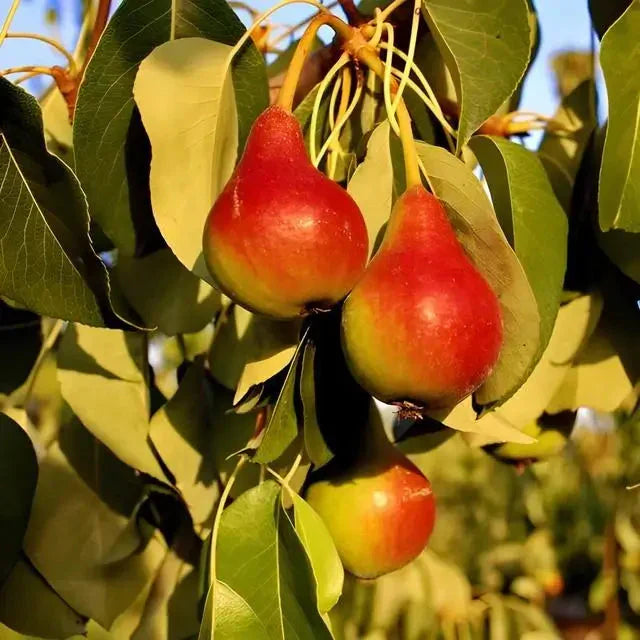
It has never been more appealing to create a garden that is both aesthetically pleasing and functional. You can make a landscape that feeds your family, helps pollinators, and makes the soil healthier by using edible native plants and choosing fruits, herbs, and flowering natives. Native plants need less care and help microbial diversity, add organic matter, and make roots healthier, which helps plants grow quickly and work well.
TN Nursery has been cultivating plants suited to the local area for decades. Elderberry, Pawpaw Tree, Echinacea Coneflower, and Wild Mint are all great plants to start with if you want to grow edible plants that look nice. This guide tells you what an edible native garden is, why native fruits, herbs, and flowers make great edible landscaping plants, which plants are the best, and how to plant and care for them.
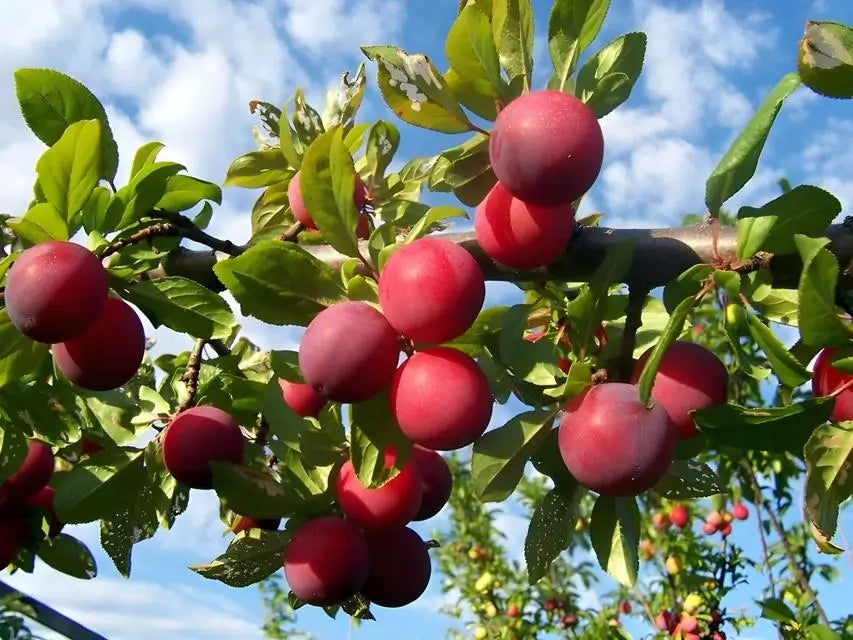
What Is an Edible Native Garden?
An edible native garden is a mix of plants that look aesthetically pleasing and plants that produce food native to your area. These landscapes have layered plantings of fruiting shrubs and trees, culinary herbs, and edible flowering natives that look like they were planned but are actually natural. Edible landscaping plants will give your beds colour, texture, and a steady supply of food while also helping wildlife.
Native plants help soil organisms and microbial communities get along with each other. Adding compost and maintaining healthy organic matter helps these beneficial organisms thrive, which in turn improves nutrient cycling and root health. The end result is plants that are strong and don't need as much water or other inputs over time.
Steps for beginners:
-
Fruit trees
- Choose 3 to 5 species that you can trust to start with.
- Add compost to the soil before planting to increase the amount of organic matter.
- For quick returns, plant a fruiting plant like Elderberry.
Why Choose Native Fruits, Herbs and Flowers for Edible Landscaping
Native plants are better at surviving because they are used to the climate and soil in their area. Native fruits, herbs, and flowers are naturally resistant to pests and stress in the area, which makes them great herbs for edible landscapes that last a long time. These plants help pollinators and keep the ecosystem in balance without needing a lot of chemicals.
Choosing native plants also helps make habitats with different levels that encourage a wide range of microbial diversity below ground and draw helpful insects above ground. If you want to grow food with little work, native plants are some of the best options.
Practical expert tips
- To get more pollinators to visit and more fruit, plant flowering natives with culinary herbs
- If you want to harvest faster while your tree crops grow fast growing fruit plants like elderberry
- In the spring, topdress beds with compost to feed soil organisms and keep organic matter in the soil
Top Native Edible Plants to Grow for Beauty and Harvest
Here are some of the best native plants that look good and taste good. These options work well in edible borders, mixed beds, and pollinator strips.
Native fruit producers
- The Pawpaw Tree makes fruit that looks like custard and grows well in partial shade
- The Elderberry tree makes berries that are great for syrups and preserves
- The serviceberry and blueberry trees are related and give fruit in the spring and flowers in the early season
Elderberry and serviceberry are two good choices for fast growing fruit plants that will give you results in a few seasons.
Native herbs for edible gardens
-
Dandelion smells good and is good for teas and desserts
- Native bergamot and mountain oregano are good for cooking and the environment
These herbs for edible gardens can be grown in borders and containers, making them easily accessible for harvesting and cooking.
Edible flowering natives
-
Echinacea Coneflower has edible petals and medicinal uses
- Violets and bee balm have delicate petals that are great for salads and teas
If you're a gardener and want to know best edible flowers to grow then start with coneflower and violets. They bloom reliably and taste good.
Suggestions for pairing plants
- For seasonal continuity, mix one fruiting shrub, several herbs, and several flowering natives
- For functional beauty, use herbs for edible landscapes along pathways
Planting, Growing and Maintaining Your Edible Native Landscape
Planning, preparing the soil, and taking care of the plants in a way that promotes long-term health are all important parts of making an edible landscape that works.
Preparing the soil and the site
Strong roots grow in healthy soil. To hold more water and make more nutrients available, add well-aged compost and organic matter. Encouraging a variety of microbes helps plants get nutrients naturally and makes them stronger.
Practical expert tips
- Check the pH of the soil and make changes as needed based on TN Nursery's advice
- When making beds, add a layer of compost that is 2 to 3 inches thick
- Help soil organisms by not disturbing the soil too much
Planting and placement
To make structure, put taller fruiting plants towards the back of beds or in layered guilds. For easy harvesting and a nice look, herbs and flowers can be planted in the front rows and on the edges.
- Water deeply when you first plant them, then cut back on watering to encourage deeper roots
- Mulch around the plants to keep the soil moist and protect the root health
- Move annual herbs to new containers every year to keep the soil fresh
Maintenance and harvesting during the seasons
Trim fruiting bushes to make them look nice and let air flow through. To help your herbs grow bushier, pick them often. Leave some seed heads over the winter so that birds can eat them and native flowers can grow back on their own.
Practical expert tips
- Pick herbs often to get the best flavour and strength
- Add compost in the spring and autumn to keep the organic matter alive
- Keep an eye out for local pests and use integrated pest management methods
For information on species and planting times in your area, check out the USDA Plant Database and the TN Nursery plant pages.
Conclusion
Edible native plants are a beautiful way to get to edible elegance. You can make landscapes that are productive, beautiful and good for the environment by mixing fruiting natives, culinary herbs and flowering plants that are safe to eat. TN Nursery has a wide range of high-quality plants, like Elderberry, Pawpaw Tree, Echinacea Coneflower and Wild Mint, that can help gardeners of all skill levels succeed. Your edible landscape will give you flavour and beauty for years if you take care of it seasonally, use healthy soil and plan it out well.
FAQs
What are the best native edible plants for beginners?
Elderberry, pawpaw, wild mint, and coneflower are all plants that are easy to grow and don't mind being neglected.
How can I design an edible garden that also looks beautiful?
For ongoing interest, stack fruits, herbs, and flowers by height, texture, and bloom time.
Are fruit-bearing native plants easy to grow?
Many of them are suited to the weather where they live and require less care once they are established.
Can herbs and flowers be part of edible landscaping?
Yes, they add colour, flavour, and smell, and they help pollinators.
Where can I find reliable native edible plants?
The nursery has a lot of native edible plants and detailed pages about each one.
What makes native edible gardens more sustainable?
They help soil organisms, increase the number of different types of microbes, need less water, and help animals.
What are the characteristics of edible flowers?
Ecosystem
The best edible flowers to grow are those that are safe to eat, have a mild flavour, and don't have any pesticides on them.


