
River Oats: Valuable in Nature and Beauty
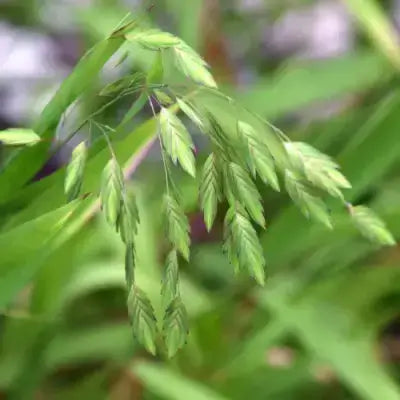
River oats (Chasmanthium latifolium) are North American and elegant, perennial grass Indigenous with remarkable adaptability. Also known as inland sea oats, Indian wood oats, or wild oats. They are prized for their graceful, nodding seed heads. River oats River oats grow best in damp, shady places which is why they are used in designing woodland gardens as well as in natural outdoor settings. River oats River oats are ecologically beneficial and also ornamental, contributing a lot to the visual beauty and ecological health of gardens.
Attributes of River Oats
River oats grow in clumps and have a height of 2 to 4 feet tall. The stems which are slender and arching are complemented with elongated, lance-shaped leaves which are also arranged in alternation. The leaves are relatively broad as well as generally 3 to 6 inches long and can be described as a strikingly blueish-green color. This color is a refreshing addition to any garden.
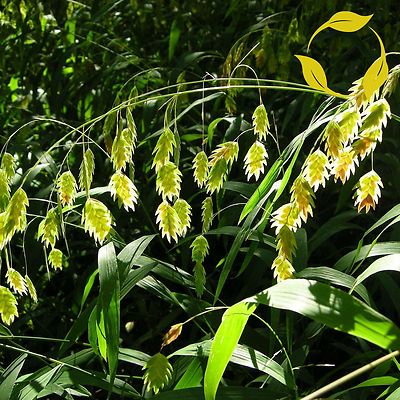
One of the most remarkable attributes of river oats would be the seed heads, which emerge in the late summer and linger on into the fall and winter. They consist of multitudes of flat branched spikelets that dangle on softly thinned and wiry branches, and the heads of the seeds dangle. They start off as light green buds, but eventually transform into a golden brown as they progress towards maturity and enhance the scenery with a seamless infusion of warmth. The slow oscillation of the seed heads when blown in a warm breeze produces a tactile sensation of soothing pleasure, making the river oats highly decorative floras in any environment.
River Oats Distribution and Habitat
Most river oats are located in the Eastern United States with their range stretching South to Texas and Oklahoma and North to Minnesota and Wisconsin. There are also populations that exist along the Atlantic coastal region. The river oats are widely known as one of the most versatile grasses, capable of surviving in numerous ecosystems such as: woodlands, floodplains, the banks of streams, and even roadside ditches.

The grasses like damp and rich soils and they thrive in fully or partially shaded areas. Because they can photosynthesize in very low light, they are great for shaded areas in woodland gardens and shaded environments. As river oats are ornamentals, they also provide support and shelter for local wildlife and help sustain their food webs. Their seeds are a vital food source for birds like goldfinches, sparrows, and small mammals such as chipmunks.
The Ecological Importance of River Oats
The river oats are important in sustaining diversity and improving ecological wellbeing. Their thick bundles offer crucial ground cover and rest for many animals, small mammals, and wildlife, as well as insects. The river oat seeds are important for birds in winter when food is hard to find.
Maintaining soil health and combating erosion are two more additional uses river oats have aside from endorsing wildlife. Because river oats have deep roots, they bind soil particles together, protecting soils from being washed out due to flooding and surface water erosion. Because these plants provide protection for water quality and soil erosion, they are very important to river and creek sides. Therefore, river oats are helpful for restoration and buffer zone projects for delicate water ecosystems.
Horticultural Uses of River Oats
Being of ecological use is not the only thing river oats serve for. Oats are also very important for landscaping and garden dada because of their ornamental use. River oats do well in wooded gardens, shaded borders, and other landscape designs because of their attractive seed heads and ease with shade. This plant also pairs well with many other herbaceous flowering plants due to the light texture of their foliage.
Players are fairly easy to take care of since they require little maintenance after being established. Well kept soil of river oats is very important since they are very picky with the moist soils in dry weather, especially in hotter places.
Cultivation and Propagation of River Oats
Propagating River Oats is as simple as collecting seeds, which can be done in the Fall as long as the Sarean heads have matured. One can start the seeds indoors in containers, while prepared soil can be patterned in waiting outdoors till the last frosts. In case of outdoor plantation, seeds must be scarified or stratified to maximize gains. This step allows the seed's papery coat to be shed easily and germinates, and creates a conducive environment for the sprout to flourish.
They prefer the soil to be mildly acidic to neutral and thriving in partial to full shade with moist, draining soil. Not needing to be micromanaged, river oats require an adequate distance to be maintained to optimize airflow. This minimizes the chances of fungal diseases that thrive in dense, dampened soil.

Maintenance and Care of River Oats
River oats are easy to care for after they have settled. Once grown, they are to be regularly watered during dry periods, and with a fused, balanced, slow release fertilizer for the initial duration of their growth. This would cultivate strengthened growth as well as essential nutrients for the river oats' extensive survival.
Gardeners looking for easy, dependable plants will appreciate river oats as they are typically unaffected by pests and diseases. In more humid settings, river oats may be prone to rust fungus. Gardeners should take preventative measures by avoiding overhead watering, as this may raise humidity, and they should also ensure there’s good wind movement around the plants.
Remember that the pruning of river oats can be done quite easily. Updated growth can be encouraged by cutting the plant back to the ground in late winter or early spring. Dead and damaged foliage can also be trimmed away, but some of the foliage should be left as shelter to help the plant’s crown survive the winter and to support animals that hibernate. Division may be needed every few years to renew and maintain the plant’s vigor in densely packed clumps.
Other Plants to Complement River Oats
In addition, river oats are also beautiful by themselves, but there are other plants that can be paired with them as well. For instance, river oats’ delicate leaves can be paired with the large leaves of shade-loving hostas to provide a stunning contrast in darker landscape areas. The soft, fluttering river oats’ seed heads also blend beautifully with flowering plants like Astilbe or bleeding heart (Dicentra spectabilis), helping to complete a woodland gardening look.
Conclusion: The Beauty and Value of River Oats
River oats are a one-of-a-kind and multipurpose species of grass that has numerous ecological and ornamental advantages. In addition to their stunning profile and decorative seed heads, river oats help maintain the balance of nature by providing sustenance to many species of wildlife and controlling soil erosion. No matter if your goal is to improve a woodland garden, or to add some charm and stability to a stream bank, river oats are an important plant to make both cultivated and natural landscapes stunning.
Are You Interested In River Oats For Your Garden?
If so, you may visit TN Nursery!
to obtain high-grade river oats and other local flora to enhance your geography. In addition, you're bound to find the piece of flora you are looking for, and if you are unsure of how to plant these exquisite grasses, you may find plant advice from specialists.
FAQs
Are river oats invasive?
No, river oats plants do pose a threat to other species. Their range seems to be to North America, and they grow in symbiosis with the environment. Even though overtly aggressive in the area they come from, they do not adversely impact the native ecosystem or an environment set as a garden.
Do river oats like sun or shade?
River oats plants enjoy either partial or full shade, and grow successfully in wooded garden areas or other places that receive filtered light. Some sun can be tolerated, but is not preferred; river oats plants do best in cooler, moist, and very shady areas.
Can you eat river oats?
Yes river oats can be eaten, with the seeds being a former food source for Native Americans, although rather uncommonly eaten in the present. One appreciating the plant can see that it is primarily used for ornamental purposes; river oats can also be used to illustrate the enhanced ecosystem that it serves.
What are river oats used for?
In private gardens and wider areas, river oats can provide ornamental value that is enhanced due to river oats being able to help control soil erosion; especially near streams and small rivers. Plus due to the wildlife value, the seeds also add to the river oats value.


