
Best Fruit Trees for Your Garden
There is nothing in the garden more tantalizing to the eye than the sight of a tree loaded with fruit‚ swinging in the air‚ with its rich colors and promise of sweetness in the days to come․ It is all about patience‚ nurture and‚ of course‚ the joy of reaping what we sow․ Choosing the right fruit tree for your backyard is not just about which tree gives the best fruit‚ it is about choosing a lifestyle․ A more self-sufficient‚ more sustainable‚ and more in tune with nature lifestyle can be accomplished by starting a fruit tree․ This article will cover what one can expect from several varieties of fruit trees‚ from sun ripened peaches to fresh picked apples․
One of the best things about planting fruit producing trees is that it will help establish a kind of ecological balance to your garden․ They provide habitats and attract birds‚ insects‚ and other animals that can pollinate flowers and generally make your garden a thriving environment for all kinds of wildlife․ In addition to improving the surroundings by taking in carbon dioxide and giving off oxygen‚ they can also provide the gardener with fruits of their harvest․ Nothing beats the thought of walking out our back door and picking our own fruit․ The health benefits of eating fruits are many and the things we can do with fruit‚ from jams and jellies to pies and cakes‚ are plenty․ By sharing them with family and friends‚ they become memories that last․
There is a wide variety of fruit trees available․ Choosing the type of fruit tree to plant in the garden can be a challenge․ The climate‚ type of soil‚ and size of the garden should be considered when selecting fruit trees․ Some trees are more tolerant of extreme weather‚ cold or hot‚ than others․ Try and consider trees that are native or naturally found in your area as they are more likely to be more adaptable‚ more hardy and more disease resistant․ There will also be size considerations․ Dwarf varieties are great for smaller yards‚ while larger varieties will need more space in which to spread․ Whether you choose a beautiful cherry tree or dependable pear tree‚ the choice of which tree to grow can be a time to weigh your preferences against your space․
Why Pollination is Important for Fruit Trees
Pollination is also a consideration‚ as some fruiting varieties will not produce fruit without the transfer of pollen between flowers․ Although some trees are self-fertilizing‚ others require the presence of a second tree for pollination and subsequent fertilization to occur․ This curious development shows the importance of biodiversity in the garden‚ and why it is necessary to plant varieties that are compatible with each other․ Where possible‚ the best solution might be to plant several species that bloom at the same time‚ and to help neighbors to plant complementary species‚ in the hope that it will lead to an increase in cross-pollination․ Where you can see bees moving between flowers‚ your fruit trees will have been pollinated and will be on the way to a good harvest․
Cultivation of fruit trees has seasonal and routine chores such as pruning‚ fertilizing and pest and disease control‚ and can be a year-round process for a grower․ Fertilization can be accomplished in the early spring when the buds of the fruit trees are first beginning to break dormancy after winter․ It is important not to let the soil dry out in summer‚ and to prevent competition from weeds․ Of course the most exciting time in the gardening year is harvest time․ There is nothing quite like the feeling that you get when you harvest your fruit after all your hard work․ Some apple or plum varieties are early‚ and some are not‚ but all remind us to be patient and persistent when tasting the first fruits of the season․
Well-Spaced Trees Grow Better
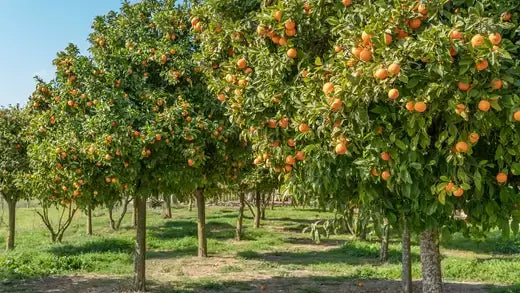
Space is another consideration when designing your fruit tree garden․ You may be tempted to plant an orchard‚ but it's important that you don't overcrowd the area and allow each tree to grow․ Well-spaced trees grow better‚ become established more easily‚ and are easier to manage․ Because trees have large root systems‚ we need to allow them room to practice their natural growth habit without competing for space․ Understanding how the species grows can help you determine how far apart to plant the trees‚ so that they have room to grow and have adequate exposure to air and sunlight․ Even if you are short on space‚ you can use techniques such as espaliering to have fruit trees without using too much real estate․
In conclusion‚ creating a fruit tree garden is a rewarding and fulfilling experience that can be both an asset to one's personal growth as well as aid to nature․ By carefully selecting tree varieties‚ understanding pollination‚ and seasonal maintenance‚ an idyllic oasis can be cultivated that provides sustenance and enjoyment․ To plant a tree is to begin a journey of fruits‚ memories‚ and lessons in endurance and care․ Just know that each tree you choose to plant will not only beautify your space‚ but contribute to the larger cycles of life and connect you with the very earth that nurtures us all․ Happy planting! For a fruit tree‚ as with life‚ it is a long wait before it becomes something and bears its fruit․


