
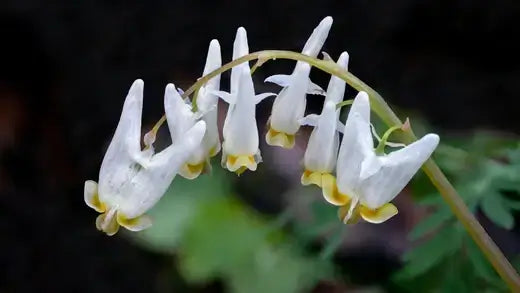
In the shady corners of the woods where the sunlight is sifting through the openings in the leaves overhead‚ the Dutchman's Breeches‚ with its diminutive white trousers suspended from a single slender stem‚ was the object of rapture to the first discoverer in the spring of the year; a perennial member of the poppy family․ The plant's flowers are said to resemble an old pair of pants and that is the origin of the plant's common name‚ Dutchman's Breeches (Dicentra cucullaria)․ These plants are of interest to both horticulturists and botanists․ The following essay will cover its reproductive ecology‚ culinary application‚ your plant care‚ ecological importance‚ and blooming period‚ in order to highlight its status as one of the most loved flowers in North America woodlands․
Reproductive Ways
Dutchman’s Breeches has developed a flexible reproductive strategy that allows it to thrive in a variety of habitats and conditions․ Dutchman's Breeches can reproduce by producing seeds and tubers․ The flowers attract pollinators such as bees‚ and produce sweet nectar in early spring․ Pollination occurs when the pollinator collects pollen from one flower and drops it on another‚ which encourages the formation of seeds that are then dispersed by the wind or animals that may eat the fruit․ The tuber system is another way that the plants can survive and grow back each year which can be helpful alongside its alternative reproductive method for the impact on average plant survival for Dutchman's Breeches in natural forest environments with issues such as climate change and loss of habitat․
Edibility
Dutchman s Breeches does have an edible history‚ though it is not particularly well known․ The plant can be used in a variety of dishes․ Young leaves can be eaten as salad in small quantities by adventurous eaters‚ but they should be taken with caution‚ as some portions of the plant contain alkaloids and can become poisonous when consumed in large quantities (above 100 g/day)․ Small‚ tender flowers are edible and can be used to decorate various food items‚ which is done in some recipes․ Ever since ancient times herbalists appreciated useful medicinal properties of the plant and created herbal medicine mixtures․ It is possible to forage wild plants‚ but care must be taken to recognize the plant and not disrupt the environment․
Dutchman's Breeches may be grown as a native garden plant․ As a woodland plant‚ they grow in rich moist‚ well-drained soils under trees in dappled sunlight‚ shaded from full sunlight above by leaves in the undergrowth or forest floor․ If plants are to be cultivated with survival in mind‚ they should be grown in conditions as similar as possible to those that occur naturally‚ that is‚ in soil with a high organic content and with a constant moisture level․ Due to its slow natural rate of spread‚ it has potential as a low-maintenance ornamental in shade gardens․ When planted amongst other spring-blooming bulbs‚ it has potential to create a colorful mosaic in spring gardens‚ and can support local wildlife populations․
Benefits
Besides being an attractive plant‚ there are many benefits to the presence of Dutchman's Breeches in forest communities․ It is a native species that provides early season nectar for pollinators that are‚ at the beginning of spring‚ emerging and in need of food․ Many of the visitors to Dutchman's Breeches for nectar and pollen‚ such as butterflies and bees‚ are also pollinators for many other plants in the community․ Helping Dutchman?s Breeches spread in human-altered areas is an important part of increasing the biodiversity of an area․ Teaching communities to recognize plants like Dutchman's Breeches can also help preserve diversity and promote growth of ecosystems․
Dutchman's Breeches is a perennial plant‚ meaning it will return in the same location every year․ Over the course of the seasons‚ it undergoes a number of changes which show a different aspect of nature's cycles․ Seed pods develop from flowers in the following weeks of the growing season‚ and these pods eventually dry and fall from the plant to the ground․ The Dutchman's Breeches plant dies back in summer‚ such that little remains above ground until the next spring‚ when the tubers sprout the following season from the tubers underground․ For the duration of this dormancy‚ a plant's cyclical life holds a lesson in gardening that reminds one to be patient and to take special care with the plants․
Dutchman's Breeches is not so difficult to recognize as it sounds․ Its delicate petals and unique flower illustrate a complex ecological relationship․ This flower represents extraordinary life in the underbrush‚ with its strange reproductive process‚ unique use as food‚ and importance in the ecosystem․ It is representative of the beauty of nature․ Obtaining knowledge about how to grow and take pleasure in this perennial will give both the gardener and the general public a greater appreciation of the natural world․ Projects to conserve this and other native species will not only help to preserve the population of the plant from environmental pressures‚ but will also help preserve the wonderful diversity of flora and fauna which inhabit the forested areas․


