
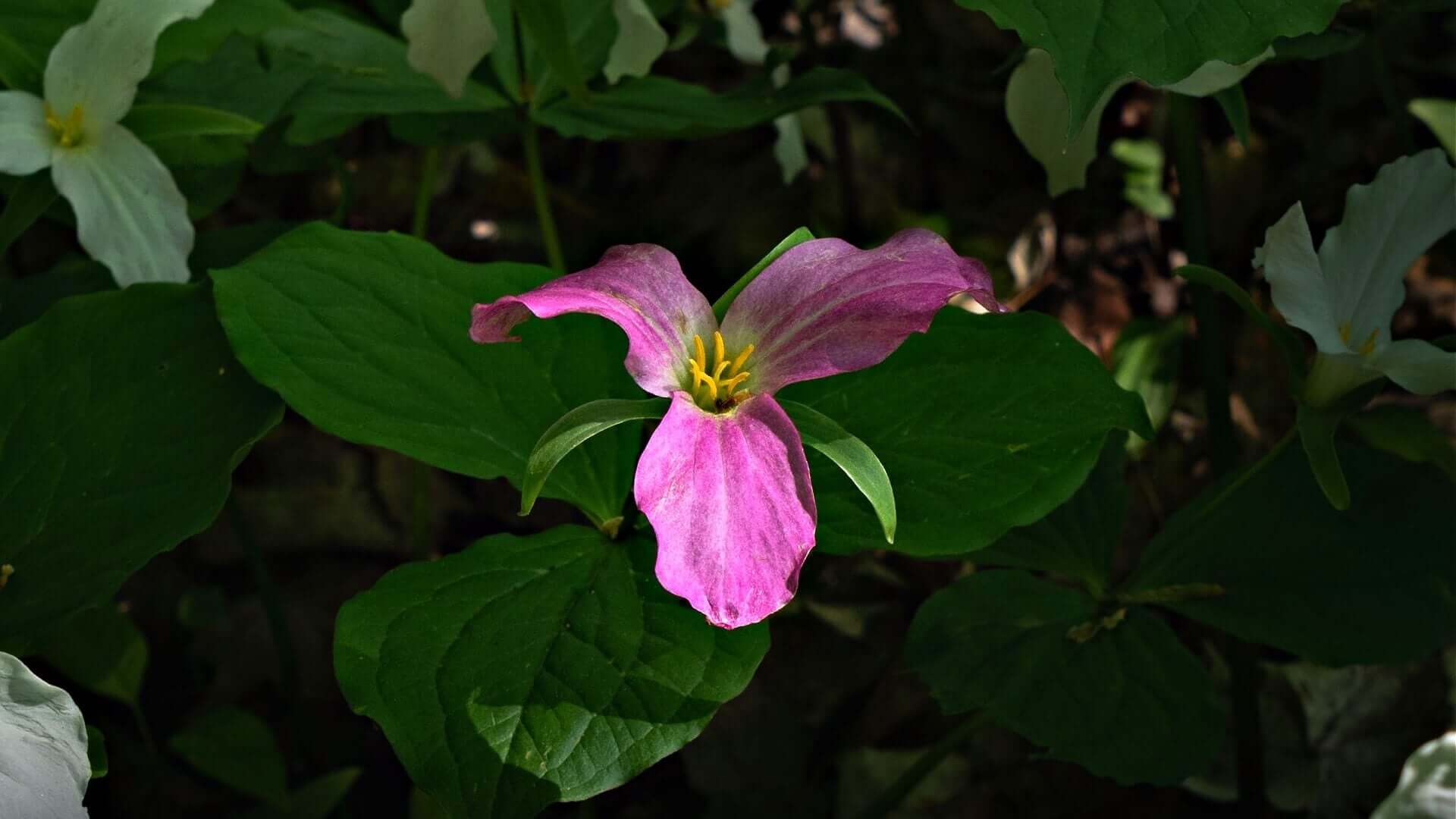
No‚ pink trillium is not extinct‚ but it is endangered‚ particularly in eastern North America․
No‚ pink trillium is not extinct‚ the error is because what most people call the pink trillium is in fact the last stage of the blooming of the Great White Trillium (Trillium grandiflorum)‚ a large flowered species which with age fades from white to a pinkish color․ There is a truly pink-blooming species‚ Red Trillium's paler cousin‚ and true relatives of the Nodding Trillium‚ but most of the time‚ when someone says "pink trillium"‚ they mean a white trillium older than average for that species․ All species are remaining‚ but several are rare in the wild‚ due to habitat destruction‚ over-collection‚ as well as low growth and reproduction rates․
This is important since many trilliums appear to be rare in some parts of their native range not due to extinction there‚ but because seedlings of wild harvested plants almost never survive transplanting after they are dug out of the ground․ This is one reason why buying nursery produced trillium is more a matter of conservation than of gardening success․
Why People Think Pink Trillium Is Extinct
This may partly be due to the relative scarcity of the pink trillium compared to white trillium‚ as well as the very long time it takes trillium plants to mature․ From seed‚ it can take about 5 to 7 years before it flowers‚ so a suspected empty patch one year may simply be the plants being young․ Combine the above with the fact that trillium doesn't move well from the wild into the garden‚ and it's not hard to see how the these must be dying out narrative was created․
And there are localized threats‚ too‚ like logging‚ intrusive plants and deer browsing in some areas․ Some populations of some trillium species have declined in some areas․ That's a very real conservation issue‚ but it's more localized decline‚ not extinction․
What the Pink Trillium Actually Looks Like
Whether an aged Great White Trillium or a true pink-flowering trillium‚ the flower has three broad petals‚ from 2 to 4 in (5․1 to 10․2 cm) long and wide‚ above a whorl of three diamond-shaped‚ leathery leaves‚ with prominent‚ paler veins․ Unlike many other trillium species‚ the flowering leaves do not have mottled or spotted colorations․
The white petals change color over a period of one to two weeks․ In April or May‚ a Great White Trillium Flower will open with white petals but will develop a tinged pink color around the margins of the petals before becoming soft pink to occasional dusty rose․ By this stage the flower is almost entirely pink‚ and it is this stage which is most commonly photographed and posted on the Internet‚ adding to the confusion between the two color forms and the pink species․
Cultivation of Pink Trillium in Tennessee and Southeast
The climate of Tennessee‚ and particularly the Cumberland Plateau and foothills of the Appalachians‚ is ideally suited to trillium‚ with the majority of the species growing best in USDA plant hardiness zones 4 to 8‚ covering most of the state․
Soil: Trillium prefers rich‚ humus‚ moist‚ well-drained soil․ It does best on the forest floor‚ as opposed to a garden bed․ An optimal pH range is 5․5 to 6․8‚ which is compatible with the naturally acidic soil beneath oak and hickory forests throughout Middle and East Tennessee․ If your soil is clay-heavy‚ amend it with leaf compost or aged pine bark before planting․
Light: Best in full to partial shade year round․ In the summer heat of Tennessee‚ morning sun with afternoon shade will work‚ but afternoon sun will scorch the leaves and bloom time will be greatly shortened․ This favors areas under closed tree canopy or on north-facing slopes․
Planting time: Fall planting‚ October to November‚ is ideal‚ as it allows trillium to go through a complete period of cold dormancy before the next spring's first growth․ However‚ potted nursery stock may be planted anytime in early spring‚ but avoiding its bloom time when the plant is stressed․
Watering: Keep soil consistently moist and not soggy․ A 2 to 3 inch layer of shredded leaf mulch or pine straw after planting can help retain the moisture during the dry summer months in Tennessee and‚ in addition‚ is similar to the leaf litter habitat of trillium․
In a realistic time frame‚ rhizomes that are newly planted may take the whole first year to grow and bloom․ If you see leaves but no bloom the first spring‚ do not panic․ In the second or third year‚ existing plants will produce flowers every spring․
Propagation: Patience Pays Off
Trillium can also be propagated by division of the rhizome in fall‚ cutting off a healthy piece of rhizome with one or more growing buds‚ and replanting this immediately at the same depth that it was growing․ Alternatively‚ trillium can be grown from leaf or seed‚ but this is quite slow‚ as those grown from seed do not produce a flowering plant for up to several years‚ so division is faster․
One thing overlooked in many care guides is that trillium seed needs a double dormancy cycle‚ which means it may take two full winters to germinate․ Don't be discouraged if they don't emerge the first spring when starting from seed․
Trillium and Deer
Another plus for Tennessee gardeners with deer pressure is that trillium is generally deer-resistant‚ if not completely‚ and young plants‚ including new growth of older plants‚ are especially palatable․ Established plants are tough enough to withstand the attentions of the jaws of the hostas and daylilies․
Companion Plantings for a Woodland Garden
Trillium plants are best suited to naturalistic shade gardens‚ used with ferns‚ wild ginger‚ and mayapple to form an attractive forest floor understory planting scheme‚ rather than as specimen plants․ Trillium can also be planted under a Kousa dogwood or pink dogwood tree‚ both of which provide dappled canopy shade and seasonal color that make a perfect pairing․ TN Nursery has a large selection of native perennials and flowering shade trees that will pair well with a trillium woodland bed․ They are field grown into an established plant‚ avoiding the problems that arise with wild-dug transplants․
The Bottom Line
Despite the legend that the pink trillium is going extinct‚ it is simply the white trillium flower undergoing its natural aging process․ If given the preferred growing conditions of shade and soil‚ and perhaps with some patience for their slow native growth cycle‚ trillium can become a favorite perennial plant to have in a Tennessee woodland garden despite their extinction rumor․


