
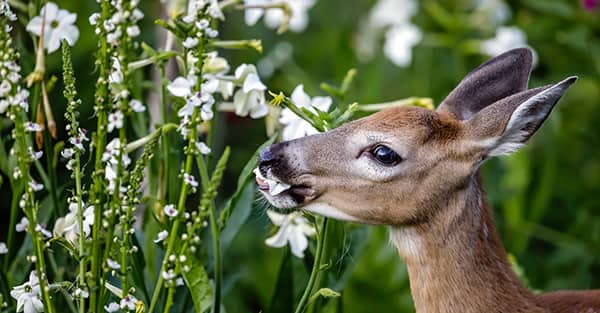
People who live in rural areas know how hard it can be to keep deer out of their gardens. Deer often eat soft plants without thinking twice because there are big open spaces and natural habitats nearby. Choosing deer hardy plants and reliable deer resistant plants helps reduce damage and keeps a garden healthy with less work.
This guide talks about the best plants, how to make rural areas less appealing to deer and which TN Plants from a nursery are the most durable.
Why Deer Hardy Plants Are Essential in Rural Areas
When you garden in the country, you have to work with wildlife instead of against it. Deer often look for new shoots, flowers and soft growth. Choosing deer hardy plants will keep your yard looking nice and cut down on the amount of replanting you have to do every year. Rural gardeners also like how deer resistant plants can keep vegetable gardens, young shrubs and flowering borders safe by making a buffer zone.
- TN Nursery has long suggested hardy native perennials because they have stronger root systems, adapt better to different types of soil and are naturally resistant to disease.
- Plants like Black Eyed Susan are great choices because deer don't like how they feel or smell.
- When done right, deer resistant landscaping also helps soil organisms, increases the variety of microbes and adds organic matter over time.
-
ferns
- Plant in groups so that strong smells and textures make a barrier
- Plant deer resistant plants that don't need much care near the edges of the garden
- Add height and structure by mixing flowering perennials with ferns
Best Deer Resistant Perennials for Long Lasting Color
Colourful perennials make rural areas look better and stay strong year after year. If you choose deer resistant perennial plants your garden will stay beautiful without having to replace them all the time.
Some perennials naturally keep deer away because of their strong scents, rough leaves, or bitter taste.
- The Purple Coneflower is one of the best plants that TN Nursery sells. Its strong stems, tough root system and bright flowers keep it colourful all summer long.
- It goes well with Shade Ferns, which add a soft texture and don't attract deer.
Benefits
- People who garden in the country also like Trumpet Vine because it grows quickly and has bright, trumpet shaped flowers.
- This vine draws in pollinators and adds vertical interest without being a target for deer.
Actionable Tips
- Pick at least three kinds of perennial plants that deer won't eat to keep things interesting all year long
- Use compost and organic matter to make the roots stronger
- Mix ferns and flowering plants to support both shady and sunny areas
Key Benefits of Planting Deer Resistant Species
Planting plants that deer don't like helps keep the rural landscape in balance. These plants make it easier to garden in the long run by cutting down on damage from browsing. A lot of gardeners like that these plants need less water and less pruning also less worry in general.
One big plus is that it doesn't need much upkeep. A lot of low maintenance deer resistant plants can grow in a wide range of soils and climates. They do well even when you don't pay much attention to them, which is great for people who have big yards or not much time. Species that deer don't like also help keep soil stable, add organic structure and support helpful soil organisms.
Black Eyed Susan and Purple Coneflower are two plants that bloom from early summer to fall, adding colour even when there are a lot of deer around. Ferns like Shade Ferns make wooded areas look lush and are naturally safe from browsing.
Actionable Tips
- Look for plants that smell strong, feel fuzzy, or taste bitter
- Mix different types of plants to cover the area all year
- Add mulch to keep the roots healthy and the soil moist
How to Create a Rural Garden That Deer Won’t Destroy
The first step in making a deer resistant plants for gardens is to plan the layout. Start by putting plants that deer don't like on the outside edges of your yard as these areas keep deer away from your more delicate flowers and shrubs before they get to them
Plants like Trumpet Vine and Anemone Plant can fill in vertical spaces and make natural screens. Trellises with vines on them also make your garden taller and harder for deer to get around. To make maintenance easier, fill empty spaces with low maintenance deer resistant plants.

To make a layered garden, TN Nursery suggests putting ferns with flowering perennials. By allowing different types of plants to grow in the same area, this design makes roots healthier and adds microbial diversity.
You can also visit the University of Minnesota Extension's website for reliable garden advice on how to choose plants that are safe for deer.
Actionable Tips
- Make plant beds with different heights of plants, such as tall, medium and low growing ones
- Use fresh compost every year to make the soil better and help roots grow stronger
- Put up natural barriers like raised beds, trellises, or thorny shrubs
Conclusion
Rural gardeners can protect their landscapes with less work if they choose the right deer esistant plants. TN Nursery has reliable plants that will last a long time and add colour to your yard. Some of these plants are Black Eyed Susan, Purple Coneflower, Trumpet Vine and Shade Ferns. They are also resistant to deer. These choices make gardening easier for homeowners who want plants that are beautiful, strong and don't need much care. If you plan ahead and choose the right plants, your rural garden will stay colourful and strong all year long.
FAQs
What are deer resistant plants?
Plants that deer don't like because of how they feel, smell, or taste.
How do you keep deer away from plants?
Use plants that deer don't like, add mulch, include hardscaping and plant in tight groups.
What are the best low maintenance Deer Hardy Plants?
Purple Coneflower, Black Eyed Susan, Shade Ferns and Trumpet Vine.
Which deer resistant perennials grow best in rural environments?
Native vines, ferns and cone flowers that are tough.
How do I protect new plants from deer?
Put up temporary fences, plant in groups and choose plants with strong smells.
Are native plants better for deer resistance?
Many native plants are naturally resistant and do well in rural areas.
Does TN Nursery ship deer resistant plants safely?
Yes, TN Nursery sends out healthy, high quality plants that are ready to be planted.


