
Daylilies: The Toughest‚ Most Rewarding Perennial for Tennessee Gardens
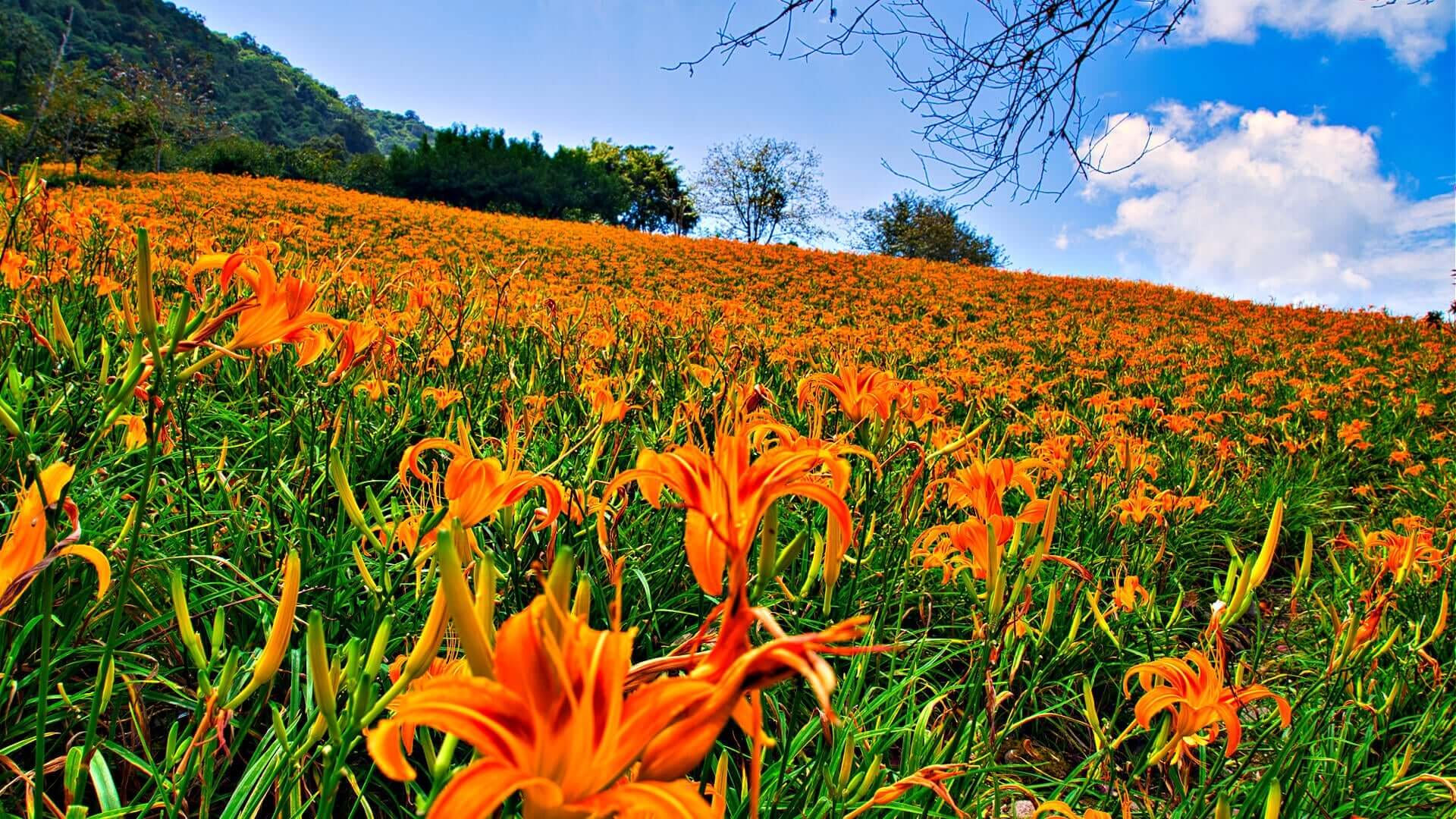
Daylilies (Hemerocallis) are the single most forgiving flowering perennial you can plant in Tennessee․ They grow in any sunny location within USDA Zones 3 through 9 with no fuss; once established‚ daylilies can produce dozens of flowers throughout a 4-6 week period․ Although the flowers last for just a day (hence the name)‚ new buds again appear in the next day's growth so quickly that most gardeners hardly notice the turnover at all․ If you ever had perennials that only required too much care‚ daylilies may be a solution․
Why Daylilies Do So Well in the Southeast
Tennessee's clay soil‚ humid summers‚ late frosts that sometimes drop from the trees and freeze perennials in their tracks all mean that other perennials sputter out‚ but daylilies don't mind them much․ They're native to parts of Asia with summers that are hot‚ winters that are cold enough‚ and soil that's mostly clay․ So they've adapted to just the sort of stress we're putting them through․
They solve one of the landscaping problems many owners face: how to hold an embankment together to stop erosion․ The plant's roots form a thick tuberous mass‚ which holds soil together better than most groundcovers․ Daylilies can be seen covering highway embankments across the state․ If you have a hillside that washes out every time it rains‚ plant it with a mass of daylilies that will bloom from May to July․
Types of Daylilies and What Actually Matters When Choosing
Although the distinction single vs․ double bloom is often discussed‚ for most rose gardeners the bloom timing and the rebloom habit are more useful․
Early bloomers flower in May‚ before most perennials are awake‚ while midseason cultivars flower in June‚ when daylily season begins in Tennessee․ Because of the late bloomers‚ the show can run until July‚ sometimes August․
The one that changed the entire daylily landscape forever was 'Stella de Oro' a short‚ golden yellow reblooming daylily that blooms from late May to fall if you deadhead those spent scapes․ Yes‚ it's ubiquitous to the point of being a cliche in commercial landscaping‚ but it's almost impossible to kill and flowers for months‚ not weeks․ If you want color that doesn't quit‚ start there․
For those who want more drama‚ 'Bela Lugosi' duplicates the deep purple and ruffled texture of 'Sally Cantale' (above left)‚ while 'Strawberry Candy' is pink with a red eye․ Not more difficult to grow‚ and equally tough‚ they are simply different in appearance․
There are also diploid and tetraploid daylilies‚ with tetraploids having good thick petals‚ and usually thicker stems‚ more saturated color‚ and more vigor․ That means they can hold their petals up through the torrential rains and thunderstorms native in Tennessee․ If your blooms look washed out and wilted after a hard rain‚ plant tetraploids․
Planting: Timing and Technique
In Tennessee‚ the best time to plant is from September to mid-November so that roots can grow before the summer heat․ First-year blooms on fall-planted daylilies can be heavier than blooms of spring-planted stock․ However‚ spring planting works because the daylilies are container-grown and the roots are resilient․ Just the same‚ spring planting will yield less abundant blooms the first year․
Dig a hole double the diameter of the root ball‚ and as deep as the crown was buried in its container․ Otherwise‚ the crown will rot if buried too deep‚ or the roots dry and die if too shallow․ For immediate mass‚ space 18 to 24 in (460 to 610 mm) apart and enjoy the space-filling over 2-3 years․ Closer spacing results in a denser look sooner‚ but there'll also be more dividing․
Water well at planting‚ and afterwards let the plants depend on the weather․ Once established‚ daylilies are drought-resistant enough to survive a deep watering during a July drought in Tennessee‚ but consistently watering during bud-set in late spring will yield a much greater number of blooms․
Ongoing Care
Daylilies prefer full sun to bloom best‚ but will survive in partial shade‚ though leggy․ They enjoy full sun and amended clay soil with compost‚ plus a spring feeding of a balanced fertilizer (10-10-10 works well)․
Regular deadheading of spent flowers throughout the main flowering season will produce a tidier plant․ A flower stalk (scape) can have a dozen or more flower buds‚ and removing spent flowers before they go to seed allows the plant to put more energy into more blooms․ It's not quite necessary maintenance‚ but if you don't do it‚ the plant still does fine‚ just a little messier․
Divide clumps of plants every 3-4 years when they have filled a space and the blooms are diminished․ Dig the whole clump in early fall․ Separate the fans (a fan is a cluster of leaves‚ with each fan being attached to its own root section) by hand or with a sharp knife‚ and replant with 18-24 inches between the clumps․ This is the fastest‚ most economical way to expand your daylily bed‚ one mature plant can be divided into 4-6 new plants․
Few pests affect the plants․ Deer may feed on the leaves‚ but typically do not disturb established clumps if other food is available․ In the southern summer‚ daylily rust may appear as orange spots on the foliage․ This disease is not usually fatal․ Removing and disposing of foliage in the fall reduces spread․
Daylilies in the Landscape
Beyond the straight border‚ daylilies can be massed at the foot of large shrubs‚ along fences‚ or traversing a transition from lawn to woodland․ Daylilies can be planned to create a color scheme for a bed that transitions from the early season yellows‚ to midseason pinks to oranges‚ to the deep reds and purples of late season daylilies․
They also combine well with ornamental grasses‚ which can help to mask tired-looking daylily foliage late in the summer‚ and with spring bulbs such as daffodils‚ whose flowering period concludes as the daylily foliage emerges‚ taking center stage in the garden․
Getting Started
At TN Nursery we grow a good range of daylily varieties well suited to Tennessee and Southeast growing conditions․ We are pleased to carry heat loving‚ rebloomers‚ and varieties that will stand up to the humidity related issues that sometimes show up in our climate․ If you are creating a new bed or filling in an erosion prone slope‚ a combination of early‚ mid and late season bloomers in several different colors will provide the longest possible bloom season for the least amount of work․ Few perennials give you this much color for this little effort which is why they have earned the reputation as the backbone of Southern perennial gardens․


