
Tennessee Garden Wildlife: Best Plants‚ Sowing Schedule‚ and Practical Tips for an Inviting Garden
To make a wildlife-friendly garden‚ you need three things: the real food and shelter provided by native plants‚ water‚ and a little bit of natural messiness․ Don't apply pesticides and don't rake up all the leaves in the fall․ Use natives that co-evolved with the birds‚ insects‚ and mammals in your area․ Do that for two or three growing seasons‚ and you'll be rewarded with more birdsong‚ more butterflies‚ and more of the kind of still activity that makes a garden feel alive instead of merely decorative․
Most of Tennessee lies within USDA plant hardiness zones 6b and 7b‚ with small pockets across the west‚ particularly near Memphis‚ falling within the 8a zone․ That being said‚ time of year is still an important factor․ Most trees and shrubs do better if planted in fall (October to early December) than spring because they have the entire winter and spring to grow before the heat of summer․ Keep this in mind as you read through the rest of the list․
Oak Trees: The Backbone of a Wildlife Garden
If you do nothing else‚ plant an oak․ Each medium-sized oak supports over 500 species of caterpillars that feed nesting songbirds‚ and a chickadee family needs 6000 to 9000 caterpillars to raise one brood․ There is a chain reaction throughout the food web․ That's an ecological weight no ornamental shrub can even begin to match․
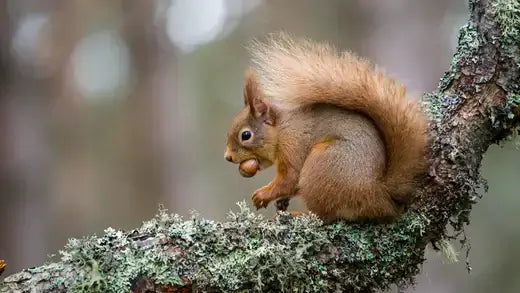
The slow-growing white oak (Quercus alba) produces sweet‚ low-tannin acorns that deer‚ turkeys, and squirrels prefer to most other oaks․ Cavities and loose bark in older trees are used as nesting sites by woodpeckers and screech owls․
Red Oak (Quercus rubra)‚ despite its more bitter acorns‚ is faster growing‚ establishing two feet in a single year․ Blue jays eat the acorns‚ burying thousands each fall and forgetting enough to reseed whole forests․
If you have a Tennessee property with the stony‚ thin soil of the Cumberland Plateau and the detailed ridges and coves of the rough country around Chattanooga‚ Chestnut Oak (Quercus montana) will flourish where most oaks struggle․ Its acorns are large and sweet‚ and the lichens and mosses that grow on its furrowed bark provide food for other animals․
Acorn production does not begin in earnest until the tree is well-established and matures․ This may take three to five years‚ and in fact‚ the tree may not have a reliable acorn crop in ten years․ Therefore‚ the sooner you can plant your tree‚ even if it is just a sapling from TN Nursery‚ the better․
Native Grasses for Cover and Nesting Material
Big Bluestem and Little Bluestem‚ prairie relicts also found throughout Middle and West Tennessee‚ provide habitat for ground nesting birds such as bobwhite quail and tohees․ Big Bluestem grows to 6 to 8 ft (1․8 to 2․4 m) tall by late summer․ It provides cover for many small mammals‚ allowing them to move through the grass in greater safety from hawks and other avian predators․ Little Bluestem reaches only 2-4 feet (0․6-1․2 m) high and turns rust-orange in October‚ providing finches with seed heads when little else is available during the winter․
Established plants are drought-tolerant (after the first summer) and thrive on poor soils as they do not need much fertilizer‚ and too much nitrogen causes the plants to flop․ Pruned in late winter‚ not fall․ This allows the seed heads and hollow stems to feed birds and to shelter insects that overwinter in cold weather․
Fruit-bearing trees and shrubs
Apple‚ persimmon‚ and elderberry each fill a different slot in the food calendar․ Persimmon (Diospyros virginiana) is native to Tennessee․ The fruit can be held on the tree long after frost‚ and becomes a pulpy mass that opossums‚ raccoons‚ and deer eat in late fall and into winter․ Elderberry flowers early in the summer‚ producing nectar for pollinators․ Its dark fruit are subject to predation by robins and cedar waxwings within hours of ripening․
An apple tree is more maintenance intensive: pruning and possibly spraying occasionally‚ if you want anything for human consumption․ But even a neglected tree will drop fruit that's good food for wildlife․ If the plan is to be low maintenance or even a true wildlife planting‚ consider persimmon or elderberry․
Wildflowers and Understory Plants
This is a place where a lot of wildlife gardens miss the mark․ People plant some trees and call it a day, but it's the understory where the pollinators live․ You want to grow milkweed for monarch butterflies‚ which use it as food for caterpillars․ Tennessee happens to be on a major migration route; whatever you plant here‚ it'll be used widely․
Goldenrod is not an allergen (ragweed‚ which blooms at the same time‚ is the culprit)‚ and one of the best forage plants for bees in the late summer season․ Marigolds are not native plants‚ but they can be companion plants which do not disturb a native ecosystem․ Cinnamon ferns are native ferns that thrive in the shady and moist spots under your oak canopy‚ offering perfect cover for toads as well as being ideal cover for birds foraging on the ground and in areas where grasses cannot grow under trees․
A Few Things Most Guides Skip
Leave the leaves․ Layers of winter leaf litter shelter overwintering moths and helpful beetles‚ as well as firefly larvae․ If the leaves are raked up every November, there won't be as many next July when fireflies are flashing․ Don't forget‚ the stems of many perennials may be the winter homes of native bees, and if you cut everything back in October‚ you're eliminating their habitat․
Add water if you can (a shallow dish‚ discreetly located‚ that you refresh a couple times a week gives you more birds than another flowering shrub)‚ and don't automatically assume that every insect is a pest․ Aphids on your milkweed mean ladybugs and lacewings will come and munch them‚ and that's the system working the way it's supposed to․
Instead‚ start with one or two like an oak sapling this fall‚ a stand of little bluestem next spring‚ and another milkweed the next year․ A wildlife garden never really finishes‚ but unfolds itself little by little‚ layer by layer․
"


