
Benefits of Vertical Farming
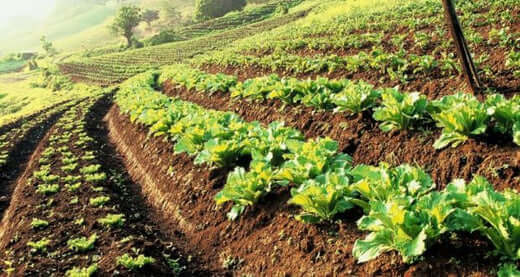
At the height of overpopulation and climate change‚ the idea of producing a viable source of food on an acre of land is at once an incredible challenge and an incredible opportunity․ The prospect of being able to feed not just a family but a community on one acre of land creates hope for conservation and balance in the ecosystem․ Vertical farming‚ crop diversification‚ planting native crops‚ crop rotation‚ crop season management‚ and Community Supported Agriculture (CSA) are all models‚ or practices‚ that could work well in the example of the 1-acre farm and can be replicated‚ in order to reach the goal of sustainable farming with this single acre‚ and to provide a model for the production of food․
Enter vertical farming‚ which could potentially be the way forward in this search for more productive yields‚ without the need for more fields․ Vertical farming is the practice of growing crops in stacked layers in controlled environments‚ optimized for maximum light‚ temperature‚ and water․ This provides both a larger yield and lowers the need for pesticides and fertilizers‚ making it more environmentally friendly․ Many types of leafy and herbaceous crops can be planted in the containers‚ as well as dwarf fruits‚ and it uses a fraction of the water of customary farming methods․ If you have one acre of land‚ a vertical farm uses every square inch on it; it's a huge model shift․
Crop Rotation Importance
Companion planting is sometimes mentioned as a viable practice of vertical farming․ Also related is crop rotation‚ the practice of alternating crops in a certain field to maintain the fertile quality of the soil over the long term and combat soil depletion‚ as well as breaking certain pest cycles․ For example‚ one good plant to use for this purpose is to plant a nitrogen-fixing plant such as a legume (beans‚ peas etc․) in the first year and then a plant that is a heavy feeder (such as tomatoes) in the second year․ The soil is improved and biodiversity and yield are improved: the soil can be used for generations․
In addition to considering this system as a sustainable source of food‚ native plants should also be integrated․ Native plants offer the benefits of biodiversity‚ attracting helpful insects and pollinators‚ and providing habitat and food for wildlife and native species‚ thus increasing the resiliency of the system as a whole․ By growing native plants with the crops in the plots‚ it encourages realistic processes to take place in the ecosystem and builds sustainability to reduce the need for industrialized treatments․ The land requires less water because the native plants are already accustomed to the area‚ meaning that the sustainable processes occur in the surrounding ecosystem․
One of the most important elements of one-acre food plot sustainability is seasonal crop planning‚ which consists of understanding how many days there are in the growing season and understanding the climate in a particular area to plan which crops are grown when․ Hardy vegetables such as kale and carrots can be planted earlier in the year‚ but crops such as tomatoes and peppers need warmer weather․ By planting along with the seasonal cycle one can ensure the highest yield and lowest risk of loss to frost‚ storm‚ drought or blight․ This strategy has the effect of ensuring a diverse supply of fresh produce throughout the year‚ while maintaining a sustainable food supply for local residents․
Community Supported Agriculture Models
Community-supported agriculture (CSA) may also play an important role in this sustainable food project․ Under a CSA plan people in the neighborhood would buy the farm's produce in advance and be guaranteed a share of the harvest‚ thus establishing a closer relationship between the farm and community․ This helps to foster consumption of local food and educate people about eating seasonally and sustainability‚ as well as to build community around the farm․ The shareholders may invest more towards the farm's success and even assist with the planting and harvesting․ Such models encourage a closer connection between people and their food and can encourage more healthy and sustainable diets․
Feeding ourselves and our neighbors from this one acre is a challenging and achievable goal․ With vertical farming‚ crop rotation‚ planting native crops‚ seasonality and a community supported agriculture program (CSA)‚ we will establish a sustainable food system year-round․ With time‚ care‚ and a little elbow grease‚ we will create a self-sufficient oasis of food․ This vision looks to not only solve the pressing challenges of food security and sustainability‚ but also to inspire collective action toward a healthier future․ As more people and communities engage in these practices‚ we can move toward a food system that nourishes the body and soul alike‚ and that fosters a relationship to the land for generations to come․


