
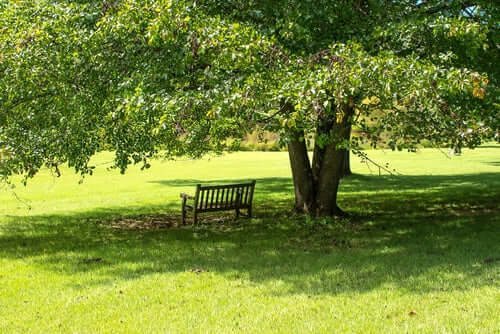
As the world becomes more urban‚ shade trees are becoming one of the best tools to make our cities livable․ They will not solve all the problems with living in a city‚ but they are a good start to provide a better situation for us and the environment in which we live․ As global warming and urban heat islands become a problem in many cities‚ these trees will serve to provide shade and respite from the sun‚ and that will be of concern to all of us․ Beyond that‚ these trees are important for the wider environment․ They provide habitat for wildlife‚ clean the air‚ and nurture countless generations to come‚ so selecting and planting them is a popular project‚ and a most important responsibility․
The Benefits Of Planting Shade Trees
Planting shade trees around your home provides several benefits‚ not the least of which is a potential reduction in the cost of your electrical bill․ For instance‚ you could save money off of air conditioning costs in the summer simply by planting some trees! Shade trees trap dust and pollen from air and are used as filters‚ and they can also provide oxygen due to photosynthesis․ The forests created by shade trees provide a shelter for many kinds of birds‚ insects‚ and small mammals‚ and also a food source for them․ Shade trees also have health and wellbeing benefits․ Research has shown that the presence of green space in an area reduces the levels of stress and aids wellbeing․ It also makes urban living more pleasant and provides more connection to nature․
Be sure to pick a shade tree that is suited to your area․ A well-loved and well-known group of shade trees are the tall‚ wide and long-lived oak trees and the stately‚ fall trees with red leaves‚ like the maples and others that are larger in size․ If you only have a shady garden‚ then hardy options include the noble sycamore and the linden tree․ Alternatively‚ plant native trees as these species should be best adapted to your region and will benefit local wildlife․ Ultimately‚ it all comes down to the character of that place‚ what its purpose is today‚ and how it fits into your longer-term strategy for the area․
Shade Trees Soil Preparation
Once you have decided on your shade trees‚ the next step to a healthy growing shade tree is to prepare the soil․ You want to select a location that receives ample sunshine and ample room for growth․ Any weeds or grass should be removed from the site․ The pH of the soil should be tested if possible․ Soil has a pH level at which it is easier for a tree to absorb nutrients․ Organic materials‚ such as compost‚ should be added to the soil to increase soil fertility․ Also‚ make sure the soil is well-drained․ Young trees may be damaged by constantly being in soil that is too wet for too long․ If you take care to prepare the soil well‚ you can have strong shade trees for decades․
Watering a tree is one of the most important things to do in the first couple of years․ Trees need a lot of water right after they are planted․ Deeply water‚ but less often‚ encourages the tree to develop its root structure․ Watering should be done during the critical first year of establishment․ The soil should be kept moist‚ but not waterlogged․ Mulch around the base of the tree․ Water in accordance with rainfall and season until roots have grown more deeply and the tree has developed more resilience and the ability to search for water․ Mulching helps to retain moisture and suppress weed seed germination․
Shade Trees Visual Appeal
Shade trees increase the visual appeal of a residential or commercial property by complementing the house or other buildings‚ providing further texture‚ diversity and color to the landscape․ One of the most important things you can do to make an ordinary back yard extraordinary is to plant a large shade tree․ The cool shade of a large oak tree can be a great place to have lunch or read a book․ Trees can also be used as visual focal points‚ guides to movement through the garden‚ boundaries to outdoor rooms‚ and even structures by which to circulate through the garden․ Many trees will also create a canopy as they mature‚ allowing the garden to become an outdoor space to be enjoyed by people while at the same time providing a feeling of calm․
In closing‚ the decision to plant shade trees can have a far-reaching effect‚ not only upon the home grounds but upon the neighborhood and the world․ When skillfully selected and cared for‚ trees will make any home more beautiful and ultimately extend far beyond it to create a lasting and positive impact․ Shade trees provide comfort‚ support wildlife‚ benefit mental health‚ and improve the aesthetic quality of our environment․ By taking up this challenge‚ we will join the ranks of caregivers who have gone before us‚ ensuring this abundance will be available for generations to come․ In a world where our lives are concrete‚ plastic‚ and disposable‚ seeing a tree grow is a reminder to have a relationship with nature and leave our land in a better condition than we found it․


