
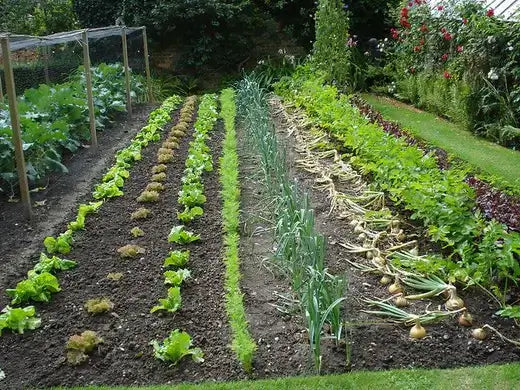
One of the most fascinating and satisfying things for children is working at a garden․ A children's garden is an apt place to see plants grow‚ but also to enter a schoolroom with a difference‚ a natural education where children learn by using their hands․ There are many lessons in responsibility‚ nurturing‚ and the environment that anyone from children to adults can learn throughout all the many stages in the process․ With a little preparation‚ from preparing soil to watering‚ pests‚ exposure to the sun‚ and the timing of planting‚ anyone can grow a beautiful and productive garden that provides valuable teaching experiences for younger people․
Soil
The first key to a successful garden is good soil preparation: use an unobstructed sunny site with soil which is suitable for growing the intended plants․ The earth itself must be brought to life‚ by loosening it‚ with diggers such as the spade and the trowel‚ so as to aerate it‚ and thus allow roots to breathe․ Compost or well-rotted manure are a great way of adding organic matter to the soil․ This will provide nutrients throughout the growing season․ Children should feel included by helping to mix the compost into the soil‚ giving them both a tactile experience and the awareness of the essential input required for a healthy place to grow․
Watering
When the garden bed has been prepared‚ a watering schedule should be developed․ Children love to see seeds turned into living green plants․ This experience provides a learning opportunity for the proper amount of water․ Over-watering can drown plants‚ while under-watering may dry them out․ A general rule of thumb is to water deeply but do not water too often‚ such as once every few days (depending upon the weather)․ You could ask the children to help decide when to water by looking at whether it has rained‚ feeling how dry the soil has become‚ or looking at the plants․ Creating a sense of responsibility and awareness of the state of plants and soil․
Pests
Gardening has its rewards‚ but sometimes it can be difficult coping with pests․ Fortunately‚ there are many natural ways to remove unwanted pests without using any form of chemical․ Teaching children about helpful insects like ladybugs and bees so they know that not all bugs are bad bugs and that we can attract helpful bugs․ Simple traps or barriers can be built using materials that are available․ In theory‚ this restricts chewing pests․ Finally‚ children can be taught to recognize the effects of a single pest and properly identify and deal with it․ Lessons on pest control can show students the importance of all animals to the ecosystem‚ in addition to problem solving skills․
A consideration for a children's garden is sunshine: most plants will do well in full sun and will need at least six hours of sun per day‚ while others may require partial shade․ Children can observe how the sunlight moves through the garden at different times of day․ This observation can help them to decide where to plant their plants in the garden so that each plant gets the amount of sun that it needs to grow properly․ The children will in this way learn to observe the flourishing and decay of plant life as something with natural periods‚ and will come to understand how important sunlight is to plant growth․
A child's garden should change with the seasons like the rest of the world outside‚ and a seasonal plant guide can show children which plants to grow in each season․ Spring flowers‚ leafy greens․ Summer tomatoes‚ zucchini․ Fall kids could plant bulbs to bloom the next spring‚ or they could harvest what they planted for the summer․ Winter might be a time to plan for the garden or learn about what is needed in each season to get the best from the plots․ A calendar to show them what to plant during each season should encourage them to look forward to the planting season and help them learn to be good stewards of the garden all year round․
A children's garden above all is about the learning and confidence that grow as one's knowledge and experience of gardening grows․ From tilling the soil‚ sowing the seeds‚ and caring for the plants as they grow through each season‚ every aspect of the experience offers lessons that go beyond the garden itself․ As children grow up observing the miracle of growth and the workings of nature‚ they will also learn patience‚ responsibility‚ and respect for the earth‚ through gardening in their youth‚ they will likely become gardeners and stewards to our planet throughout their life․ By teaching children the process of gardening‚ we hope to impart in them a love for nature and a desire to continue the legacy of gardening․


