
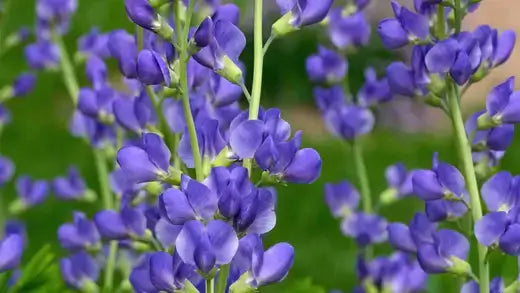
Blue wild indigo is a beautiful native shrub and annual plant that is known for its tall, bright blue flower spikes and lush green leaves. People like the blue wild indigo plant not only because it looks nice, but also because it helps the environment by bringing pollinators like bees and butterflies. It does well in areas that don't need much care, grows in a variety of soils, and puts on a long-lasting yearly show. At TN Nursery, we sell healthy blue wild indigo plants and give you expert advice on how to make sure your garden grows beautifully.
What is Blue Wild Indigo (Baptisia australis)?
An annual shrub native to North America, blue wild indigo (Baptisia australis) is a plant. It can be found in open forests, grasslands, and yard settings. The blue wild indigo plant adds height and colour to fields with its deep blue flowers that look like peas and bloom in late spring to early summer. It can handle dryness, bad soil, and full sun, which makes it a popular choice for farmers who want plants that look good but don't need much care. In addition to looking nice, blue wild indigo fixes nitrogen in the soil, which makes it more fertile, and it helps pollinators, which increases the variety of life in the area.
Key Features and Characteristics of Blue Wild Indigo
-
Vibrant Blue Flowers
From late spring to early summer, the blue wild indigo plant has beautiful spikes of deep blue flowers. These flowers not only make any garden look nicer, but they also bring in bees and butterflies. One of the main Blue Wild Indigo benefits is that it attracts more pollinators, which is good for a yard environment.
Lobelia
-
Easy to Take Care Of Growth
This annual plant can handle dryness and does well in a range of soils. The blue wild indigo plant doesn't need much care once it's established, which makes it great for farmers who want pretty plants that don't take a lot of work. Long-term health depends on getting enough sunshine and trimming every so often.
-
Weather
Good for the environment
Blue wild indigo helps wildlife and insects. Bees get juice from their flowers, and some butterfly larvae eat their leaves. It is also good for the environment because planting it fixes nitrogen in the soil, which makes it a healthy addition to any yard.
-
Suitable for a Range of Gardens
The blue wild indigo plant looks great in open hedges, wildflower fields, and formal garden plans. It can handle dryness and does well in fairly poor soils, which gives gardeners a lot of options for where to put it and how to plan the landscape.
Popular Blue Wild Indigo Variants for Your Garden
Blue Flag Iris Plant
Blue Flag Iris Plant is an annual plant that grows tall and has bright blue flowers. It likes to be wet. It grows well near streams, ponds, or wet yard spots. Its sword-shaped leaves add structure, and its spring flowers add colour early in the season and help bees in native and natural-style gardens.
Great Blue Lobelia Plant
The deep blue flower spikes of the Great Blue Lobelia are what make it famous. They bloom in late summer. It likes soil that is wet and some sun. This plant is good for rain gardens, forest areas, and mixed annual beds because it brings in bees and butterflies.
Dwarf Crested Iris
The soft blue flowers of the Dwarf Crested Iris, which bloom in the spring and stay low, have pretty crests. It grows slowly and covers the ground in shady or partly shady spots. This plant does very well in rock gardens, along edges, and in wooded areas.
Siberian Iris Plant
The Siberian Iris has thin leaves and beautiful blue flowers in late spring. It can handle cold weather and grows well in a variety of soils. This plant's leaves are interesting for a long time, and it looks good in hedges, cottage gardens, and naturalised areas.
Tips for Planting and Maintaining Healthy Blue Wild Indigo
-
Planting Location
Put your blue wild indigo plant somewhere sunny with soil that doesn't stay soggy. If you place plants correctly, they will grow strong, have bright flowers and be easy to care for. For added visual appeal, consider adding partner plants like lobelia or iris.
-
And taking care of the soil.
The blue wild indigo can live in dry conditions, but it does better when it gets regular watering until it becomes established. Keep the soil from getting too wet to avoid root rot. Taking blue wild indigo and keeping the plant healthy over time depend on having healthy soil.
-
Trimming and Help
For the plant to keep its shape, trim all the dead parts or broken branches after they flower. The blue wild indigo plant grows straight up, so it might not need much support in windy places. If you prune plants correctly, they will grow better next year.
-
Growing Things from Seeds
Suppose you want to grow more plants, learn how to plant baptisia seeds by soaking them first. This will help them sprout. It can be satisfying and cost-effective to grow blue wild indigo from seeds.
-
Growing and Caring for Blue Wild Indigo
The blue wild indigo plant does best in full sun and can handle a lot of different types of soil. Regular watering for the first year helps the plant grow strong roots. After that, it can survive without water. Lightly fertilise and cut back dead shoots after the flowers have died. Blue wild indigo is hardy and can grow well with little care. This makes it a great choice for low-maintenance gardening that still looks good and helps the environment.
Conclusion
The blue wild indigo plant is great for gardens because it grows quickly and doesn't need much care. It also has bright flowers. It's good for the area because it can bring in bees and make the land around it healthier. TN Nursery sells good blue wild indigo plants and gives good tips on how to plant and take care of them. This plant is good for the earth, keeps your garden alive, and color will stay there year after year, no matter how much you know about gardening.
FAQ's
When does Blue Wild Indigo bloom?
From late spring to early summer, blue wild indigo blooms, creating tall spikes of bright blue flowers that last for a while.
What does wild blue indigo look like?
It has tall, straight plants with blue flowers that look like peas and thick green leaves. The plants can grow up to 3–4 feet tall.
Is Blue Wild Indigo good for soil health?
Yes, the blue wild indigo plant fixes nitrogen in the soil, which makes it better for plants around it.
Where does blue indigo grow?
Blue wild indigo is native to North America and does best in wide open spaces, grasslands, and flower beds that drain well.
Is blue wild indigo good for pollinators?
Of course. Its blue flowers are attractive to bees, butterflies and other pollinators because they are full of nectar. This helps the wildlife of the area.
Where can I buy quality blue wild indigo plants online?
TN Nursery sells healthy, carefully grown blue wild indigo plants online, along with detailed instructions on how to take care of them in your yard.
Wild Indigo


