
Black Cohosh: The Complete Guide to Growing and Using this Native Woodland Herb
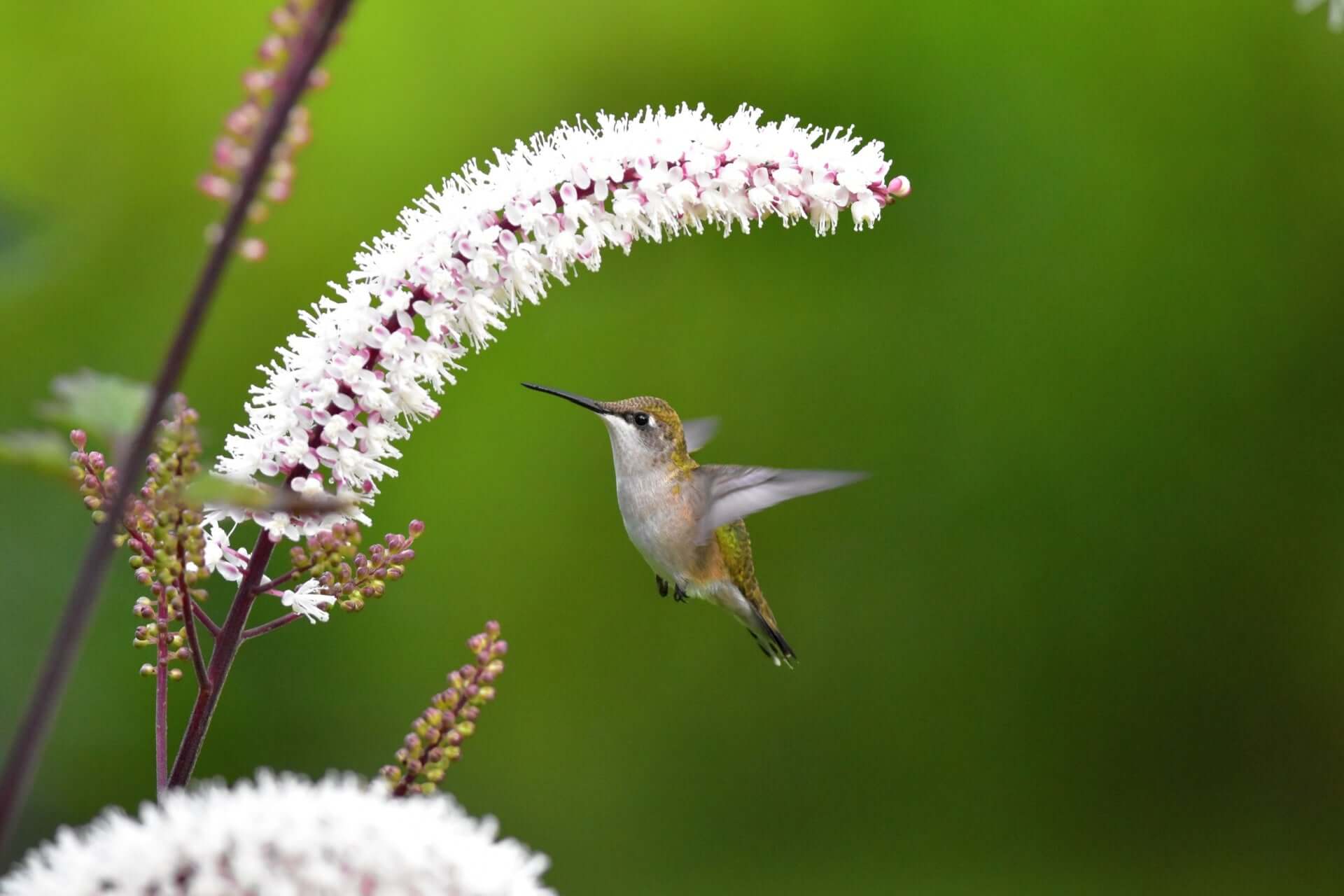
Native black cohosh (Actaea racemosa) is a perennial‚ partial to full shade groundcover with a 4 to 6 foot (1 to 2 m) flowering spike featuring white‚ bottlebrush-like flowers․ Black cohosh has been used for centuries to treat the symptoms of menopause․ It is hardy in USDA hardiness zones 3 to 8‚ which covers all of Tennessee and the southeastern United States․ If you're taking it as a supplement‚ the short answer is that while it's generally okay over short periods of use (and under proper medical guidance)‚ there are real risks associated with taking it daily for six months or more․
I will generally cover this plant on both sides when linked to‚ as most articles cover only one side of it․
Black Cohosh growing in Tennessee gardens
Black cohosh is native to the Appalachian Mountains‚ but is well-suited to growing in Tennessee․ It is found in the understory (the forest layer above ground) of deciduous forests from north Georgia to Ontario‚ in dappled to full shade‚ in acidic organic soil that is moist and rich in nutrients but not waterlogged․
For best results it should be planted in autumn or early spring‚ 18 to 24 inches (46 to 61 cm) apart‚ as when mature the clumps may be 2 to 3 feet (0․61 to 0․91 m) in diameter․ Soil should be slightly acid to neutral (pH 5․5 to 7․0) and improved with compost or leaf mold․ If your soil is mainly Tennessee clay‚ add organic matter to your soil‚ as black cohosh roots will rot in overly wet soil․
Black cohosh is not a plant for the impatient gardener‚ as two to three years are sometimes needed for the roots to establish and the plant to flower regularly․ Once established it may persist for decades in suitable locations․ It has a flowering period lasting only a few months in the summer months of July through September in Middle Tennessee․ In some of the species' range‚ the white flower spikes can appear to glow in the dark when seen outdoors at night in a woodlot‚ giving these plants one of their other common names: fairy candles․
These plants prefer that their roots stay moist during the dry season in their first two years of growth․ After that‚ they can survive short periods of drought‚ and prefer about one inch of weekly watering․ The crown can be protected by shredding leaves or bark into mulch in the autumn‚ which is vital during the hot summer months when Tennessee's extreme heat can dry the soil to the roots' detriment․
Other native‚ shade-loving perennials to plant with black cohosh in a woodland setting can be found at TN Nursery․ The underplantings, trillium and wild ginger, are good plants to choose along with the more vertical Solomon's seals, higher in the upper tier of the woodland garden‚ echoing the arching nature of the black cohosh flowers․
Medicinal use of plant․
Long before European colonization of the Americas‚ Native Americans used black cohosh root as a remedy for arthritis pain and fever‚ and for other medicinal uses․ By the early 19th century‚ American herbalists were using the dried rhizome in various preparations․ It is used to treat menopausal symptoms in women‚ particularly hot flashes‚ night sweats‚ and mood changes (vasomotor symptoms)․
The exact mechanism by which it works is not clear, and it may instead be working through neurotransmitter systems rather than as an estrogenic molecule; see below for safety issues related to these two mechanisms․
Who Should Not Take Black Cohosh?
Because it causes contractions of the uterus‚ it should be avoided during pregnancy․ Some midwives have followed its cautionary use to induce labor and have perceived a positive effect if used late in pregnancy; it should not be used during early pregnancy․
Those with a history of estrogen-dependent tumors (such as breast cancer) should consult an oncologist prior to using metoclopramide because of the unknown effect of metoclopramide on such tumors‚ although avoiding metoclopramide is reasonable in all such cases as a precautionary measure․
Additionally‚ liver damage has been reported with the use of black cohosh‚ and the U․S․ Food and Drug Administration (FDA) has required warning labels for some products containing black cohosh․ If you have liver disease or are taking medications that are metabolized by the liver‚ talk to your doctor before taking black cohosh․
Finally‚ because black cohosh has been shown to potentiate the effects of blood pressure lowering agents and sedatives‚ caution should also be taken with these medications and herbs․ If you are on any sort of prescription medication‚ that five-minute conversation with your pharmacist is well worth having beforehand․
Is Daily Use Safe?
Most of the clinical studies of melatonin have been done over a short-term use of daily treatment (six months or less)‚ and most doctors agree that's a reasonable time frame for using melatonin with relative safety‚ although information is more limited after a six-month period․ The liver problems mentioned above are a key factor if melatonin is used regularly for months at a time․
If you're taking it for menopausal symptoms‚ take it for 8 to 12 weeks‚ and ask your doctor whether the therapy should continue longer at that point․ This isn't necessarily how you should take it‚ but it may be how some products are marketed․
Choosing a Form
Capsules or standardized pills are usually the safest way because you have a set amount of the ingredient and you can see whether or not there is an overall positive or negative effect on your body․ Tinctures or liquid extracts provide the most concentrated amount of the ingredient you are using, so that you can get more of the effect in less time․ Be sure to stay under the recommended dosage․
Most popularly consumed as a tea from the dried root of the plant‚ but how do you standardize for brewing time‚ or amount of root‚ or do you even get the right part of the rhizome? If you like that kind of ritual‚ it's not a bad one‚ but I would suggest not relying on it as a reproducible dose․
One caution: if you are going to do it‚ you should buy it from a reputable source‚ and start off at the lowest dose recommended․ If you're just growing it for the sake of growing it‚ and for the garden value‚ that's a perfectly valid reason too․ Not every black cohosh planting has to end up as tincture․
"


