
The Importance of Soil Testing
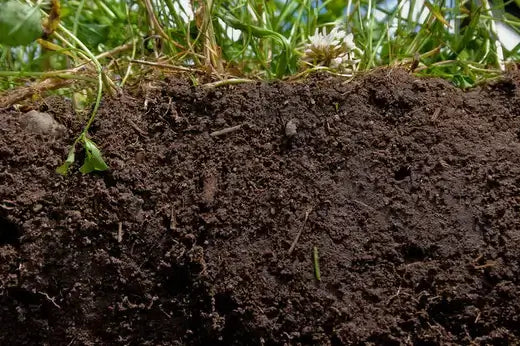
The foundation of the garden is the soil under our feet․ In ornamental gardening‚ soil is often neglected‚ in favor of the beauty of plants‚ flowers and trees․ This is a mistake‚ as the soil‚ which will always remain and will always be the foundation of the garden‚ is very important․ The quality of your soil can have a huge impact on growing plants‚ and having well-balanced soil may be key to growing stronger plants‚ larger crops‚ and maintaining a healthy ecosystem in your garden for the long term․ This essay will provide some tips on improving soil quality to ensure that the foundation of your garden is healthy and nourished‚ leading to a fruitful and rewarding gardening experience․ Read on to find out some tips on how to improve soil quality․
Before discussing soil improvement options‚ it is important to understand what a soil test is and why it is a good idea to have one done․ Just as you should have a regular check-up for your health‚ a garden and its soil should have a regular health check-up․ Analysis of soil nutrients‚ pH‚ and organic matter can provide information on what nutrients‚ if any‚ your soil may need to provide an optimal growing environment․ Soil testing can prevent the unnecessary expense of applying fertilizers or organic matter to the soil when the soil may not need them․ Soil test kits‚ which are commonly sold inexpensively at garden centers‚ or you can send a soil sample to your local agricultural extension office‚ can allow you to make more informed decisions about what your soil needs․
In Europe and North America‚ the most successful way to improve the quality of degraded soil is by use of cover crops․ These crops are not harvested for marketable products but cut and plowed into the soil to improve its quality․ Cover crops such as clover‚ rye or vetch are sown to reduce soil erosion‚ suppress weeds‚ and improve the compost quality‚ structure or fertility․ They grow and take the nitrogen from the air and then make it available for plants․ By tilling in cover crops‚ they decompose and provide the soil with nutrients‚ which will help feed the next plants you decide to grow in your garden․ Cover crops help build soil‚ and they also help to build an ecosystem that is well-suited to plant life and helpful insects․
Retaining Moisture In Soil
The moisture of soil is another factor of concern to cultivators‚ who should ensure that the soil does not dry out or‚ conversely‚ become too wet․ These are common problems․ For organic mulch‚ straw‚ wood chips or wood mulch‚ and shredded leaves are good choices․ Mulch retains moisture by reducing evaporation‚ improves the soil temperature‚ prevents soil erosion‚ and reduces the number of weeds that can compete for moisture and nutrients․ Water retention in your soil can also be improved by the addition of organic matter‚ such as compost‚ to the soil mix․ Organic matter can create a sponge-like structure that holds water while allowing for drainage to ensure that plants are not deprived of moisture and not subject to drowning․
Another practice in improving the soil involves the aeration of the soil; over time‚ soil may compact‚ preventing root growth and water infiltration․ Soil aeration can be performed mechanically using a soil aerator or manually using a garden fork․ It can be performed by creating holes or grooves in the soil to allow air to penetrate․ Loosening up the soil helps to provide and maintain the environment in which helpful microorganisms and earthworms can thrive‚ forming a system of soil aeration that occurs naturally․ It also helps improve the soil's ability to hold water and nutrients‚ and so results in more vigorous plant growth․ Aerating your garden periodically can help with soil quality‚ and the problems of waterlogging in the root zone․
PH Level Adjustments
The pH of the soil has to be maintained to ease the correct uptake of nutrients present in the soil․ Plants have a suitable pH for growth and if the pH is not maintained to this level‚ poor growth or complete loss of the crop may occur․ Soil pH can affect the availability of nutrients for plant growth․ You can adjust the pH of your soil by making it more alkaline with lime‚ or more acidic with elemental sulfur․ The ideal pH for your soil is what your plants will be happy at․ Most vegetables do best at a pH of between 6․0 and 7․5‚ so it is well worth testing your soil and making sure that it is somewhere in this range to ensure that your garden will be as productive as possible․
One thing you can do to improve your soil is to make several small changes that will produce big results in your garden․ Improving your soil can be as simple as testing your soil‚ planting cover crops‚ holding moisture in your soil‚ aerating your soil‚ and making changes to your soil's pH․ By using these suggestions you are building a better growing environment for your plants and a sustainable environment for plants and animals alike․ It can provide better growing conditions for your plants and make gardening a more pleasurable experience where you will see your plants thrive along with the plants and animals that utilize them․ If you want your garden to be a work of art‚ then spend time and energy building your soil․


