
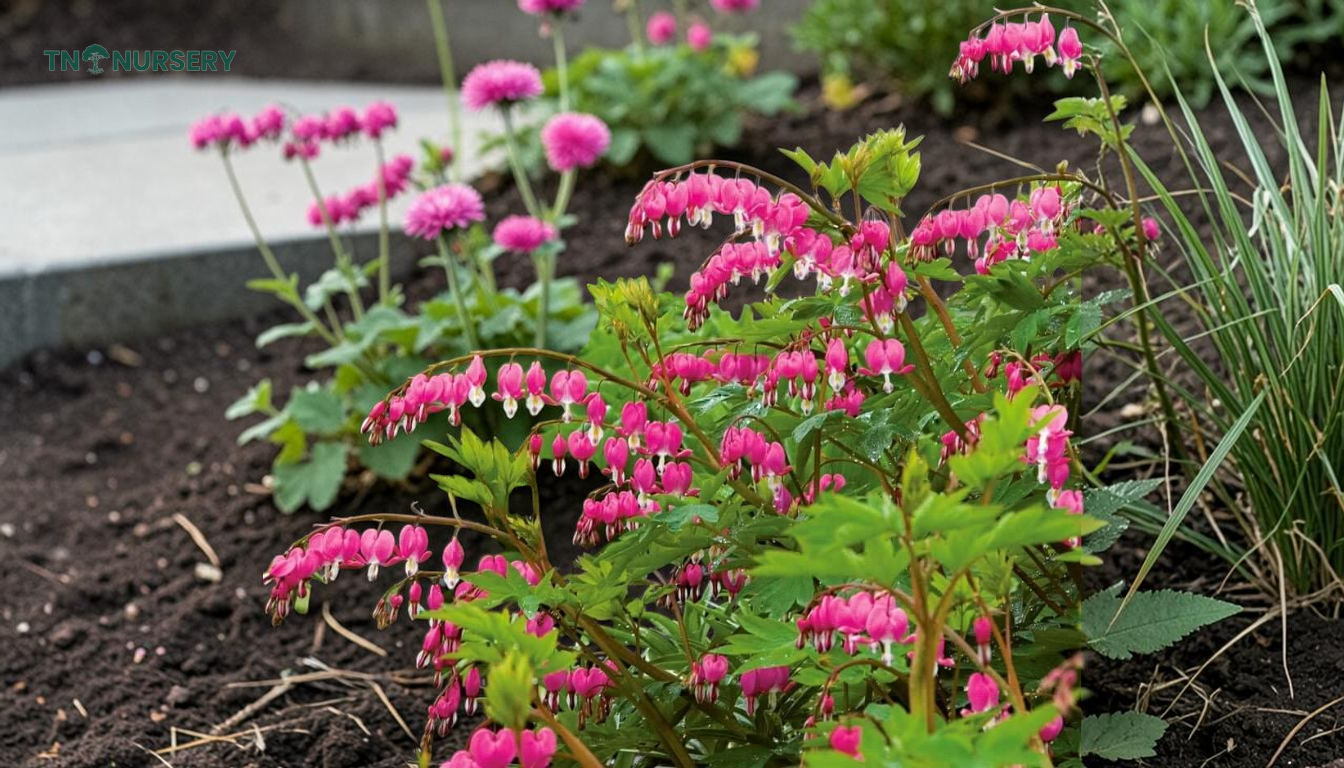
Deer Resistant Perennials That Handle Heavy Clay Soil
We plant perennials for poor drainage where roots need staying power. You'll find reliable color, stronger coverage, and fewer bare spots in tough zone 6 beds.
Clay Soil Doesn’t Have to Limit Your Garden
- Why clay soil blocks air, slows roots, and causes drainage trouble
- How 15 Old Fashioned Perennial Favorites fits zones 3-9 and spring-flowering beds
- What to plant in wet, dense ground instead of forcing fussy plants to survive
- When fall planting helps perennials settle before summer heat
Zone 6 Garden Picks for Clay Soil and Wet Spots
If you're planting deer resistant perennials or filling a soggy low area, these picks keep the job simple. We grouped them for real yard problems you'll face, from shade borders to rain gardens and dry edges in perennials zone 6a.


How We Plant Perennials in Heavy Clay
Clay can grow excellent gardens. You just need to work with it, not fight it. Before we plant deer resistant perennials, we always check how fast water moves through the bed and pick plants that can handle slow drainage while they settle in.
How to choose the right deer resistant perennials?
Start with plants matched to your site, not just your wish list. Our deer resistant perennials collection is useful when browsing pressure is part of the problem, and it is selected by growing zone to improve establishment.
If your bed stays damp after rain, go straight to moisture-tolerant choices. Our Rain Garden Trio for damp clay areas fits spots where water collects, which makes it a practical pick for perennials for poor drainage.
Test drainage before you dig
- Dig a hole about 12 inches wide and 12 inches deep.
- Fill it with water and let it drain once.
- Fill it again and time the drop.
- If water is still sitting after 24 hours, treat the area as a wet site.
Clay is not bad soil. It just asks for the right plant in the right hole.
How we improve a clay planting hole
We dig the hole two to three times wider than the root spread, but not deeper. That wide opening helps roots move sideways into dense ground. And in clay, sideways growth matters more than a deep pocket.
- Rough up the sides: slick shovel walls can trap roots
- Plant high: set the crown slightly above grade in heavy soil
- Mulch lightly: keep mulch off the crown to avoid rot
- Water deeply: soak, then let the top inch dry
What are the best deer resistant perennials to buy?
For mixed beds, our old fashioned perennial favorites for zone 3-9 gardens give you a broad planting range and spring bloom, which works well for many perennial flowers for zone 6 gardens. If you garden in perennials zone 6a, that zone span gives you breathing room.
Need a larger shady area filled fast? Our 50 perennials and ferns package for shade borders is built for partial to full shade and landscaping use. Keep in mind, these plants ship bare root, so the first season is about root growth more than a huge top show.
And if your clay bed swings from wet spring to dry summer, our Best Seller Trio perennial collection is a simple way to start with proven performers. For broader planting ideas, you can also browse our Perennials collection and compare sun and shade needs before you dig.
How to Help Clay-Soil Perennials Settle In Fast
Clay soil can grow strong gardens, but it needs a better start than loose loam. When you plant deer resistant perennials like our deer resistant perennial collection, give roots air, steady moisture, and room to spread.
We use the same approach with our old fashioned perennial favorites and the rain garden trio. Both can handle real garden conditions, but heavy clay still asks for careful timing and lighter hands with water.
How to choose the right deer resistant perennials?
Start with the wetness of the site, not just the flower color. If your bed stays damp after rain, our rain garden trio for damp clay spots fits better than forcing a dry-site planting into sticky soil.
For mixed borders, we like the deer resistant perennial package for home landscapes because the assortment is selected for your growing zone. Keep in mind, no collection is fully deer-proof, especially in lean seasons.
Mulch and spacing that actually help
- Mulch lightly: Spread 2 inches, not 4. Thick mulch over clay can trap too much moisture.
- Keep stems clear: Leave a small gap around crowns so new growth stays dry.
- Give plants room: Tight planting slows airflow and keeps clay wetter longer.
- Group by moisture needs: Place the rain garden trio in the lowest spots first.
What are the best deer resistant perennials to buy?
For broad planting zones, our perennial flowers for zone 6 gardeners are a strong place to begin because this collection grows in zones 3-9. If you garden in perennials zone 6a, fall planting often gives roots time to settle before summer heat hits.
Want texture too? The perennials and ferns package for shade borders helps soften heavy beds, especially where nearby perennial grasses or shrubs leave patchy shade. And if you plant an asters perennial from a mixed collection, avoid soggy crowns in winter.
- Water deeply after planting: Soak the root zone, then wait until the top inch starts drying.
- Plant a bit high: Set crowns slightly above grade so clay does not bury them.
- Choose the season well: Early fall is usually our first pick for clay beds.
“In clay, planting depth matters more than people think. A crown set too low can struggle all year.”
Shop Proven Perennials Zone 6a Picks for Clay Soil Gardens
If your beds stay heavy after rain, start with plants chosen for return performance, easy color, and fewer losses. We grouped these four options to help you shop deer resistant perennials and dependable perennial flowers for zone 6 with less guesswork.


Clay Soil Mistakes That Hurt Perennials
Clay soil can grow tough, long-lived plants. But it also exposes planting mistakes fast. When customers ask us why deer resistant perennials failed, we usually find one of three issues: too much water, roots buried too deep, or hard-packed soil around the crown.
How to choose the right deer resistant perennials?
Start with plants matched to moisture and zone, not just flower color. Our deer resistant perennial collection for zone-ready gardens is selected by growing zone, which helps if you garden with heavy clay and shifting rainfall.
If your bed stays damp after storms, skip guesswork. The rain garden trio for wet clay spots fits low areas where water lingers longer than you want. For mixed borders, old fashioned perennial favorites for planting zones 3-9 give you a broad zone range and spring bloom, which suits many perennial flowers for zone 6 gardens.
Overwatering is the first common mistake
Clay already holds water. So daily watering can leave roots sitting in cold, airless soil. We tell customers to water deeply, then wait until the top layer starts to dry.
"Heavy soil needs patience. Wet roots rot faster than dry roots struggle."
Planting depth matters more than most people think
Do not sink the crown below the soil line. In clay, that extra inch can trap moisture right where stems meet roots. That is a fast path to rot, especially with mixed plantings like our best seller trio of proven perennial performers.
What are the best deer resistant perennials to buy?
For difficult clay, we prefer zone-matched collections over random singles because the plants are selected for regional success. If you grow perennials zone 6a, that matters. And if you want texture near flowers, clay-friendly groupings can pair well with perennial grasses already in your bed.
Do not ignore compaction around the root zone
- Loosen a wide planting area: Break up the soil beyond the root hole so roots can move outward.
- Do not glaze the hole: Smooth, hard sides act like a pot inside the ground.
- Keep mulch light near crowns: Piling it on holds too much moisture.
- Give plants time: Clay-grown roots often establish slower, but they can hold well once settled.
One honest tradeoff: clay soil is slow in spring. That means some plants wake up later than you expect. But once established, beds can support dependable color, including classics often used with asters perennial plantings in late-season borders.
Frequently Asked Questions
What are the best deer resistant perennials to buy for clay soil?
If deer pressure is part of your problem, we usually point customers to our deer resistant perennials in the 10 Deer Resistant Garden Plants package. We choose the assortment for your growing zone, which matters in heavy clay because stressed plants get hit harder. Keep in mind, no plant is fully deer-proof. But this collection helps reduce browsing while giving you a mix of texture and long-season garden interest.
How do I plant perennials in heavy clay so they actually survive?
Start by loosening a wide area, not just a tight planting hole. Clay holds water, so roots need room to move outward. We also suggest planting slightly high rather than sinking crowns too deep. For mixed beds, our 15 Old Fashioned Perennial Favorites works well in zones 3-9, including many perennial flowers for zone 6 gardens. And if you are wondering what plants to plant in the fall, perennials are a strong pick because cooler soil and steady moisture help roots settle in before summer heat.
Which TN Nursery collection works best for poor drainage?
For low spots or beds that stay damp after rain, the best fit is our Rain Garden Trio. We built it for moisture-loving perennials that handle consistently wet soil better than standard border plants. If your area is soggy for days, this is a better choice than forcing dry-soil plants to struggle. That is especially helpful when you need perennials for poor drainage instead of trying to fix the whole site at once.
Can I grow a large clay-soil planting in shade?
Yes, and shade often helps clay stay cooler and more even in summer. Our 50 Perennial & Ferns Package is a practical choice for big borders because it includes 25 ferns and 25 perennials selected for your zone. The listed exposure is partial to full shade, and the package is used for shade borders and landscaping. The tradeoff is scale. Fifty plants fill space fast, so you will want your layout ready before they arrive.
Are your perennial packages a good fit for zone 6 gardens?
Yes. Several of our collections fit perennial flowers for zone 6 and perennials zone 6a gardens well. The 15 Old Fashioned Perennial Favorites, 50 Perennial & Ferns Package, and 10 Deer Resistant Garden Plants all list zone compatibility that includes zone 6. We match many package selections to your growing zone, which helps when winter cold and spring wetness hit at the same time.
How does shipping work for live plants from TN Nursery?
We ship all items by 3-4 day ground shipping. Several of these perennial packages, including the 15 Old Fashioned Perennial Favorites and 50 Perennial & Ferns Package, are marked Ships Now in their product details. If you need help before or after ordering, email us at customerservice@tennesseewholesalenursery.com. You can also reach us at Tennessee Wholesale Nursery, 12847 State Route 108, Altamont TN 37301, United States.
Do you accept returns or offer refunds on perennial orders?
We do not offer refunds, and we do not accept returns. We also do not offer a warranty unless an extended warranty is purchased at the time of order. If there is a problem, we may offer a reshipment based on the situation. If you need order help, contact us at customerservice@tennesseewholesalenursery.com so we can review it with you directly.
Conclusion
Key Takeaways
- Clay soil can support long-lasting gardens when you choose perennials matched to moisture, sun, and zone.
- The 15 Old Fashioned Perennial Favorites offers flowering plants for zones 3-9 with mixed blooms and flexible light needs.
- The 10 Deer Resistant Garden Plants package helps address deer pressure, though no perennial is completely deer-proof.
- The Rain Garden Trio is a practical fit for damp beds and other areas with poor drainage.
- Zone 6 gardeners should focus on establishment care first, especially watering and mulch during the first growing season.
Plant deer resistant perennials that handle clay soil
Ready to stop guessing? We grow perennials for zone 6 gardeners who need plants that can take heavier ground and come back strong.
