
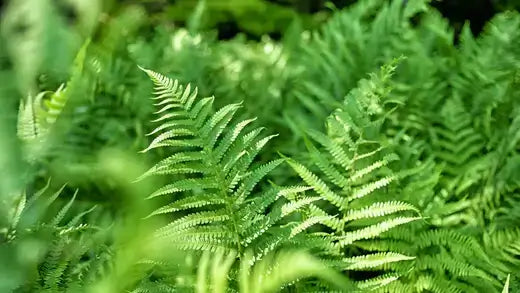
Enhancing Your Garden with Ferns
When it comes to plants that can present the beauty of a garden scene‚ you can't exceed ferns․ Ancient plants that have stood the test of time‚ their elegant‚ lacy fronds can bring color and texture to outdoors․ Ferns can survive in low light and in areas that stay damp․ They can be used in a garden to make it look more colorful‚ or to provide a relaxing background that makes the flowers of other plants in the garden stand out more․ We're going to be talking about the best ferns for your garden‚ and some of the most beautiful ferns that are easy to grow or adaptable to different climates․
Ferns are often used in the garden because they will grow in the shade where most other plants will not․ A good choice of fern for the garden is the Japanese Painted Fern‚ which has highly ornate silvery blue foliage that seems to flutter in the breeze and is certainly at home in the shade․ The lady fern is also a favorite‚ as its soft lacy fronds will soften the edges of pathways and contrast with smooth stone or hard edges․ The ostrich fern is another exceptionally beautiful fern․ It has wide‚ arching fronds that make a statement among the landscape of a fern-covered shade bed․ Unlike most plants‚ they thrive in low light and when planted together‚ they bring to life the most uninviting area of darkness through a mixture of colors and textures‚ making a garden exciting‚ alive‚ and lush‚ even in areas where other flowers would not survive․
Ferns Are Low Maintenance
Very few plants are as important to the low-maintenance gardener as the ferns are․ The Autumn Fern is one of the most adaptable and resilient of the bunch․ There are two hardier ferns as well․ One is the copper fern: the new fronds of the Toad Fern shade from copper to green as they unfurl in spring․ Another example is the Common Polypody‚ which can withstand a range of different conditions from damp to dry soil․ It does not require much pruning and is rarely affected by pests‚ so it is an option for a gardener who is too busy to prune the plants or check for insects․ With the appropriate selection of ferns‚ you will be able to create a wonderful garden․
The Blue Zinger Fern is an attractive specimen for the texture it adds to the garden․ This fern's finely-textured blue-green narrow foliage contrasts beautifully with the broader leaves of other plants in the garden․ The Lace Fern has such finely divided fronds that they sparkle and glisten in sunlight (hence the name‚ lacy)․ The Lace Fern would add a different texture to the plants in the landscape architecture․ This would give the viewers something to focus on as they walked through the plants․ Combine the various types of ferns together for a more enticing layered look by varying the heights‚ shapes and sizes‚ creating more depth in the garden or landscape that can be admired․
Color also plays a role in selecting ferns for use in a garden․ One fern chosen is the Autumn Brilliance Fern‚ in which the golden-yellow color of the fronds contrasts with the darker green of most other plants in the garden․ Silk Tree Fern is an evergreen fern․ The foliage is light green and deepens in color as the growing season progresses․ These fern plants are useful in brightening a darker corner of the yard or garden․ Ferns also work well as a background to show off the colors of flowering plants or the texture of bushes‚ giving a combination that rewards the eye with changes in color and form all summer long․
Ferns that Like Moist Conditions
In gardens which are subject to some flooding‚ or where standing water collects‚ moisture-loving ferns such as the Royal Fern make decorative plants for growing in close proximity to ponds and streams․ It likes wet areas but has many other benefits as well․ The Sensitive Fern is a good plant to use in wet areas and will add drama to the garden because the leaves can appear to glisten․ Though they can be easy to care for and resilient when close to water and wet soil‚ if planted around water features or wet spots in the garden these ferns can help to create a mysterious‚ alien world in a garden that has enough moisture for them to thrive in․
In conclusion‚ ferns can help make your garden an oasis of peace‚ beauty‚ and diversity․ Many types of ferns are suitable for the home garden‚ whether in the sun or shade․ You can also have low maintenance‚ textural‚ or color highlights․ Choosing the good ferns for your garden means planting not only the seeds of an ensuing riot of color and shape but the mood for a place both plants and visitors will enjoy․ Through careful thought and selection‚ your fern choices can create a richly textured‚ beautiful place that celebrates nature's art and brings joy and serenity to you for many years․


