
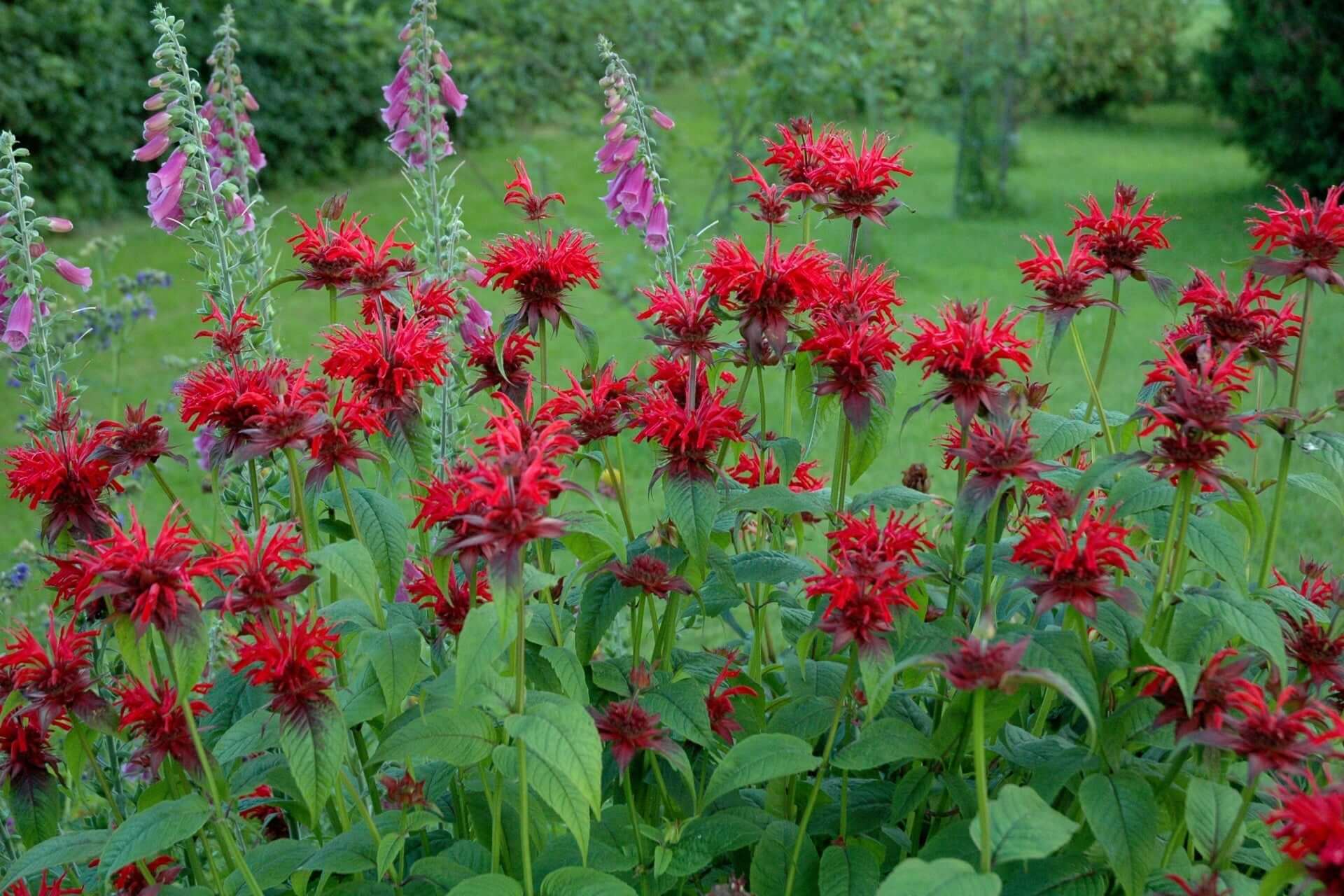
Adding bee balm to your yard is one of the best things you can do. The bee balm plant comes in bright colors and has nectar that bees, butterflies and hummingbirds love. It also adds color to your yard. Bee balm is liked by many farmers because it is easy to grow, flowers for a long time and naturally helps pollinators stay healthy.
This blog talks about bee balm care and how to grow it also what plants go well with it and the benefits for pollinators and how to make an eco friendly garden full of living things that thrive. There are useful tips and step by step instructions for growing bee balm plants, whether you are doing it for the first time or making a current pollinator space better.
What Is Bee Balm and Its Role in the Garden
Bee balm, which is sometimes called Monarda, is a hardy annual plant with frilly flowers that smell like mint. It does best in full sun and soil that is full of nutrients that help a variety of microbes and strong roots.
-
Environmental
- It helps butterflies, bees and hummingbirds all through the season because it produces nectar all the time, which many farmers like.
- The plant also spreads slowly, making yard beds look full and lush. One type of garden plant that stands out is bee balm.
- It does well in cottage gardens, pollinator patches and eco friendly settings. When you put it with long blooming plants like Milkweed, it has a bigger effect and more places for pollinators to live.
Quick Benefits of Bee Balm
- Long lasting flowers that attract many kinds of pollinators
- Strong scent that keeps some garden pests away
- Great choice for growing bee balm to attract pollinators
- Blends well with native plant groups
Actionable Tips
- Pick a spot in the sun with well drained soil
- Put in compost or other organic waste to make the soil healthier and more fertile
- Water regularly when the plant is young to help it grow deep roots
Benefits of Bee Balm for Pollinators and Garden Health
Having bee balm around to bring good bugs is one of the best things about planting it. Native bees, butterflies and hummingbirds can get plenty of nectar which makes your yard more colorful and ecologically balanced and also planting bee balm for pollinators is good as it makes the backyard environment healthier and also the roots help keep the land stable and encourage a wide range of microbes. When you plant Butterfly Milkweed and other plants that pollinators love in your yard - it becomes a wildlife magnet.
Key Benefits:
- It makes a lot of nectar for bees and hummingbirds
- It helps fruiting and flowering plants get pollinated naturally
- It increases biodiversity and improves soil structure
- It looks great with annual beds for a fuller look
Actionable Tips
- Grow groups of bee balm to help insects find your plants
- Don't use chemicals that hurt birds that eat nectar
- Use mulch to keep the soil moist when it's hot outside
How to Plant and Care for Bee Balm
Bee balm plant care starts with putting it in the right place. Every day, bee balm needs at least six hours of full sunlight. That said, the soil should drain well and have a lot of organic matter to help nutrients move around and roots grow strongly. This part will teach you how to grow bee balm, from planting it to bee balm care it during different seasons.
Advice on Planting
- Make a hole that is just a little bigger than the root ball
- Add compost to the soil to help creatures that are good for the soil
- Put plants 18 to 24 inches apart to let air flow and lower the risk of mildew
Ongoing Care Tips
- Give it a lot of water during the first growing season to help the roots grow
- Split clumps every two to three years to keep them strong and keep flowers coming out
- Remove the deadhead blooms to make the blooming last longer
Growing bee balm plants instructions are frequently sought after by gardeners because they guarantee lush growth and better flowers year after year.
Companion Plants That Enhance Pollinator Gardens
Planting plants next to each other helps pollinators do their job, keeps the soil's moisture level stable and improves its health. Many native plants look great with bee balm, especially ones whose bloom times are spread out. During the growth season, this method helps many kinds of pollinators.
Flower species that have a lot of juice, like asters, black eyed Susans, coneflowers and milkweed, go well with bee balm. These pairings make habitats that are interesting and welcoming for both butterflies and bees by adding different textures and heights.
Why Companion Plants Matter
- Give insects food all the time
- Make the garden look better and more organized
- Help the earth stay healthy by having different types of roots
Actionable Tips
- Pick plants that bloom early and late in the season so that you can get juice all year long
- Put the taller plants at the back of the yard bed
- Every year, add mulch and compost to keep the earth healthy
Creating a Butterfly Friendly Garden with Bee Balm
It's fun and easy to make a garden that butterflies will love. Bee balm gives butterflies everything they need, from food to a place to stay. When you add milkweed and other plants that pollinators need, your garden becomes a safe food source for species at all stages of their lives.
A lot of butterflies are drawn to the shape and color of bee balm flowers. This is why knowing how to grow bee balm correctly is so important for anyone who grows plants for pollinators. This plant comes back every year and does well in raised beds, sunny borders and cottage style gardening.
Butterfly Garden Enhancements
- Give them a mix of host plants and nectar plants
- Put out small water sources
Actionable Tips
- Keep the area free of pesticides
- To help monarch birds, plant bee balm near milkweed.
- Put down some flat stones so butterflies can get warm.
- Allow natural leaf litter to build up, which provides a home for helpful insects.
Conclusion
Bee balm is a great plant to have in a yard that cares about pollinators as its sweet nectar with bright flowers and ease of care make it perfect for gardeners who want to add beauty and natural balance to their space. When you put bee balm with companion plants like milkweed, you make a great environment for pollinators that looks great and makes your whole yard look better.
FAQs
Where is the best place to plant bee balm?
In a sunny spot with organically rich, wet soil that drains well.
How does bee balm attract pollinators?
Butterflies, bees and hummingbirds are naturally drawn to its bright flowers and nectar filled petals.
Which plants grow well with bee balm?
Susans
Some plants that like to be in the sun are milkweed, coneflowers, black eyed Susans, asters and others.
How do I care for bee balm perennials?
To keep mildew from growing, water it often, split up groups every few years and make sure there is good airflow.
Will bee balm grow in pots?
Yes pick a deep pot and make sure the soil stays wet but can drain well.


