
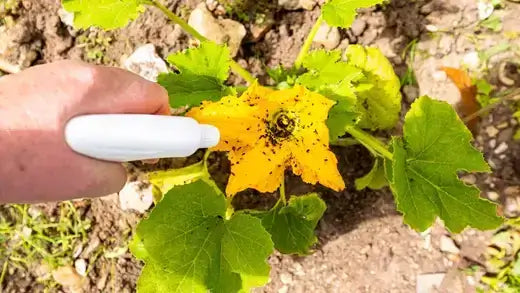
Autumn also sees an increase in garden pests‚ which if uncontrolled can destroy any plants you may have grown․
Nine of the worst fall garden pests in Tennessee and the South occur when temperatures range from the 40s to the 50s․ They are aphids‚ whiteflies‚ slugs‚ snails‚ spider mites‚ cabbage worms‚ earwigs‚ squash bugs and stink bugs․ Each of these species is a little different in what it does and how best to control it․ If you know your pest and know why it's there in the fall‚ you've saved yourself weeks of guessing․
Tennessee has a unique problem with pests in the fall; the long stretch of warm days and cool nights in October (and‚ in western Tennessee‚ sometimes into November) means that the drop in temperature at night allows soft-bodied insects such as aphids to be active longer than gardeners would wish․ Dew and rain create a more hospitable environment for slugs and insects that favor fungus․ If you live in zones 6b through 7b (which includes much of the state)‚ expect an insect peak through September‚ then an insect drop-off after the first hard frost in mid-to-late October in Middle Tennessee or the first of November in the Memphis area․
Aphids
The aphids have not disappeared‚ but have migrated․ By autumn‚ aphids have migrated from spring and summer annual flowers to fall crops such as mums and asters‚ where they prefer new growth‚ and undersides of leaves․
Description: Small (<1/8 inch)‚ pear-shaped‚ soft-bodied‚ often in large lumps․ Colors include green‚ black‚ brown‚ sometimes pink or gray-blue․ Usually with tubercles or a waxy coating․
Control: Water from a strong spray removes most of the aphids and they are unlikely to return․ Ladybugs and lacewing larvae eat many aphids․ Avoid broad spectrum insecticides that will kill helpful insects․ If your fall groundcovers or perennials are from TN Nursery‚ check the root balls and lower the stems for aphids that travel on nursery stock before you realize they are there․
Whiteflies
Whiteflies are especially common during the hot afternoons of Tennessee's autumns․ If you shake an infested plant‚ white insects will fly up in a cloud and then start settling again․
Appearance: Small‚ moth-like‚ completely white․ Habitat: Undersides of leaves․ The leaves may turn yellow and themselves become covered in sap or honeydew‚ infested with sooty mold․
Control: Adult capture on yellow sticky traps above the plant canopy․ Foliar applications of neem oil (applied at night so as not to harm pollinators) disrupt the life cycle․
Slugs and Snails
Cool‚ wet fall mornings are what the slugs and snails have been waiting for all summer․ Because clay soil holds moisture longer than sandy soil‚ in Tennessee the slug pressure may actually get worse in October than July․
Identification: ragged holes on leaves; silver slime trails on soil or mulch; most active at night or during cloudy days․
Control: Handpicking at night works better than most people expect; a flashlight and 15 minutes a few evenings a week are often enough․ A strip of the copper tape around the edge of a raised bed is an electrical slug repellent that they will not cross․ Diatomaceous earth is effective while dry‚ but may need to be reapplied after rain․
Spider Mites
Temperatures are cooler‚ but spider mites can still be a problem into early fall․ Spider mites thrive when humidity is low․ They are so small that their damage is usually more easily observed than the insects themselves․
Identification: Fine webbing on underside of leaves‚ stippled or bronzed appearance on the leaf surfaces‚ and small red‚ tan‚ or green specks․
Control: As mites dislike humid conditions‚ spraying undersides of leaves at regular intervals with water typically is effective․ Insecticidal soap sprays are effective but should only be applied when there is less chance of scorching by excessive sunlight․
Cabbage Worms
If you grow fall brassicas - cabbage‚ kale‚ broccoli‚ Brussels sprouts - you can practically count on cabbage worms: the adult white cabbage moths that infest brassicas are usually active until the first real frost‚ though they lay eggs throughout the month of September․
It is recognized by its bright green form with a faint yellow stripe down its back and ragged leaf holes․
Control: Floating row covers are the most effective prevention method‚ as they physically exclude the moths from laying their eggs․ Handpicking is possible in small gardens․ Bacillus thuringiensis (Bt) is an organic‚ targeted control that can be used when a pest problem is serious; it only affects caterpillars‚ not bees or helpful insects․
Earwigs
Despite their predatory pincers‚ earwigs are scavengers and sometimes feed on seedlings and other soft plant tissues․ They are attracted by mulch‚ leaf litter and crevices in raised beds and other garden structures․ Tennessee gardens have plenty of these things in the fall․
Identification: They are reddish-brown‚ long-bodied and have visible rear pincers․ They are nocturnal and hide under damp piles of organic matter․
Control: A ball of rolled‚ damp newspaper or a cardboard tube left overnight will attract earwigs․ Shake into soapy water every morning․ Lessen mulch piles around stems to reduce daytime hiding places․
Squash Bugs and Stink Bugs
In fall‚ squash bugs and stink bugs hide during the day and become active at night as temperatures drop․ Squash bugs kill the late maturing squash‚ pumpkins and tomatoes before the first frost by laying bronze clusters of eggs on the undersides of the leaves‚ while stink bugs make holes in fruit and suck out sap․
Control: At harvest‚ debris from the garden should be removed as both insects overwinter in old plants․ Hand removal of the eggs can prevent hatching․
A Fall Garden Cleanup Habit That Actually Prevents Next Year's Pests
Most of TN's fall garden insect problems start as a result of plant debris left in the garden․ Aphids‚ squash bugs‚ and stink bugs all overwinter in plant debris‚ such as fallen leaves‚ dead vines‚ and mulch․ Nothing you can spray will control next year's problems as efficiently as cleaning out spent vegetable plants‚ cutting back perennials‚ and replenishing your mulch beds in October․
If you have to replace dead plants or fill in fall color where pest-stressed annuals died‚ TN Nursery's fall perennials and native groundcovers are great for that․ If you're having to replace nursery-chain stock that was grown in conditions not typical of the Southeast‚ TN Nursery's plants will be hardier‚ and deal better with minor pest pressures․ Grow plants that are healthy for their species․ Healthy plants are targeted much less by pests than stressed plants are․
By tidying up and taking the offensive‚ getting rid of this crop of nine by October and the first freeze‚ you will greatly benefit your garden throughout the winter and into the following spring․"


